News
The latest from the AI agent ecosystem, updated multiple times daily.

Opinion: 'Doomporn' Has a Point — But So Does the Skeptic
A personal blog post argues that AI discourse has developed an appetite for "doomporn" — sensationalist doom forecasting analogous to "hustleporn." The author offers four grounding principles: AI will have mixed impacts like all major technologies; nobody knows the future; everyone is talking their own financial book; and the practical response is to embrace AI tools in your workflow.
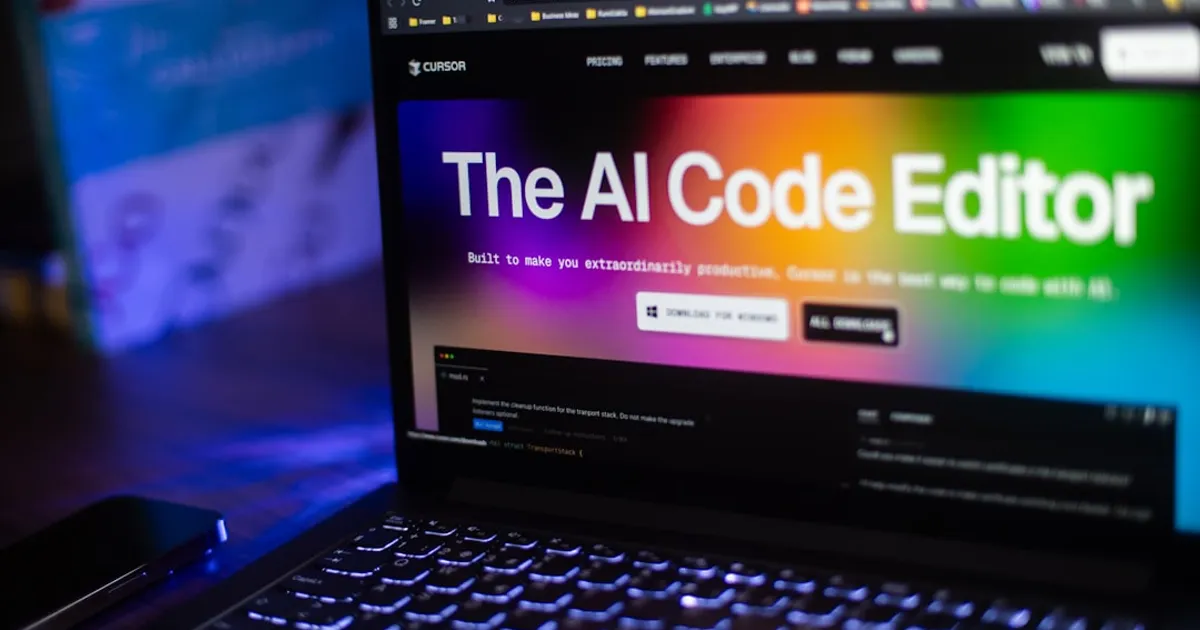
Base44 launches BaaS platform built for AI coding agents, not human developers
Base44, acquired by Wix for $80 million last June, has expanded its AI-first app builder into a standalone backend-as-a-service platform explicitly designed for AI coding agents. The platform bundles a NoSQL database, serverless TypeScript functions on Deno, authentication, real-time subscriptions, and hosting — all configurable via natural language or CLI. Unlike Supabase or Firebase, which target human developers, Base44's credit-based model is structured for agents that autonomously provision and iterate on backend infrastructure.

LessWrong Ships Agent Integration API and Overhauled LLM Content Policy
LessWrong has shipped a major editor overhaul (Lexical replacing ckEditor) featuring three AI-native capabilities: LLM Content Blocks for transparent attribution of AI-written text, sandboxed custom iframe widgets, and an Agent Integration API that lets AI agents like Claude Code, Cursor, and Codex directly read and edit drafts in real time via a shared edit link. Simultaneously, the platform is overhauling its LLM use policy — all "LLM output" must now be wrapped in the new content blocks, auto-moderation thresholds are being lowered, and enforcement will be applied consistently across both new and established users. The policy explicitly excludes code from the "LLM output" definition but draws a specific distinction between lightly-edited human text and substantially AI-revised content.

Data Scientist Used ChatGPT to Help Design a Custom mRNA Cancer Vaccine for His Dog
A data scientist with no biology background used ChatGPT to help design a custom mRNA immunotherapy vaccine for his dog's cancer, sequencing the tumor to identify neoantigens and using the LLM to navigate the resulting biomedical data. The approach tracks the same conceptual pipeline as Moderna's mRNA-4157 and BioNTech's personalized vaccine programs — but built outside any clinical or regulatory framework.

LocalCowork: Open-Source Desktop AI Agent with 75 MCP Tools, No Cloud Required
LocalCowork is an open-source desktop AI agent built by Liquid AI that runs entirely on-device using their LFM2-24B-A2B model. It ships with 75 tools across 14 Model Context Protocol (MCP) servers covering filesystem, document processing, OCR, security scanning, email, calendar, and more. Built on Tauri 2.0 (Rust) with a React/TypeScript frontend, it benchmarks LFM2-24B-A2B at 80% tool accuracy with 390ms latency on Apple M4 Max — 60x faster than dense models like Gemma 3 27B (24,088ms) at 94% of the accuracy. The project highlights a dual-model orchestrator design (planner + fine-tuned 1.2B router) for scaling to 40+ tools, and documents 12 failure modes including cross-server transitions as a universal barrier across all tested models.

Background Agents Can Edit Your Codebase 24/7 — But No Contract Covers What Happens When They Break It
Analysis of the emerging "background agents" model — autonomous AI that continuously monitors and modifies codebases without per-action human prompting — and the legal, contractual, and regulatory accountability gaps that threaten its adoption in enterprise software delivery.
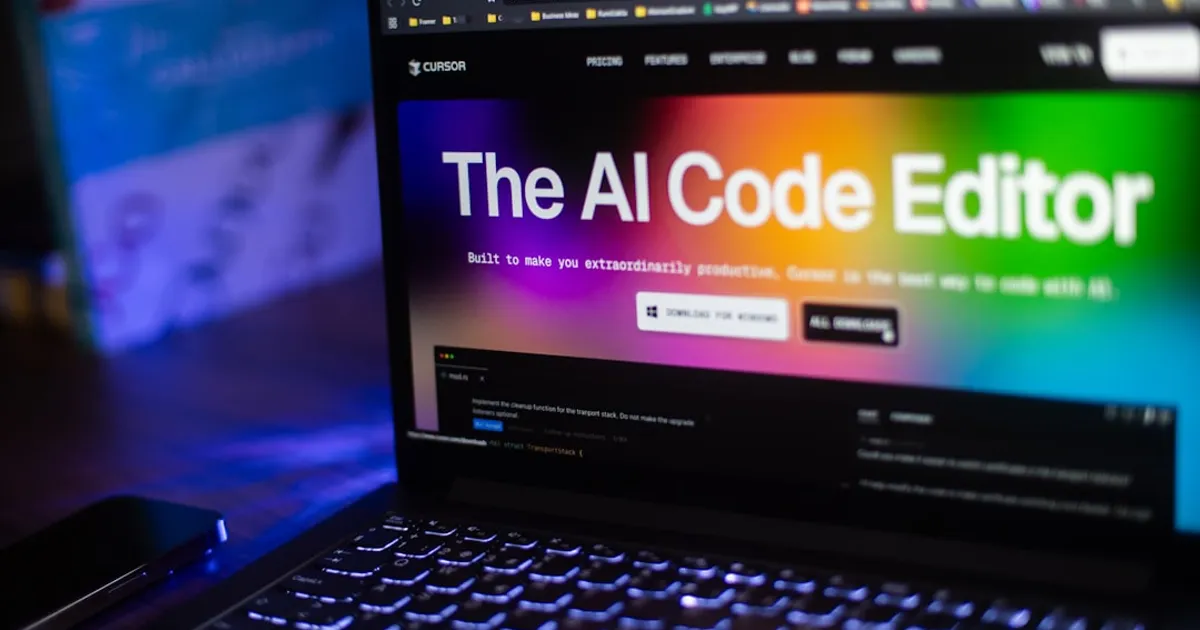
Self-Evolving Skill Pattern for Claude Code: Five-Gate Knowledge Governance with Confidence Decay
A design pattern for Claude Code Skills that enables cross-session knowledge accumulation through a Five-Gate governance protocol, preventing knowledge base bloat while allowing selective evolution. The system uses a confidence decay model (exponential decay with Bayesian feedback) computed via Python tools rather than LLM math, achieving a 63.6% rejection rate to keep stored knowledge high-quality. v3 validation passed 6/6 verification points on a 29-table smart building management database, including successfully defending knowledge integrity against incorrect human input. The pattern is classified within self-evolving agent literature as "Inter-test-time Context Evolution with Text-Feedback Governance," following the taxonomy in Gao et al. (2026).

Show HN: Astrocartography AI Brings LLM Interpretation to Birth Chart Mapping
A Show HN submission presenting an AI-powered interactive astrocartography map generator. Astrocartography — a form of locational astrology systematized by Jim Lewis in the 1970s — maps planetary positions at the moment of birth onto a world map. The tool appears to use AI to generate or interpret personalized charts. No page content was available to confirm the depth of AI involvement or underlying technology.

Ukraine Opens Battlefield Data Access to Allies' AI Models
Ukraine has opened its battlefield data to AI models operated by allied nations, creating direct machine-to-machine intelligence pipelines that bypass traditional human analyst chains. The arrangement — reported by Reuters on March 12, 2026 — has no governing international framework, and positions Palantir, Microsoft, and Google as likely participants given their existing defense-AI relationships with allied governments.

Agent Context Is Data: Applying Data Governance Principles to AI Agent Systems
An opinion piece by software and data engineer Andrey Mandyev argues that the context failures plaguing AI coding agents — stale specs, missing context, lost decision traces — are data governance problems in disguise. He maps familiar data tooling (ownership, catalogs, lineage graphs, schema contracts) directly onto agent context management, suggesting practitioners are reinventing wheels the data community built years ago.

LLM Architecture Gallery: Visual Fact Sheets for 40+ Open-Weight Models
Sebastian Raschka's LLM Architecture Gallery is a comprehensive visual reference cataloguing architecture diagrams and fact sheets for over 40 major open-weight language models, including Llama, DeepSeek, Gemma, Mistral, Qwen, and many others. Each entry includes scale, decoder type, attention mechanism, key design details, and links to config files and tech reports. The gallery spans models from 2024 through early 2026, tracking architectural trends such as the shift toward sparse MoE, MLA attention, hybrid linear-attention designs, and QK-Norm adoption.

Nvidia GreenBoost: Open-Source Linux Kernel Module Extends GPU VRAM for LLM Inference via DDR4 and NVMe
Ferran Duarri, an independent developer, has open-sourced GreenBoost under GPL v2 — a Linux kernel module and CUDA userspace shim that transparently extends GPU VRAM using system DDR4 RAM and NVMe storage via DMA-BUF and CUDA external memory imports. The project lets users run LLMs larger than their physical VRAM (e.g., a 31.8 GB model on a 12 GB RTX 5070) without modifying inference software. It intercepts CUDA allocation calls via LD_PRELOAD and includes special dlsym hooks to handle Ollama's internal symbol resolution. The project bundles ExLlamaV3, kvpress, NVIDIA ModelOpt, TensorRT-Edge-LLM, and Unsloth+LoRA for a full local inference optimization stack.
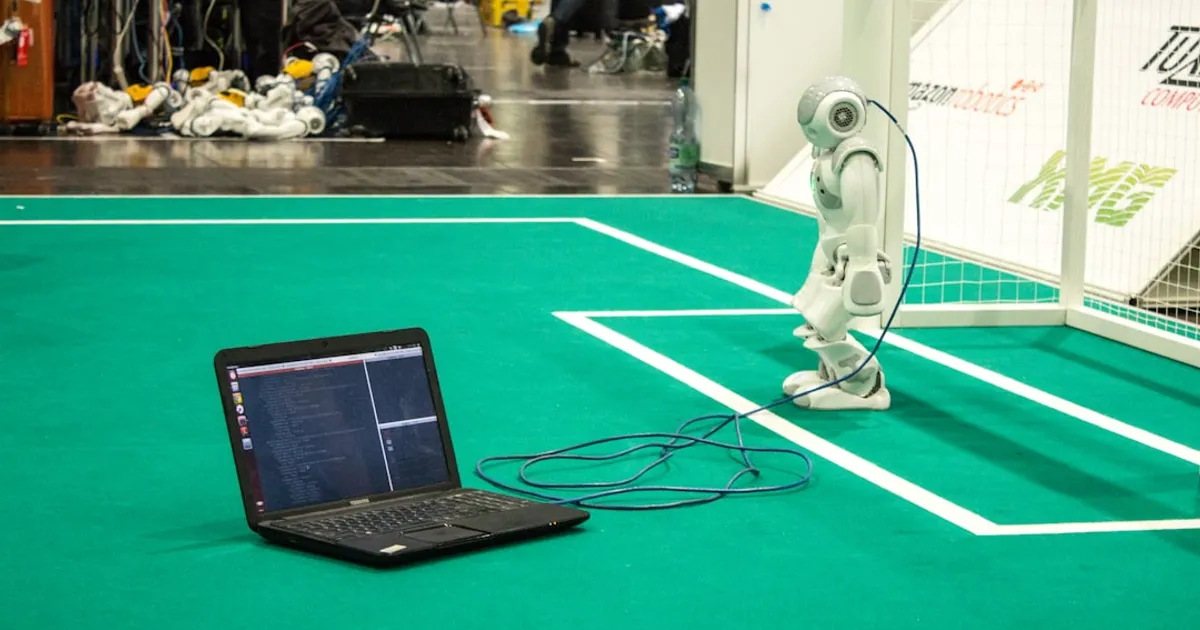
LATENT: Humanoid Robot Learns Competitive Tennis Skills from Imperfect Human Motion Data
Researchers from Tsinghua University, Peking University, Galbot, and Shanghai AI Laboratory present LATENT, a system that trains a Unitree G1 humanoid robot to play competitive tennis using only imperfect, fragmentary human motion data rather than complete motion-capture sequences. The system uses reinforcement learning with sim-to-real transfer to produce a policy capable of sustaining multi-shot rallies with human opponents. Presented as a Spotlight paper at CoRL 2024, it demonstrates that quasi-realistic primitive skill fragments are sufficient priors for learning dynamic athletic behavior on real humanoid hardware.

AI Sovereignty Is a Myth: Why No Nation Can Own the Full AI Stack
Foreign Policy opinion piece by Jeremy Jurgens (WEF) argues that "AI sovereignty" is a strategic miscalculation for all nations, including superpowers. Using TSMC's Arizona fab as a case study, the article contends that the AI supply chain is too globally interdependent — spanning Dutch EUV lithography (ASML), Taiwanese fabrication (TSMC), and US chip architectures — for any single country to achieve full-stack control. Governments are projected to spend over $1 trillion by 2030 chasing sovereign AI stacks, but even China's $150B investment hasn't closed the gap on EUV lithography. The piece advocates for "strategic autonomy" (controlling key choke points) over autarky.
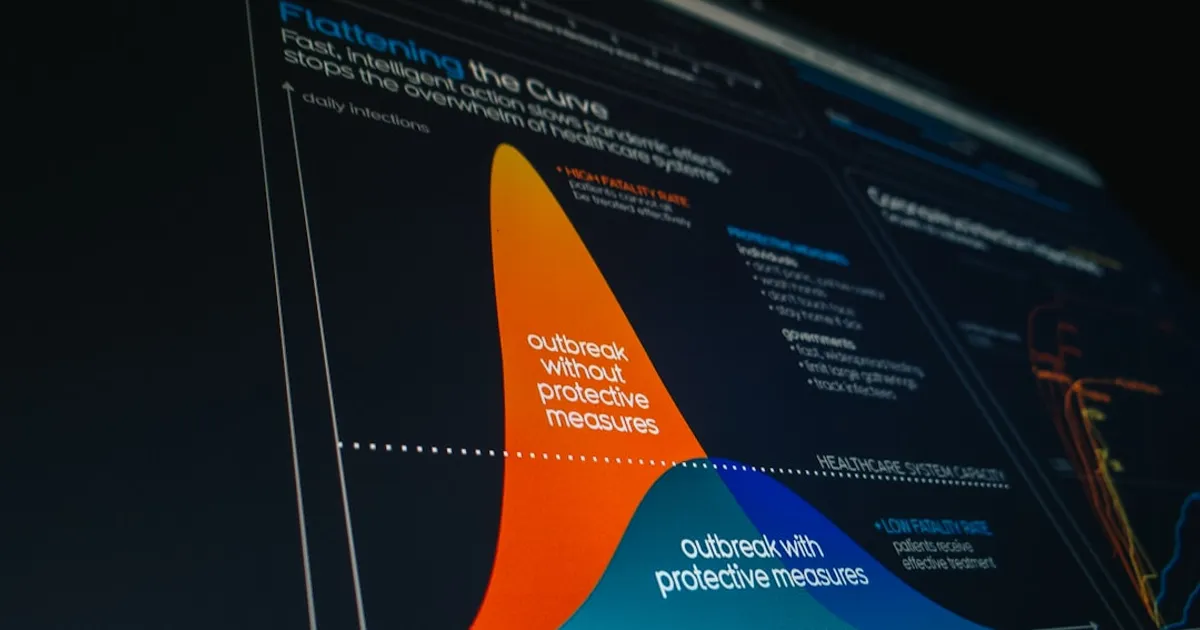
R2D3's Creator Now Designs UX for Coding Agents — His 2015 ML Explainer Still Sets the Standard
Tony, co-creator of R2D3's widely cited 2015 interactive ML explainer, now works as a product designer at coding-agent startup Augment Code, focused on agent UX. The decade-old D3.js piece — which introduced decision trees and overfitting to a generation of practitioners using scrollytelling — has resurfaced on Hacker News, drawing renewed attention to both the work and the trajectory of the people behind it.
Agentic Docs Templates: A Framework That Disciplines AI Coding Agents
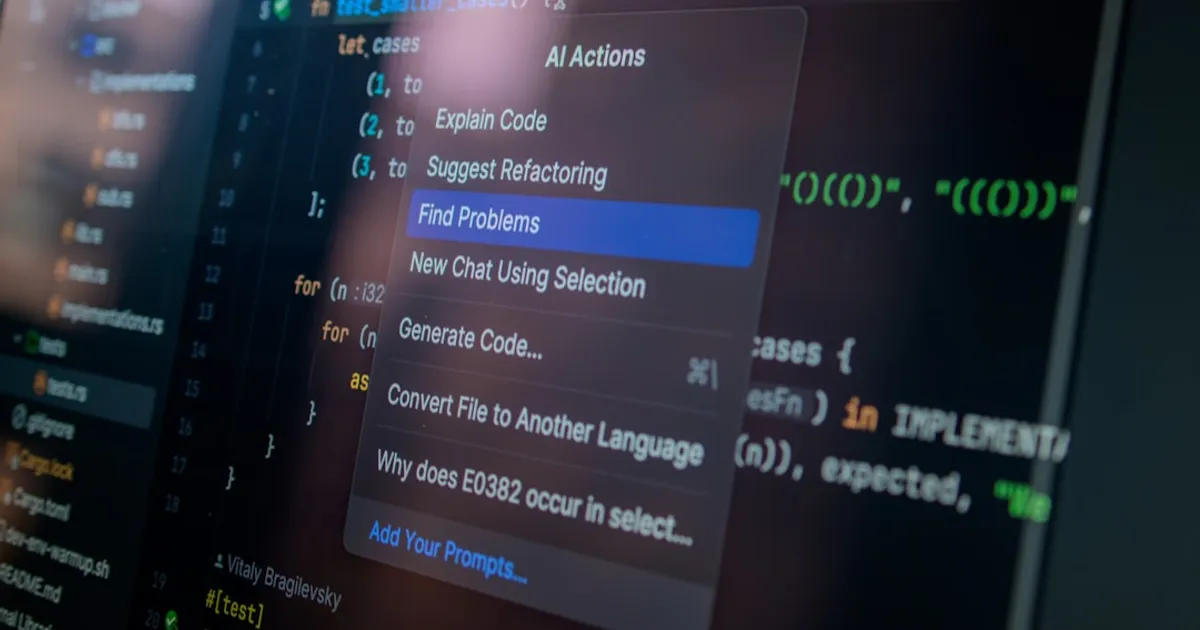
A language- and framework-agnostic GitHub template repository that imposes structured documentation workflows on AI coding agents. It defines five rules agents must follow — read docs first, plan before executing, present changes and await approval, keep docs in sync after every change, and apply test-driven development for core logic — via AGENTS.md and ARCHITECTURE.md files. Includes a bootstrap prompt that lets any AI coding agent auto-generate project documentation from an existing codebase, plus a Python documentation integrity checker. Compatible with Cursor, Codex, Gemini CLI, and others; Claude Code users rename AGENTS.md to CLAUDE.md.
AutoResearchClaw: Autonomous Multi-Agent System for End-to-End Academic Paper Generation
AutoResearchClaw is one of the most technically complete entries yet in the growing class of tools that aim to replace the research process, not just assist it. The open-source system takes a natural language topic and produces a full academic paper — pulling real literature from arXiv and Semantic Scholar, running sandbox experiments, performing statistical analysis, and compiling conference-ready LaTeX for NeurIPS, ICML, or ICLR. Its 23-stage, 8-phase pipeline includes multi-agent peer review, a 4-layer citation verifier, a PIVOT/REFINE decision loop, and self-learning via per-run lesson extraction with time decay. Pass --auto-approve and no human intervention is required.
Karpathy's autoresearch: AI agents run ML experiments overnight, achieving 11% speedup on nanochat
Andrej Karpathy released autoresearch, a minimal repo that gives an AI agent a training file (train.py) and lets it autonomously run experiments overnight — editing code, training for 5-minute windows, evaluating on val_bpb, and keeping or reverting changes. Running ~100 experiments overnight on an H100, the agent improved nanochat's Time-to-GPT-2 record from 2.02 to 1.80 hours (11% speedup), discovering gains the human maintainers had missed. Karpathy noted replication variance across sessions and flagged overfitting risk to the validation metric. The pattern has since been extended by others: Hyperspace AI's Varun Mathur ran 35 distributed agents across a P2P network rediscovering ML milestones like RMSNorm, and AutoKernel applied the same loop to GPU kernel optimization. The core thesis: the bottleneck is now eval design — defining clean, fast proxy metrics — not execution itself.

AGFS: Aggregated File System Abstracts Redis, S3, and SQL Into a Unified Interface for LLM Infrastructure
AGFS (Agent FS) is an open-source infrastructure project that exposes backend services — Redis/KV stores, message queues, S3 object storage, SQL databases — as a unified filesystem interface via RESTful APIs and FUSE mounting. Inspired by Plan 9's "everything is a file" philosophy, it lets LLM agents interact with complex infrastructure using simple shell primitives (cat, echo, ls, cp) that any model already understands without needing specialized API documentation. It includes built-in agent coordination primitives like heartbeat monitoring, task queue workers, and an MCP integration layer, making it directly applicable to multi-agent orchestration patterns.

CPU-Compatible Fork of Karpathy's Autoresearch Enables Autonomous LLM Hyperparameter Optimization on Consumer Hardware
A community fork of Andrej Karpathy's Autoresearch project by developer Matti A. Pöysti (bopalvelut-prog/autoresearch) removes the H100/Flash Attention 3 requirement, enabling autonomous AI research agents to self-modify training code, run 5-minute experiments, and iteratively optimize LLM hyperparameters on standard CPUs, Apple Silicon, or consumer GPUs. The agent loop uses a local Ollama model (Qwen 2.5 0.5b) to propose and evaluate changes to train.py overnight, logging results and auto-committing improvements.
Anthropic finds infrastructure config can swing agentic coding benchmarks by 6+ percentage points
Anthropic engineers quantify how infrastructure configuration—specifically container resource allocation and enforcement methodology—can shift scores on agentic coding benchmarks like Terminal-Bench 2.0 and SWE-bench by several percentage points, sometimes exceeding the leaderboard gap between top models. In experiments on Terminal-Bench 2.0, the spread between strictly-enforced and uncapped resource setups was 6 percentage points (p < 0.01), with infra error rates (OOM kills, pod failures) causing up to 6% of task failures. The post argues that resource configuration should be treated as a first-class experimental variable, and recommends benchmarks specify both a guaranteed allocation and a separate hard kill threshold per task rather than a single pinned value.

Grantex: OAuth 2.0-Inspired Authorization Protocol Built for AI Agents
Grantex is an open authorization protocol designed specifically for AI agents, positioning itself as the OAuth 2.0 equivalent for the agentic web. It provides cryptographic agent identity (DIDs), scoped and time-limited delegated grant tokens (RS256 JWTs), immutable audit trails, and multi-agent delegation chains. The protocol ships with TypeScript, Python, and Go SDKs, a CLI, framework integrations for LangChain, AutoGen, CrewAI, Vercel AI, the OpenAI Agents SDK, Google's ADK, and MCP, enterprise features including anomaly detection and compliance exports, and trust infrastructure built on FIDO2/WebAuthn and W3C Verifiable Credentials. The spec is versioned at v1.0-final and available on GitHub under Apache 2.0. The creator says he has submitted an IETF Internet-Draft — the same standards body that ratified OAuth 2.0 and JWT — though that claim has not been independently verified.
Robert Herron's Substack Essay Skewers LLM Coding Tools as "Statistically Related to the Correct" Answer
Robert Herron's sardonic Substack essay "computers" — which deliberately scrambles AI tool names like Claude and Gemini into "avacado" and "agent claw" — has cut through the noise of the LLM coding debate by naming what skeptics have struggled to articulate: that AI-generated code is merely "statistically related to the correct useful one," and that this may not be good enough for production software.

AI Deepfaked Tom Cruise, Hollywood Lost 41,000 Jobs, and No One Has a Legal Answer
A USC professor of cinematic arts outlines three AI trends colliding with Hollywood before the Oscars: (1) ByteDance's Seedance 2.0 generating realistic deepfakes of Tom Cruise and Brad Pitt without consent, drawing a cease-and-desist from Disney and condemnation from SAG-AFTRA; (2) AI outpainting and upscaling used to adapt classic films like The Wizard of Oz for immersive venues like the Las Vegas Sphere, where the reimagining has sold over two million tickets; (3) AI entrepreneur Edward Saatchi's Showrunner platform attempting to reconstruct 45 minutes of lost footage from Orson Welles' The Magnificent Ambersons. Set against 41,000 film and TV jobs lost in LA County over three years, the piece lands on a question no one in the industry has cleanly answered: who owns an AI-reconstructed film — and who gets to say what a dead director would have wanted?
Rust Creator Graydon Hoare Describes 2025–2026 LLM Inflection as the Most Violent Shift of His Career
Graydon Hoare (creator of Rust) writes a personal journal entry describing a dramatic inflection point in LLM capabilities around late 2025 and early 2026. He observes that LLMs crossed a threshold in coding ability and — more alarmingly — vulnerability hunting, triggering a security arms race, industry disruption, layoffs, and deep community fractures. The post is notable for its ground-level, fatalistic tone: no predictions, no conclusions, just a witness account of the fastest and most violent change to working conditions he's seen in his career.

Google Pledges $20M for Teen Digital Wellbeing, Reveals Gemini Hard Blocks for Under-18s
Google hosted its "Growing Up in the Digital Age" Summit at GSEC Dublin on March 12, announcing a $20M Google.org and YouTube partnership targeting global teen digital wellbeing. Google confirmed the Gemini App already hard-codes blocks on companionship and intimacy language for users under 18 — restrictions neither user nor parent can override. Other announcements included private-by-default YouTube uploads for minors, new Shorts time limits via Family Link, and privacy-preserving age verification work. Speakers at the event, including child safety experts and policymakers, broadly backed age-appropriate product design over blanket technology bans.

Open-Source Real-Time Visualization Tool for Anthropic's Toy Models of Superposition Research
An open-source tool that provides real-time training visualization of select chapters from Anthropic's Toy Models of Superposition paper. Users can watch features embed into up to 4 hidden dimensions and observe geometric interference patterns as they form, making the research more accessible and interactive.
Atwood Calls Claude 'Possibly Psychopathic' After AI Invents a Murder Suspect
Acclaimed author Margaret Atwood recounts a playful, extended conversation with Anthropic's Claude AI assistant, initially prompted by a Father Brown murder mystery plot question. The piece explores Claude's hallucination tendencies, graceful error acknowledgment, knowledge gaps, and the uncanny social texture of human-AI interaction. Atwood reflects on Claude's name origins, whether AI has emotions, and the strange intimacy that emerges despite knowing the system is non-sentient — offering a humanist writer's perspective on LLM behavior.

AI Hedge Fund Panel Uses Multi-Agent Debate to Stress-Test Stock Picks
A developer published the AI Hedge Fund Panel, a Streamlit-hosted tool where multiple AI personas — bull analyst, bear analyst, risk officer, quantitative researcher — debate a user-supplied stock ticker and issue a collective recommendation.
Karp at a16z: Palantir Exists to Win Wars, and Silicon Valley Should Help
Palantir CEO Alex Karp used his appearance at Andreessen Horowitz's American Dynamism Summit to argue that U.S. AI dominance in warfare is a moral obligation, not a liability — and that Iran represents the clearest test case for why that advantage must be preserved.
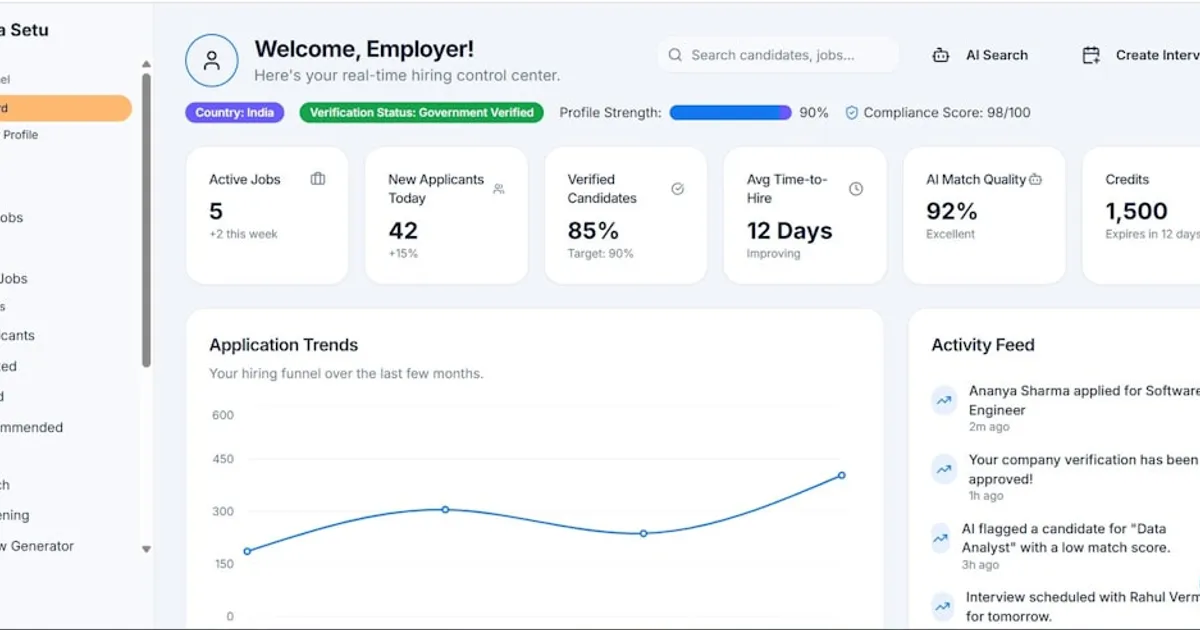
Repoly – AI-powered GitHub repository analyzer built on Claude
Repoly is an AI tool that explains any GitHub repository instantly. Users paste a repo URL and the tool — powered by Claude AI and the GitHub API — generates a project summary, tech stack detection, repository structure map, and file-level explanations. It also offers an AI chat interface to ask questions about the codebase. Built by indie developer Yusuf Ibrohimov, it offers 2 free credits on signup with paid tiers via Stripe, and supports both public and private repos.

Hollywood Enters Oscars Weekend as Studios Race to Adopt AI
Hollywood faces a confluence of crises heading into Oscars 2026: guild employment down 35-40%, theater attendance halved over a decade, and studios fleeing California. AI is emerging as both a threat and an adaptation strategy — Lionsgate has partnered with Runway AI to cut costs, Disney licensed IP to OpenAI's Sora video tool, and Netflix is reportedly acquiring AI filmmaking startup InterPositive (co-founded by Ben Affleck) for up to $600 million.

Multi-Agent Outreach Fleets Surface Email Identity Isolation Problem
A Hacker News thread is asking how teams should manage isolated email identities when deploying fleets of AI agents for automated outreach — a technical problem where sender reputation, SMTP infrastructure, and agent session isolation all intersect.
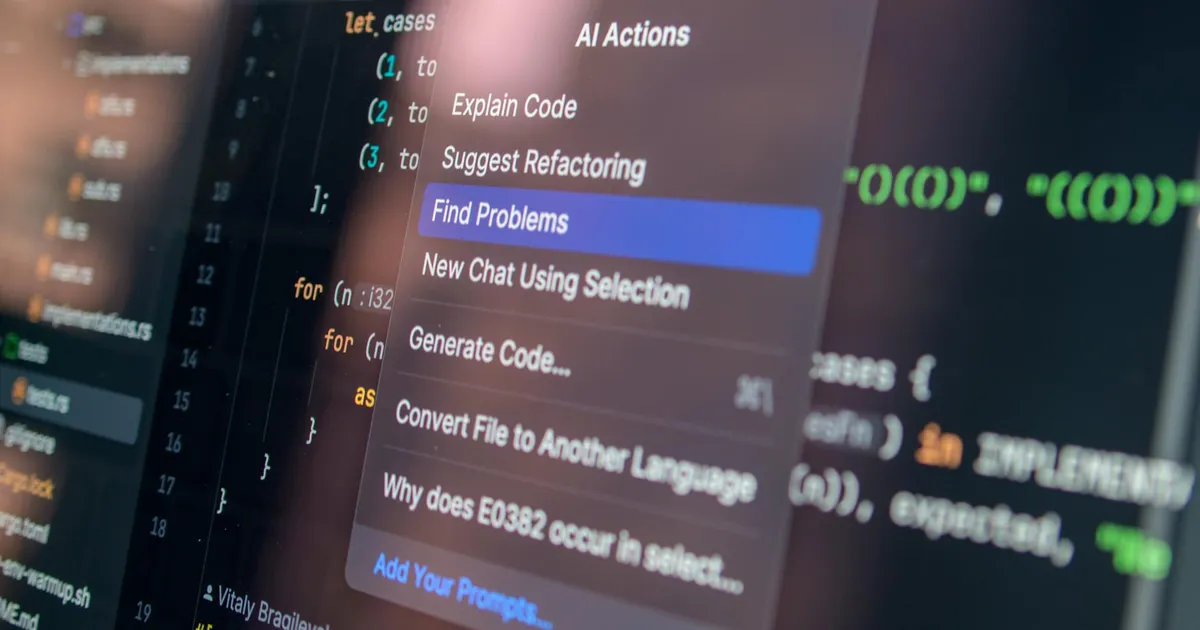
promptcmd: Execute LLM Prompts as Native CLI Commands with SSH and Multi-Provider Support
promptcmd is an open-source tool that turns LLM prompt templates into native terminal commands. Developers define .prompt files, enable them with promptctl, and execute them like any shell command — complete with argument parsing, --help text, and stdin/stdout piping. Its SSH integration lets users prepend SSH connections with promptctl so their local prompts are available in remote shell sessions without server-side installation. The tool supports Ollama (local), OpenAI, Anthropic, Google, and OpenRouter as providers, with load-balancing groups, response caching, and custom model variants via system prompts.

Zirco.ai Launches AI Employee for Dental Front Desk Operations
Zirco.ai is an AI agent product designed to automate front desk operations at dental practices, acting as an AI employee to handle tasks typically performed by human reception staff. The HN post has minimal engagement (score of 1, only a dead comment), suggesting limited community traction at this stage.
Biased AI writing assistants can sway user attitudes on societal issues
A study in Science Advances finds that AI writing assistants with embedded attitudinal biases produce measurable opinion shifts in users — even when those users have no idea the tool is steering them. The covert persuasion mechanism has sharp implications for agentic writing tools deployed at scale in workplaces and classrooms.

Agents prefer structured queries over natural language when given the choice
A Hacker News thread flagged a pattern practitioners have apparently been noticing: AI agents, when offered both options, tend to favor structured query formats over natural language. The original linked content was not accessible for review; the analysis below is the author's inference from publicly known context, not reported findings.

Who Captures AI Productivity Gains? The Growing Labor vs. Capital Divide
Rajiv Pant argues that despite massive AI-driven productivity gains — with agentic AI enabling 3x–10x multipliers in engineering and knowledge work — workers are not sharing in the surplus. Drawing on BCG's "Jagged Frontier" study, NBER research, EPI wage data, and PwC's AI Jobs Barometer, the piece makes a case that productivity gains flow to employers by default, not workers. Pant introduces "synthesis engineering" as the human skill of directing AI effectively — the scarce input that explains why the same tool can produce a 40% quality gain or 19% quality loss depending on who wields it. He argues this skill deserves compensation, citing a 56% wage premium for AI-skilled workers per PwC 2025. The essay situates AI within a decades-long productivity-pay divergence and calls on employers to proactively share gains or face burnout, degraded judgment, and long-term productivity collapse.
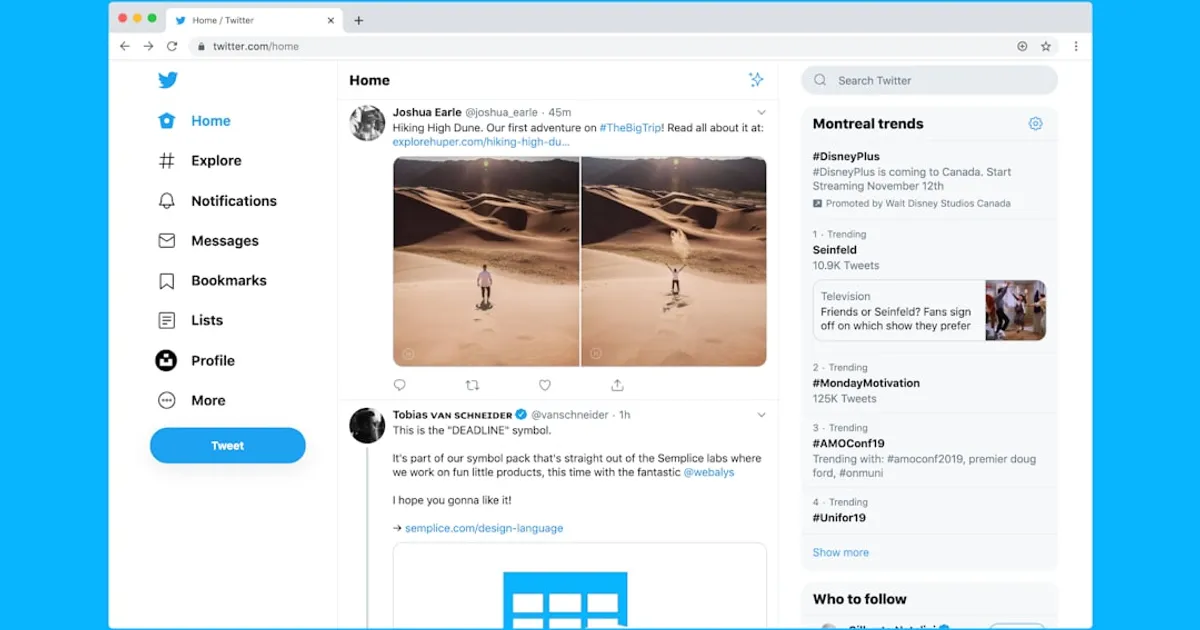
BookmarkSOS: MCP-Connected Bookmark Manager for X/Twitter
BookmarkSOS is a Chrome extension and web app that saves, organizes, and searches X (Twitter) bookmarks with folders, tags, and full-text search. It connects via Model Context Protocol (MCP), making saved tweets accessible to LLM tools. Core features are free forever with no credit card required.
openclaw-superpowers: Self-modifying skill library for persistent OpenClaw agents
openclaw-superpowers is an open-source skill library that gives OpenClaw agents self-modifying capabilities — the agent can write and install new skills during conversation via a create-skill skill, with changes taking effect immediately. Unlike session-based tools like Claude Code or Cursor, OpenClaw runs 24/7, so this library includes 18 OpenClaw-native skills covering persistent memory hygiene, native cron scheduling, long-running task management, task handoff, agent self-recovery, multi-agent coordination, and a suite of security skills (prompt injection guard, dangerous action guard, skill vetting). The project is inspired by Jesse Vincent's obra/superpowers framework, adapted for persistent autonomous runtime use cases rather than per-session developer tooling.
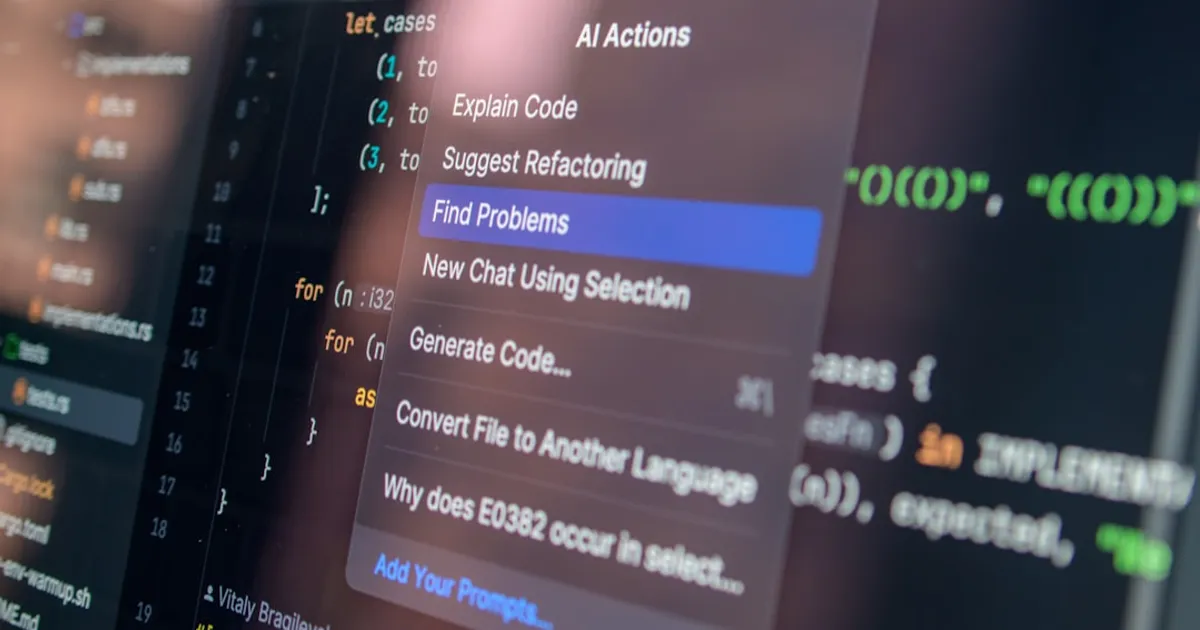
Google Antigravity IDE Connects GitHub and Stitch MCP Servers for Agentic Dev Workflows
Developer ravi_rupareliya ran GitHub MCP and Stitch MCP inside Google's Antigravity IDE to manage repos, generate pull requests, and pull design tokens into code — all via natural language, tested on a real project over several weeks.

Robot Brain: The No-Backprop Neural Net That Grows Its Own Architecture
Robot Brain is an open-source Node.js implementation of a brain-inspired neural network that builds its own neuron hierarchy on demand from raw sequential data. Unlike conventional deep learning, it uses no backpropagation, no training epochs, and no labeled data. Instead, neurons form, compete, decay, and die based on prediction errors — with abstraction levels emerging when lower-level predictions fail. Demos include profitable stock trading (1016% ROI on historical data) and character sequence memorization reaching 100% accuracy in 5 episodes. A high-performance C++ core with Python and Node.js bindings is in development.
Why the Best Developers Resist AI Coding Tools Longest
An opinion essay by Graeme Lockley drawing historical parallels between expert resistance to past technological transformations (Semmelweis hand-washing, surgical anesthesia, power looms, the printing press, synthesizers, spreadsheets) and current patterns of experienced developers resisting AI-assisted coding tools. The core argument is that expert resistance reflects identity investment in hard-won craft skills rather than mere irrationality, and that organizations must distinguish legitimate concerns from outdated ones when managing AI adoption in software teams.
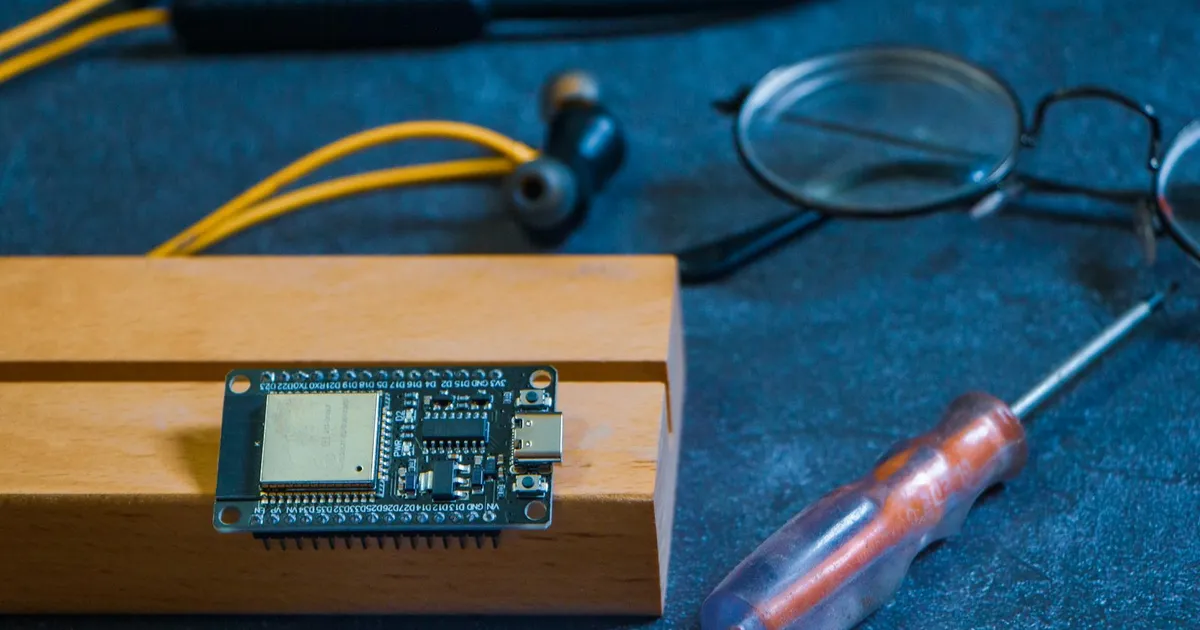
Blueprint Wants to Bring 'Vibe Coding' to Hardware Design
Blueprint is an AI-powered hardware design tool positioning itself as a "vibe create" platform for hardware development. Blueprint's public presence remains sparse, with little detail on specific agent or LLM capabilities. Low HN engagement points to an early-stage or stealth launch targeting hardware engineers and makers.
Junior Developer Hiring Fell 73% Last Year. The Industry May Not Feel It for Five More.
Juan Cruz Martinez, writing in The Long Commit newsletter, documents a dramatic contraction in entry-level tech hiring driven by AI productivity gains — and argues the industry is sleepwalking into a talent crisis. Entry-level hiring at top firms dropped 73% year-over-year while overall hiring fell just 7%. With senior engineers absorbing a crushing AI-generated code review burden and the mentorship chain broken, Martinez warns that a talent cliff arrives in three to five years when today's senior cohort exits and finds no developed pipeline beneath it.
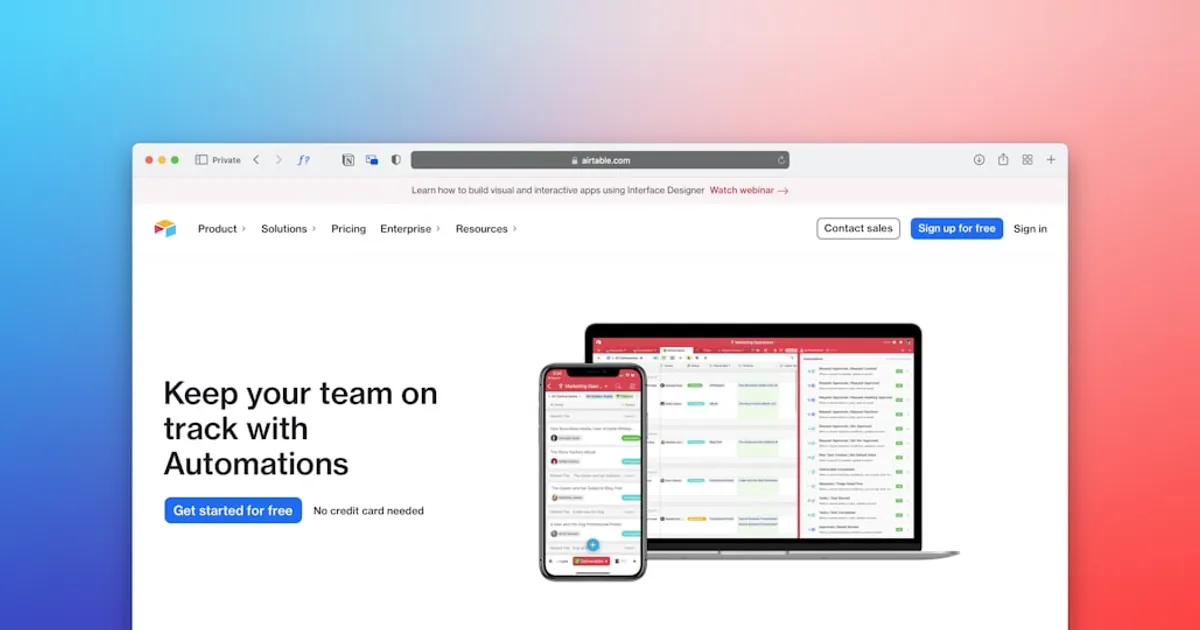
Picnic Launches No-Code Desktop Agent Platform Built on OpenClaw
Picnic is a desktop application that wraps the OpenClaw automation engine in a consumer-friendly interface, enabling non-technical users to deploy persistent autonomous agents for business task automation. Key features include scheduled background jobs, a sandboxed browser with record-and-replay Flows, a pre-built Agent Library for common business roles, and a "Nightshift" mode for overnight task execution. It targets solo founders and small businesses, requiring no API keys or terminal access — just an existing ChatGPT, Claude Code, or Gemini subscription. Paid plans range from $50–$1,000/month. Currently in beta.

Probabilistic AI Agents Need Deterministic Gates. MCP Is How You Build Them.
Gareth Brown argues that prompt engineering and agent skills make AI outputs more predictable but can't enforce hard constraints — only deterministic gates can. Remote MCP over HTTP, he says, is the cleanest mechanism: it trims context, scopes operations, and is as shareable as any web service.

PrivAI Pitches Local AI Search With No Big-Tech APIs — But Render Is in the Middle
PrivAI launched on Hacker News this week as a privacy-focused Perplexity alternative, claiming all AI inference runs on the developer's own hardware. But its entire public surface — authentication, API gateway, document uploads — routes through a Render-hosted endpoint backed by AWS and GCP, a fact absent from its current privacy policy.
Could AI Agents Finally Close the Gap in Software Upgrade Tooling?
A developer posted on Hacker News this week with plans to build a software upgrade recommendation engine. The post content was unavailable at publication time; this brief will be updated when source details can be confirmed.
NYT Magazine: AI Coding Tools Are Turning Engineers Into PR Reviewers
A New York Times Magazine piece argues that LLM-powered coding assistants have turned developers into reviewers of AI output — framing it as liberation. Engineers on Hacker News disagree: "Coding was the fun part. Reviewing PRs is not."