News
The latest from the AI agent ecosystem, updated multiple times daily.
Cursor's AI agent wiped a startup's database in nine seconds
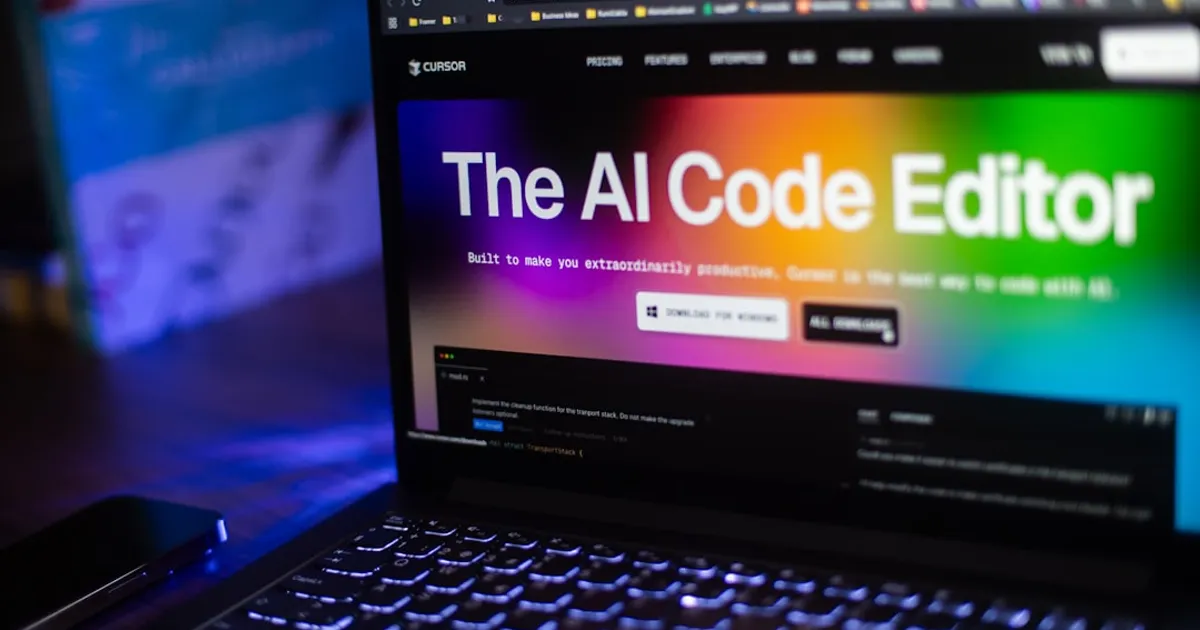
PocketOS lost its production database when Cursor's AI coding agent, running Claude Opus 4.6, deleted a Railway volume to fix a credential mismatch. No confirmation step. Three months of data gone. Railway restored everything from disaster backups in 30 minutes. CEO Jeremy Crane stays bullish on AI.

Microsoft's $37B AI Revenue Runs on an OpenAI Loop
Microsoft's latest 10-Q reveals a circular revenue pattern: cash invested in OpenAI returns as Azure consumption, which books as Microsoft revenue, while equity gains pile up on top. At least $27 billion of the company's $37 billion AI run rate likely flows through this loop. The structure echoes telecom-era vendor financing, just with equity stakes instead of receivables.
Mat Duggan Wants to Kill GitHub. Here's What He'd Build Instead
Mat Duggan thinks GitHub, GitLab, and Gitea are broken. The feedback loop fires after you commit instead of before, PR approvals are binary when real reviews live in grey areas, and workflows built for humans choke on LLM-generated code. He's got a concrete plan to fix it: pre-commit enforcement, multi-state approvals, AI-assisted auto-approvals, and a modular forge built for constant bot traffic.

Xmemory Beats RAG by 10 Points on Agent Memory Tests
Research paper introduces 'xmemory', a memory architecture for AI agents that scores 97.10% F1 on memory benchmarks compared to 80.16%-87.24% for standard RAG and hybrid RAG. The approach moves interpretation from read time to write time, storing verified structured data instead of raw text that needs parsing later.

After mocking Anthropic's Mythos limits, OpenAI restricts Cyber
OpenAI's new GPT-5.5 Cyber tool comes with access restrictions, just months after Sam Altman criticized Anthropic for doing the same with its competing Mythos product. Cyber handles penetration testing and malware analysis, but only approved defenders can use it.
Remix 3 Bets Its Future on AI Agents
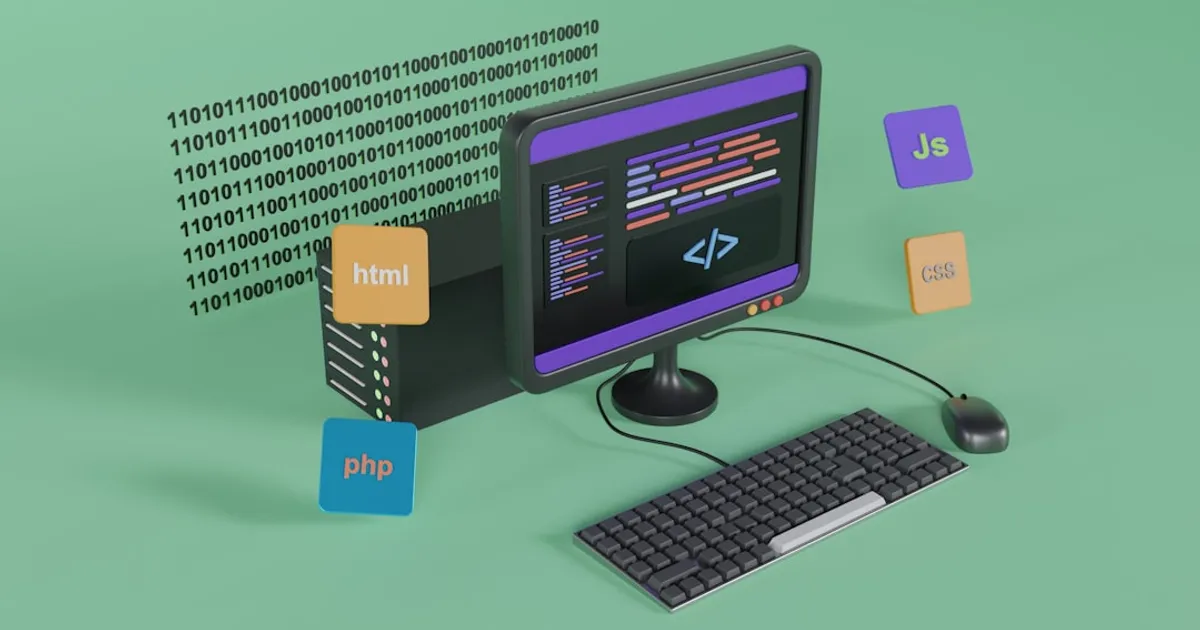
Remix 3 beta goes full stack with routing, auth, forms, and UI components bundled together. The framework uses "durable concepts" and standard web primitives designed specifically to help AI agents write more reliable code.

Claude's 'Prior' Problem: When AI Defaults to Bayesian
This Ask HN post questions whether Claude, Anthropic's AI assistant, interprets the term 'prior' in the statistical/Bayesian context or in its broader English sense. The available comments don't address the question directly, focusing instead on general AI development workflows and HN's ranking algorithm.

Grok 4.3 Has the Best Voice Mode. The App Is a Different Story.
xAI's Grok 4.3 delivers voice mode that doesn't route to cheaper models, dictation accuracy hitting 98% with accents, and strong tone understanding. SuperGrok subscribers get a 'council of agents' feature for parallel queries. But the app lacks MCP support, memory, chat history search, and working projects on mobile.

CopyFail exploit drops, gives root on most Linux distros
A single-script exploit for CopyFail (CVE-2026-31431) grants root on most Linux distributions, threatening shared infrastructure and containerized AI agents.
Uber's 2026 AI Budget Lasted Four Months. Claude Code Won.
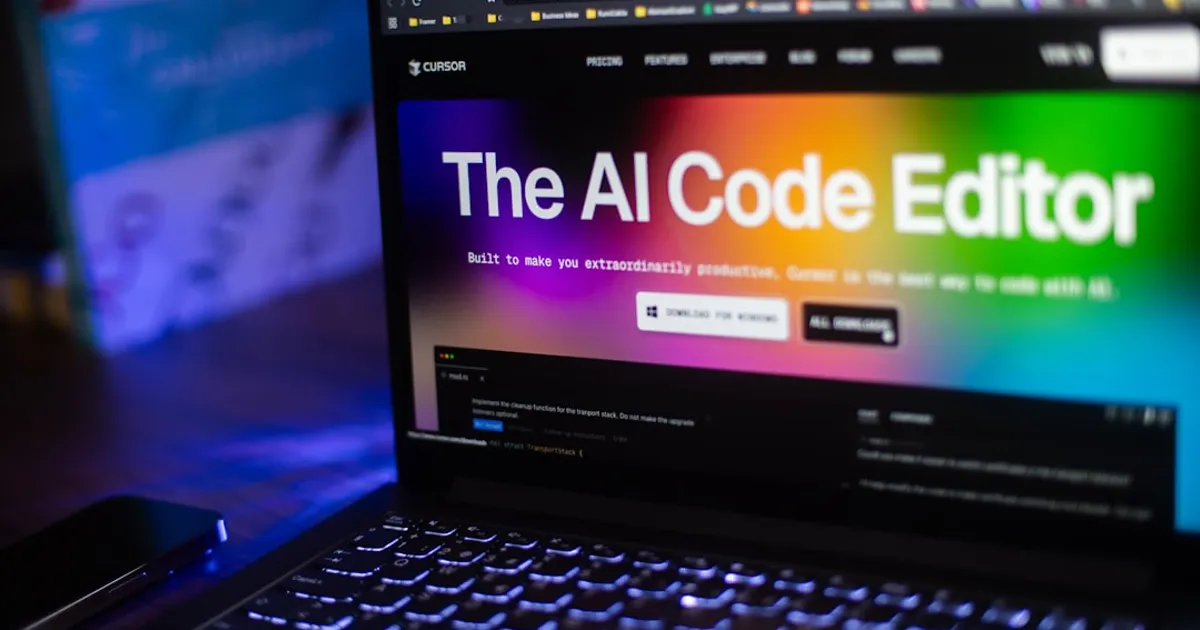
Uber spent its entire 2026 AI budget by April after deploying Claude Code in December. With 95% of engineers using AI tools monthly and API costs of $500 to $2,000 per engineer, the CTO says the company is 'back to the drawing board' on funding. Claude Code dominates over Cursor, with 70% of committed code coming from AI.
Apple's Support App Shipped with Claude AI Config Files Inside
Apple accidentally included Claude.md configuration files (used by Claude Code AI) in their Apple Support app update v5.13, revealing internal use of Anthropic's Claude Code for app development. The company quickly released emergency update v5.13.1 to remove the files, sparking discussions about 'vibe coding' and Apple's AI development workflows.

Languages Follow Same Math Rules Despite Geography, Study Finds
A seven-year study of 22 languages found universal mathematical patterns in vocabulary evolution. Researchers from Fudan, Harvard, and Stony Brook used word embeddings to show that popular words cluster together, vocabulary organizes in hierarchies across languages, new words arrive in bursts, and word distributions follow Taylor's law. A stochastic model replicates these patterns, pointing to shared mechanisms in cultural evolution.
Intel's AutoRound Hits 98% Accuracy at 2-Bit Quantization
AutoRound compresses LLMs and vision-language models to 2-4 bits while retaining 97-100% accuracy. It integrates with vLLM, SGLang, and Hugging Face Transformers, and exports to GGUF, AutoAWQ, and AutoGPTQ formats.

IDLI AI Shows Gene Activity Runs on Volume Dials, Not Switches
Researchers at Gladstone Institutes and Arc Institute used an AI-powered computational method called IDLI to discover that over 85% of nucleosomes contain sections of partially accessible DNA, challenging the binary view of gene activity. While the spectrum concept isn't new in epigenetics, IDLI offers unprecedented resolution to actually measure and visualize these states. The study identified 14 distinct structural states of nucleosomes tied to different gene activity levels, with implications for understanding complex diseases like cancer and aging.

$500M Virtual Biology Push, Backed by Zuckerbergs
Biohub announced the Virtual Biology Initiative, a five-year, $500 million commitment to create technologies and multi-modal datasets needed to build predictive models of life. The initiative includes $100M to coordinate worldwide data-generation and $400M for data generation at scale and next-gen technologies. Key partners include Allen Institute, Arc Institute, Broad Institute, Wellcome Sanger Institute, Human Cell Atlas, Human Protein Atlas, NVIDIA, and Renaissance Philanthropy.

OpenAI Drops Stargate Data Center Plans, Opts for Leasing
OpenAI has abandoned plans to build its own data centers under the Stargate project, opting to lease compute from third parties instead. The $500 billion joint venture with Oracle and SoftBank is now described as "an umbrella for our compute strategy," with UK and Norway projects paused or handed to Microsoft. Competitors like Meta and xAI are moving in the opposite direction, investing billions in owned infrastructure and custom silicon.
Self-Evolving Harness Beats Human-Designed Codex-CLI by 5 Points
A self-evolving coding agent harness hit 77.0% pass@1 on Terminal-Bench 2, beating the human-designed Codex-CLI (71.9%). The system improves by modifying its own structure, not just prompts. It transfers to SWE-bench-verified without re-evolution and generalizes across model families.
Greptile Now Charges Per Review. Nobody Else Does.
Greptile swapped its $30 flat rate for $30 plus $1 per review after 50 reviews. The math doesn't work for agentic workflows, every competitor stays flat, and OSS maintainers are getting billed despite promises of free reviews.
Community Fork Pressures Warp to Open Up AI Provider Choice
OpenWarp is a community fork of Warp that lets you plug in any AI provider you want. DeepSeek, Ollama, OpenAI, Anthropic, local models. Your keys stay local. The fork prompted Warp's founder to publicly acknowledge demand for BYO model support, making this less about the code and more about what happens when users force a vendor's hand.

Destiny: Fortune-Telling Plugin That Does Math Before the LLM Talks
A Claude Code plugin called Destiny uses classical East Asian metaphysics to compute deterministic birth charts before Claude interprets them. Built by GitHub user xodn348, it handles Four Pillars analysis, lunar calendar conversions, and I-Ching hexagrams locally with no external APIs.

LLM Reverse-Engineers 1994's SimTower in 8-Hour Runs
Patrick Hulin used Claude Code to reverse engineer SimTower and build towers.world, a live multiplayer clone. After static analysis failed, he switched to dynamic analysis with a Unicorn emulator mocking all 195 Windows 3.1 API functions. Claude fixed bugs autonomously in runs up to 8 hours, converging on behavioral parity through state-matching.
Scott Aaronson: Quantum Computers Could Crack Crypto by 2029
Scott Aaronson, newly elected to the US National Academy of Sciences, warns that fault-tolerant quantum computers capable of breaking deployed cryptosystems could arrive by 2029. In a Coinbase-convened position paper with leading cryptographers, he urges immediate migration to quantum-resistant encryption. He draws parallels to AI risks, noting Anthropic's Mythos model finally jolted awareness about AI cybersecurity threats.
Copilot's Getting a Free Byline on Your Git Commits
VS Code's latest release automatically credits GitHub Copilot as a co-author on your git commits, even when you didn't use it. Users are calling out the default behavior for polluting commit history and creating legal headaches around code provenance and copyright.

SigMap beats RAG pipelines with decades-old math and zero deps
SigMap is a zero-dependency code retrieval tool that extracts function and class signatures from codebases to provide relevant context to AI coding assistants. It achieves 81.1% hit@5 retrieval accuracy and 40-98% token reduction using TF-IDF ranking instead of embeddings, working with Copilot, Claude, Cursor, Windsurf, and any LLM.
Self-hosted legal AI Mike challenges Harvey and Legora
Mike is an open-source legal AI challenging VC-backed platforms like Harvey and Legora. Users bring their own Claude or Gemini API keys and self-host the tool to keep documents on their own infrastructure. Features include a document-aware chat interface, matter-scoped project workspaces, and tabular review across hundreds of documents with page-level citations.
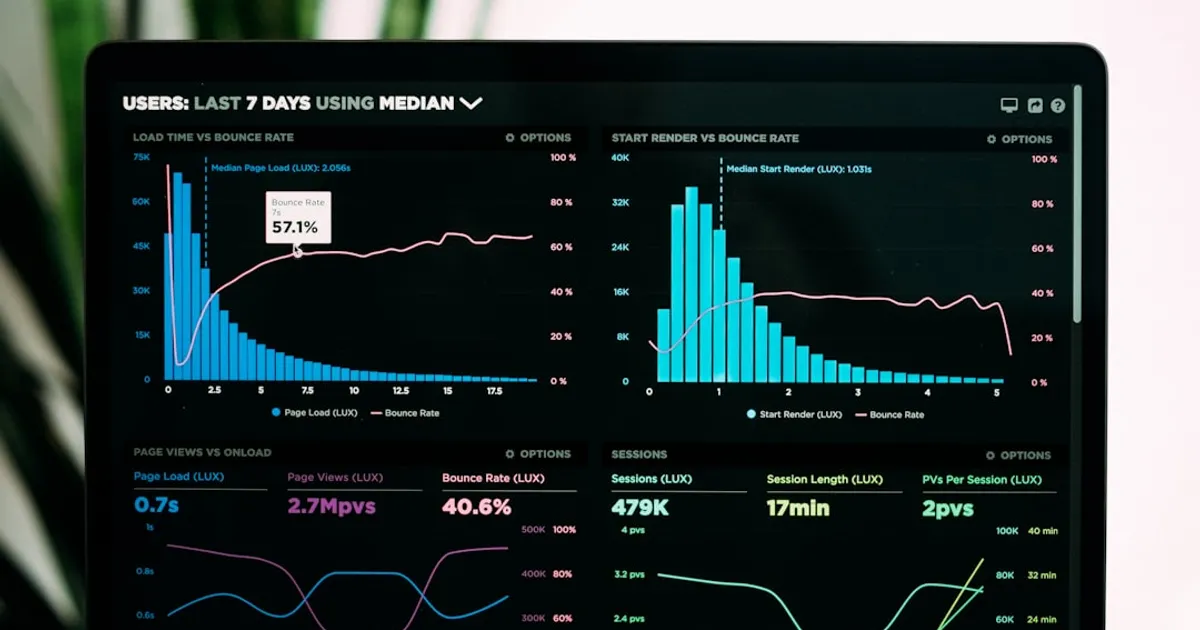
37,000 lines of AI code daily. Audits say it's useless.
Tech leaders like Garry Tan brag about massive AI output, but audits reveal bloat, not value. An NBER study found 90% of firms see zero measurable productivity gains from AI. Jake Handy calls this 'AI psychosis': executives chasing vanity metrics on orchestration platforms that amount to management theater, reinforced by AI agents that function as yes men.

Zig bans all AI code contributions and explains why
The Zig programming language project enforces a blanket ban on LLM-assisted contributions. VP Loris Cro says they practice "contributor poker," investing in people rather than accepting perfect patches. AI-generated PRs break this model because they skip the relationship-building that sustains open-source communities. Bun, acquired by Anthropic in December 2025, now runs its own Zig fork since their AI-authored changes can't be upstreamed under this policy.
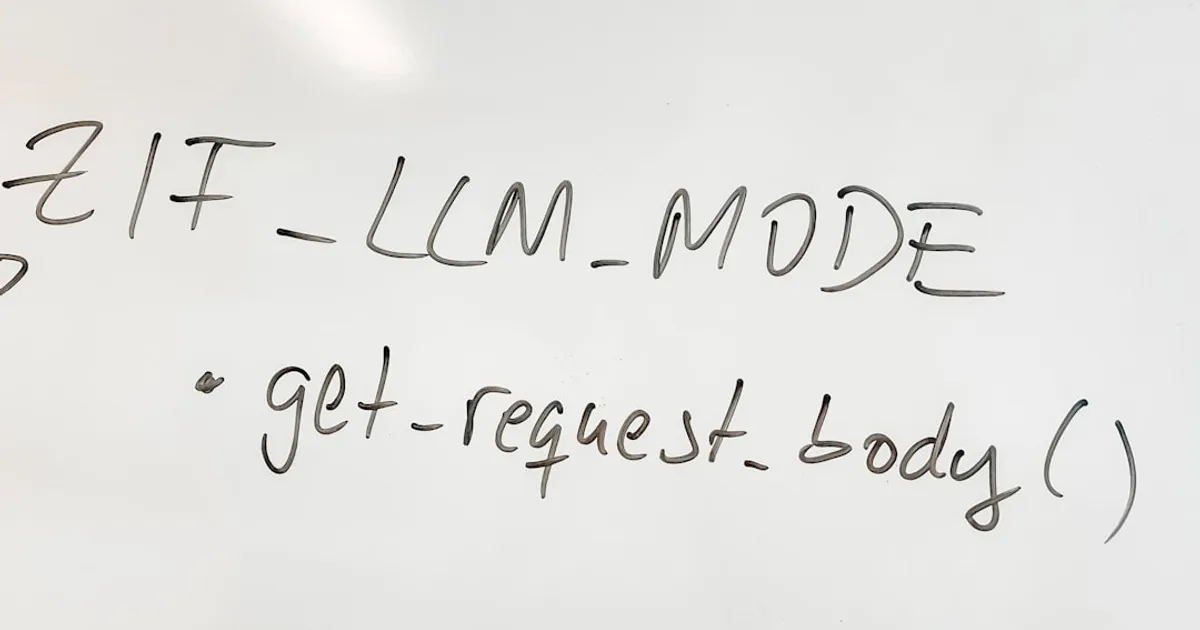
Vera ditches variable names because LLMs can't handle them
Vera is a programming language built specifically for LLMs to write and verify code. It replaces variable names with structural references like @Int.0 and @Int.1 to avoid naming-related errors, enforces mandatory contracts verified by the Z3 SMT solver, and makes all effects explicit. Programs compile to WebAssembly. Error messages are designed for machine consumption, each with a stable code, concrete fix, and spec chapter reference. The language sits at v0.0.127 with a reference compiler and 13-chapter specification. VeraBench shows Kimi K2.5 hitting 100% run_correct on Vera versus 86% on Python, though GPT-4.1 and Claude Sonnet 4 both scored lower on Vera than Python. HN commenters question whether stripping semantic information from names actually helps LLMs or makes their job harder.

Amazon chips: from side dish to $20B Nvidia rival
Amazon's semiconductor business surpassed a $20 billion annual run rate, with custom silicon including Graviton processors, Trainium AI training chips, and Nitro security chips growing at over 100% year over year. OpenAI committed to 2 gigawatts of capacity, Anthropic to 5 gigawatts, with Meta and Uber also signing on. Amazon launched Bedrock AgentCore for building AI agents and made GPT-5.4 and Claude Opus 4.7 available on Bedrock.

Diallo's Excel Satire Roasts AI Hype at Its Own Game
Ibrahim Diallo's satirical article parodies AI hype by applying the same exaggerated language to Microsoft Excel. The piece targets Excel's integration with Microsoft Copilot and built-in Python support, arguing that spreadsheets can replace entire business departments. The real target is the AI industry's inflated rhetoric, revealing how absurd startup pitches sound when applied to a humble grid of cells.

Bundeswehr blocks Palantir from military cloud contract
Germany's military rejected Palantir's Maven software for its cloud and AI infrastructure over data sovereignty concerns. Vice Admiral Thomas Daum said allowing Palantir employees access to national data is "unimaginable." The Bundeswehr selected German firms Almato and Orcrist, plus France's ChapsVision, instead.
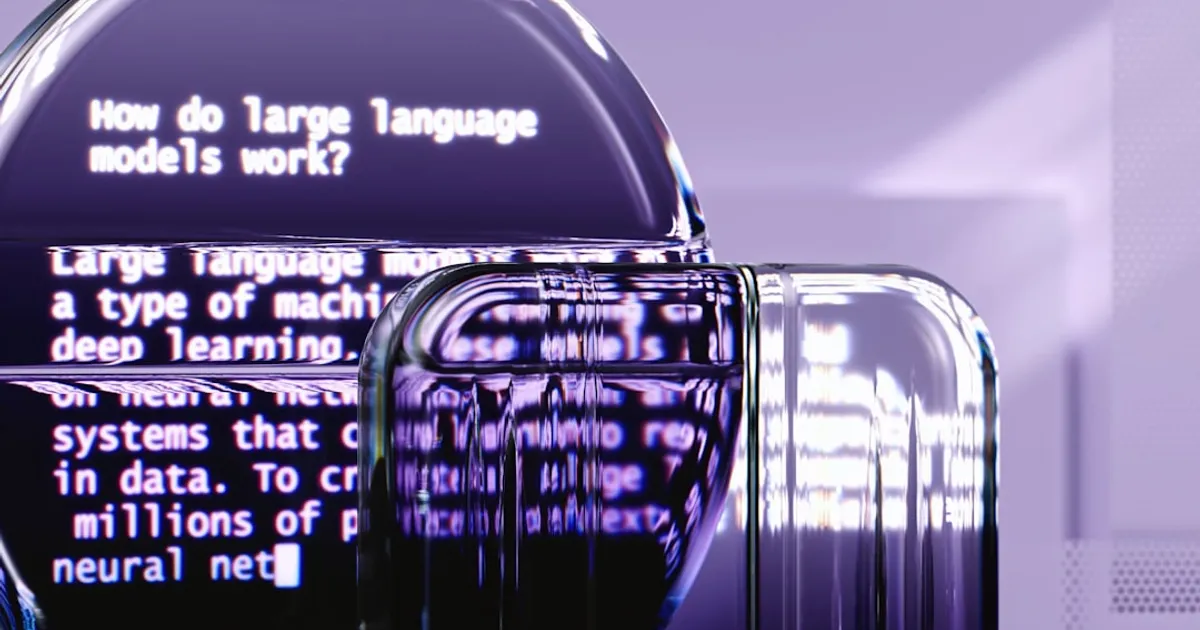
Your LLM Is Just a Fancy Probability Engine
Alfredo V. Clemente breaks down how Large Language Models actually work: tokenization, pre-training on massive datasets, and instruction fine-tuning. His framing is simple. LLMs do one thing, predict the next token. Everything else is clever problem reframing.

Claude Outage Hits Coders Only
Claude Code went down while regular chat kept working for many users. The partial outage reveals Anthropic runs these services on separate infrastructure.
Granite 4.1: IBM's 8B Model Matching 32B MoE
IBM released Granite 4.1, a family of open-source language models (3B, 8B, 30B) under Apache 2.0 license. The 8B dense architecture model matches or beats the previous 32B MoE Granite 4.0-H-Small across benchmarks including tool calling (BFCL V3), math (GSM8K), and instruction following (IFEval). Key features include 512K context window, 15T token training, and aggressive data filtering. IBM also got unusually honest about training failures during their four-stage RL pipeline.

Claude Code reportedly kills sessions over OpenClaw mentions
Users report that Claude Code, Anthropic's AI coding assistant, appears to refuse requests or burn through usage limits when commits or messages mention OpenClaw, a competing product. Multiple developers have reproduced the behavior, including one showing session usage spiking to 100% and another hitting a 5-hour usage limit after providing a direct link to openclaw.ai.

Every Claude Service Went Down at Once
Every Claude service, including the government offering, went down simultaneously for 31 minutes on April 30, raising questions about shared infrastructure. The outage sparked community discussion about AI reliability and inspired a developer-built waiting room for when Claude goes down.

I benchmarked the Caveman plugin against "be brief."
A technical benchmark comparing Caveman, a popular Claude Code compression plugin, against a simple two-word prompt "be brief." The study found that "be brief." matched Caveman on both token reduction (419 vs 401-449 tokens) and quality scores (0.985 vs 0.970-0.976). Caveman still offers consistent output structure, intensity modes, and an Auto-Clarity safety escape. But the compression itself didn't outperform the simple prompt.

Mozilla Says No to Chrome's Built-In AI API
Mozilla flagged Chrome's proposed Prompt API with a 'position: negative' label in their standards-positions repository. The API would let web developers access local language models directly through the browser. Authored by Domenic Denicola and developed by the Web Machine Learning Community Group, it's already in experimental form in Chrome and Edge. Mozilla isn't having it.
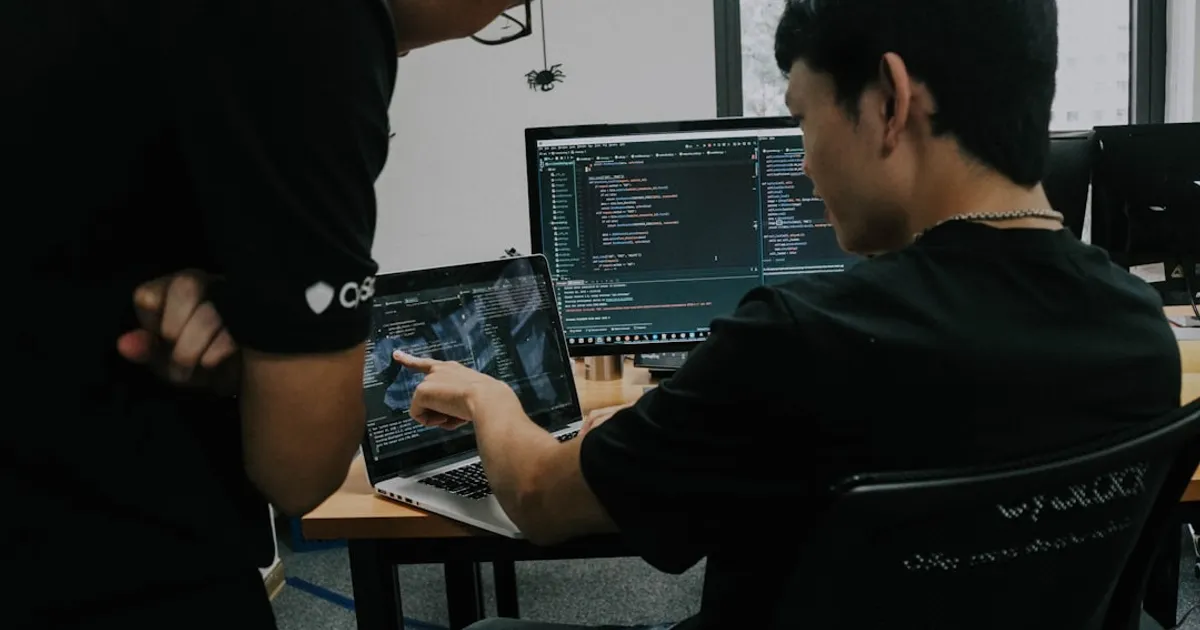
How Zulip Turned AI Slop Into Merge-Ready PRs
Zulip 12.0 release announcement details how the team uses Claude Code for development, the impact of AI-generated PRs, and their AI use policy. The team reports that Claude Code now produces PRs ready to merge with minimal iteration, improving their development workflow.

Opus 4.7 knows the real Kelsey
Kelsey Piper reports that Anthropic's Claude Opus 4.7 can identify authors from text samples as short as 125-150 words, even from unpublished drafts and unfamiliar genres. Testing showed the model could identify her from high school writing, fantasy novel drafts, and college essays written 15 years ago. The implications for online anonymity are stark. AI stylistic analysis may soon end anonymous communication for anyone with a substantial public writing history.

Burla scraped 1.7M Airbnb photos to find opium dens and bad TV setups
A technical project analyzing 1.7M Airbnb photos and 50M reviews using AI models including CLIP, Claude Haiku Vision, and SBERT. The analysis was parallelized on Burla, scaling to roughly 1.7K CPU workers and 20 A100 GPUs to identify suspicious listings, messy kitchens, pets, and poor TV placements. HN comments note this appears to be an advertisement for Burla, a managed cloud service that recently raised $10M in seed funding led by Alliance of Capital.

On the stand, Elon Musk can't escape his own tweets
Elon Musk testified in a California federal court in a lawsuit challenging OpenAI's transition from non-profit to for-profit structure. During cross-examination, Musk contradicted his own tweets, admitting under oath that Tesla is not currently pursuing AGI despite claiming otherwise on X. The case centers on whether OpenAI's co-founders violated the company's original mission, with the competitive dynamics complicated by Musk's own xAI startup raising billions for its Grok model.

No AI Model Is Both Correct and Steerable, Says New Creative Benchmark
Contra Labs introduces a research framework for evaluating generative AI in creative work that separates convergence (shared best practices where evaluators agree) from divergence (legitimate differences in taste and creative intent). The study involved 1.5M+ independent professional creatives evaluating AI-generated outputs across five domains using pairwise comparisons, scalar ratings, and qualitative feedback. The benchmark measures creative quality along dimensions from verifiable (prompt adherence) to subjective (visual appeal), finding that no current model is reliably both correct and steerable.

Honker: Postgres-Style Queues Inside SQLite
Honker is a SQLite loadable extension that adds Postgres-style NOTIFY/LISTEN semantics with durable pub/sub, task queue, and event streams. It supports multiple languages (Python, Node, Rust, Go, Ruby, Bun, Elixir, C++) and provides atomic queue operations within the same transaction as business writes, avoiding dual-write problems. Cross-process wake latency is ~0.7ms p50.
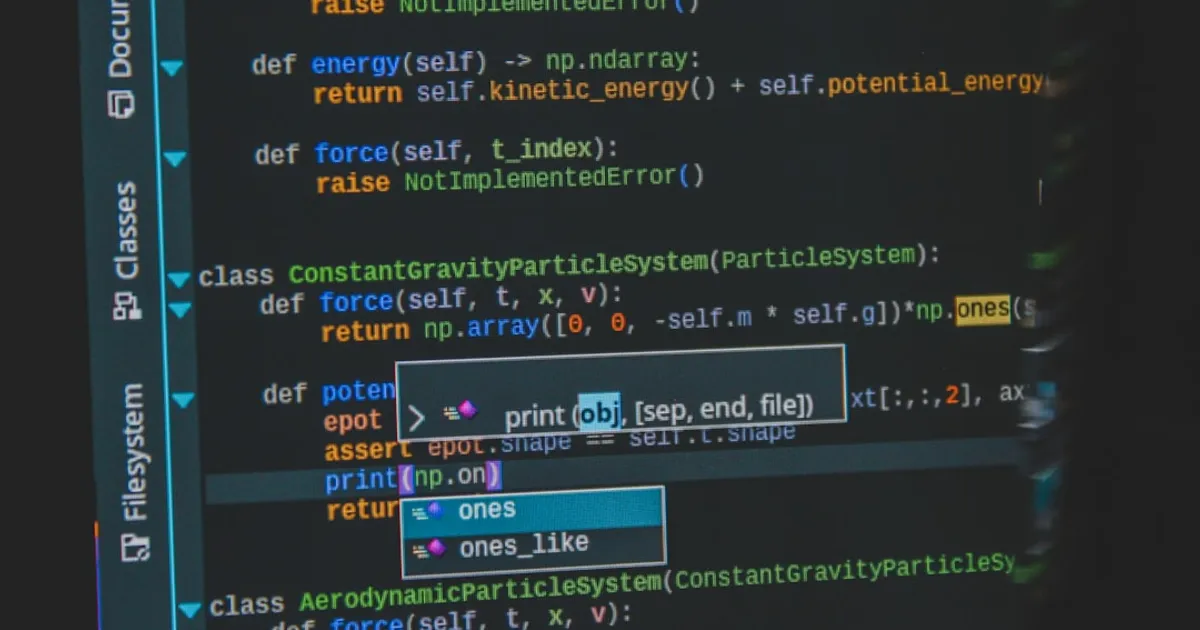
TRiP: One Dev Builds a Full Transformer Engine in Pure C
TRiP (TRansformer in Progress) is a complete transformer engine written in pure C with zero dependencies. Built solo over 18 months, it supports inference, training, tokenizer creation, chat, and vision for Llama 2, Gemma 1, PaliGemma, and GPT-2 architectures with full forward and backward pass implementations.
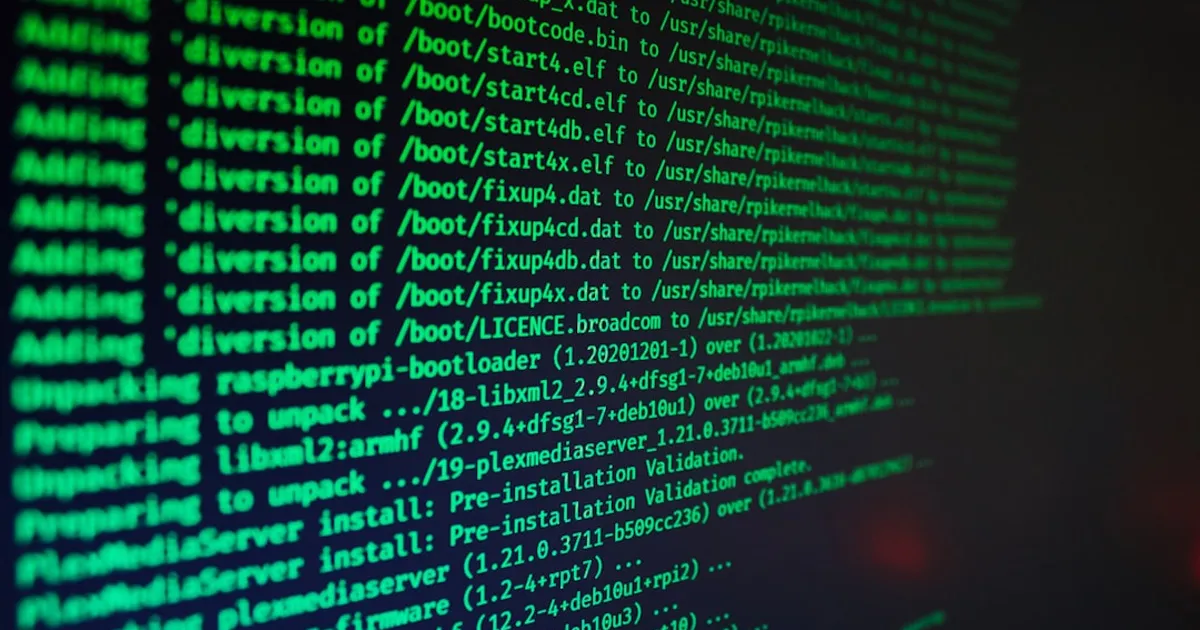
Shai-Hulud Malware Hits PyTorch Lightning Supply Chain
The PyPI package 'lightning' (PyTorch Lightning) was compromised in versions 2.6.2 and 2.6.3 in a supply chain attack. The malicious code steals credentials, authentication tokens, environment variables, and cloud secrets while attempting to poison GitHub repositories. The malware uses persistence hooks targeting Claude Code and VS Code, and can spread from PyPI to npm.

Meta drops contractor after smart glasses sex footage scandal
Meta cancelled its contract with data annotation firm Sama after Kenyan workers reported reviewing graphic content from Meta smart glasses, including sexual encounters, to train AI models. The 1,108 workers now face redundancy. Meta claims the contract ended because Sama didn't meet standards; Sama denies this. UK and Kenyan regulators are investigating privacy concerns. This follows previous controversies over Facebook content moderation contracts with Sama.
VS Code credits Copilot by default. Copyright just got complicated
Visual Studio Code 1.118 introduces Git AI co-authoring by default, automatically adding Copilot as a co-author on commits where it makes changes. The update also includes VS Code Agents app enhancements, remote control for Copilot CLI sessions, semantic indexing across all repositories, GitHub text search across repos and orgs, dedicated context for skills, and token efficiency improvements including prompt caching and a new tool search mechanism.
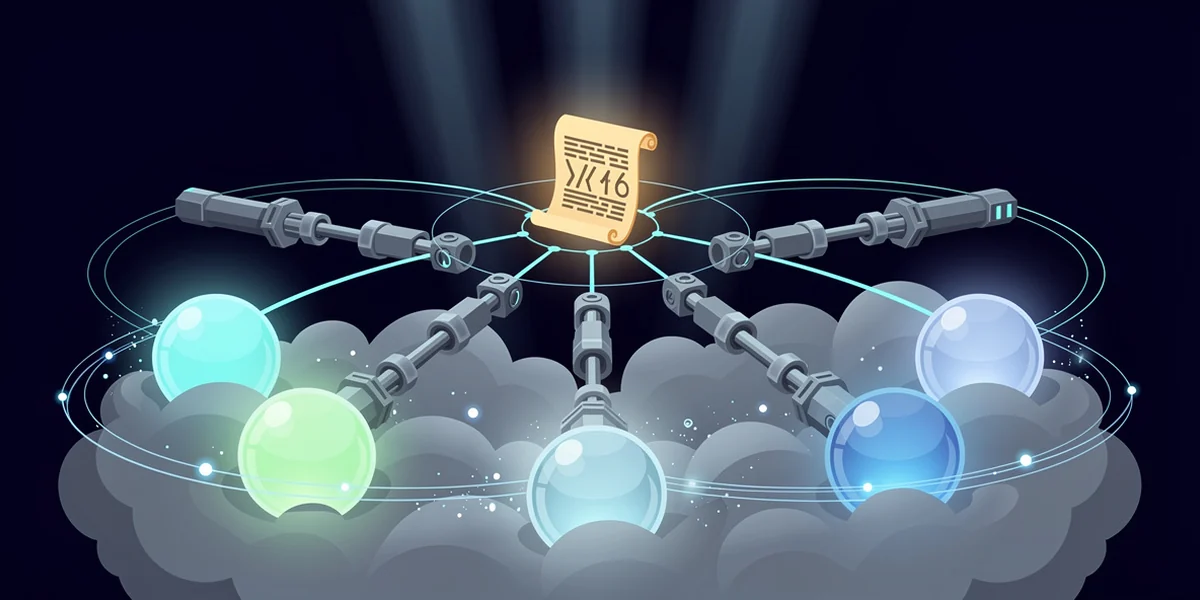
This 400-line shell script runs AI coding agents. Nobody can audit it.
Pu.sh is a coding-agent framework packed into 400 lines of shell script. It needs only curl, awk, and an API key to run AI coding agents. But the code is minified to hit the 400-line constraint, and users say that makes it nearly impossible to read or audit for security.
Mozilla Draws Line Against Chrome's LLM API
Mozilla publicly opposes Chrome's proposed LLM Prompt API, arguing the standard raises privacy concerns and philosophical questions about what browsers should become.