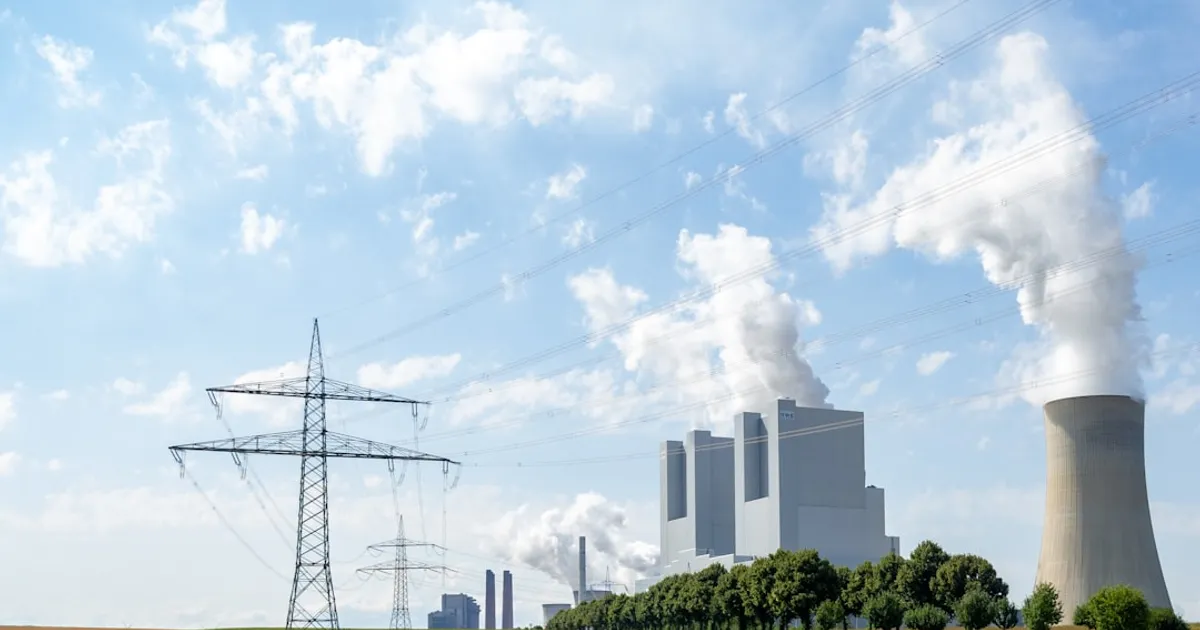
The AI companies building the future are burning a lot of gas to get there. A WIRED review of air permits for just 11 data center campuses linked to OpenAI, Meta, Microsoft, and xAI shows these facilities could emit more than 129 million tons of greenhouse gases per year. That's more than Morocco emitted in 2024. The permits reveal a rush toward behind-the-meter power generation, where data centers skip the grid and build their own natural gas plants to power their operations directly.
xAI's Colossus campuses in Tennessee and Mississippi could pump out more than 12.8 million tons of CO2 equivalents combined. The NAACP has already filed suit against the company, claiming it's illegally operating gas turbines in a low-income Black community in Memphis. Microsoft is eyeing power from a Chevron-backed West Texas project that could emit 11.5 million tons annually, more than Jamaica emits in a year. Microsoft's chief sustainability officer Melanie Nakagawa calls it a 'portfolio approach' to reliability in grid-constrained regions. Grid constraints are driving this shift, a trend Michael Thomas, founder of clean energy research firm Cleanview, describes as 'a crazy acceleration of emissions.' He points out that just as society was retiring fossil fuel plants, the AI boom is creating a new wave of them. Energy researcher Jon Koomey notes that data center emissions could land even closer to permitted levels than traditional power plants, since data centers run at constant capacity rather than responding to fluctuating demand. And because there's a global shortage of efficient gas turbines, some developers are choosing less efficient models that run longer and pollute more.
We've seen this pattern before. The crypto mining boom brought behind-the-meter operations to struggling coal and gas plants, with the Sierra Club documenting at least 15 coal plants reopening to serve miners between 2017 and 2021. AI's power grab is bigger and faster. The companies making these bets argue that AI will boost productivity enough to offset the environmental damage. Maybe. But right now, the emissions are real and the offsets are theoretical. The rapid expansion of AI infrastructure is pushing power demand to record highs, challenging the infrastructure's ability to keep up.