News
The latest from the AI agent ecosystem, updated multiple times daily.
EvanFlow: TDD Feedback Loop for Claude Code
EvanFlow enforces a TDD loop for Claude Code with human approval at every stage. Ships with 16 skills, 2 subagents, and guardrails against common agentic coding failures.

OpenAI and Microsoft Bet $135B on a Panel That Doesn't Exist Yet
OpenAI and Microsoft have signed a new definitive agreement modifying their long-standing partnership. Microsoft supports OpenAI's transition to a public benefit corporation with recapitalization, holding approximately 27% stake valued at $135B. Key changes include: Microsoft's IP rights extended through 2032 including post-AGI models; OpenAI can now jointly develop products with third parties and serve non-API products on any cloud; Microsoft can independently pursue AGI; OpenAI committed to purchasing $250B of Azure services; Microsoft loses right of first refusal as compute provider. The agreement also allows OpenAI to release open weight models and provide API access to US government national security customers.
OpenAI Pledges Decentralization While Holding All the Cards
OpenAI CEO Sam Altman published five core principles: Democratization (resisting power consolidation), Empowerment, Universal Prosperity, Resilience, and Adaptability. The Hacker News response was swift and skeptical.
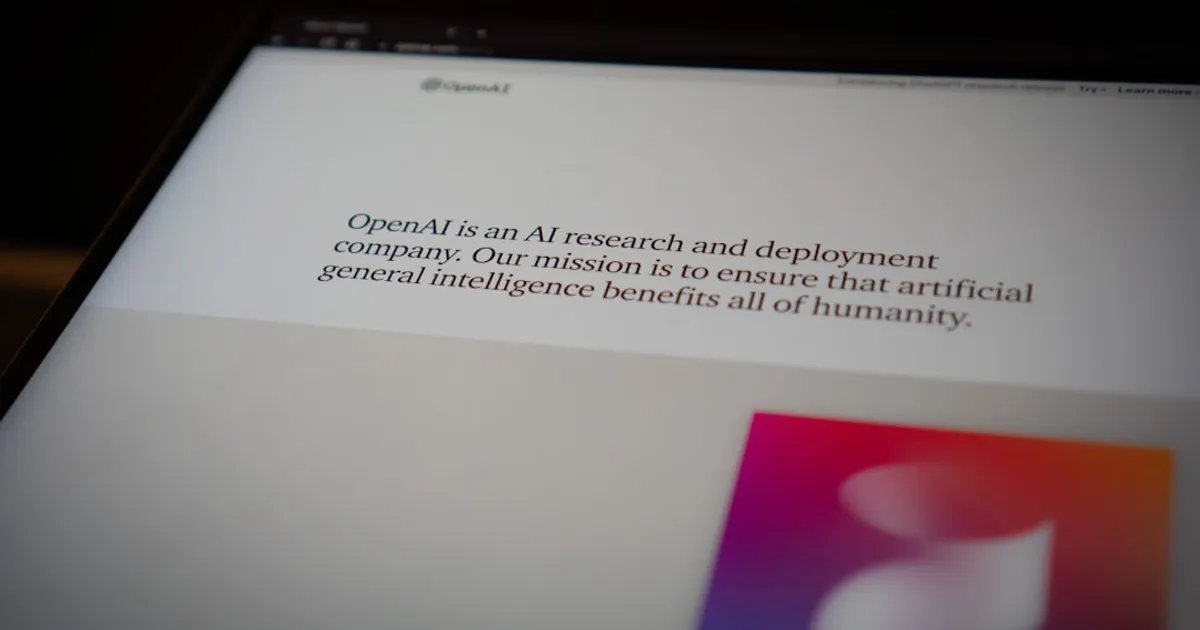
OpenAI Preaches Decentralization, Hacker News Isn't Buying It
OpenAI CEO Sam Altman published five guiding principles for the company's AGI work, including democratization and universal prosperity. The Hacker News community responded with sharp skepticism, pointing out the gap between OpenAI's open-source origins and its current closed-model reality.

4M Tokens on a Plane: What Broke Running Local LLMs at 30,000 Feet
A technical walkthrough of running local LLM inference (Gemma 4 31B and Qwen 4.6 36B via LM Studio) on a MacBook Pro M5 Max during a 10-hour transatlantic flight. The author built a billing analytics tool using DuckDB and processed ~4M tokens for engineering tasks, documenting hardware constraints including power drain (~1% battery/minute), thermal issues, and context window limitations. Custom CLI tools (powermonitor, lmstats) were created to monitor performance and power consumption.

Moleskine's AI Tolkien Notebooks Invent Fake Middle-earth Locations
Moleskine released a Lord of the Rings collection with AI-generated artwork and minimal disclosure. Disclaimers appeared inconsistently, promotional maps contained nonsensical names like 'Der Rarmorth,' and no human artists were credited. After backlash, Moleskine claimed AI was only used for promotional backgrounds, then removed the disclaimer entirely.

OpenAI's AGI Principles Paper Over Its Own Contradictions
OpenAI published five guiding principles for the AGI era, promising democratization and shared prosperity. But the gap between these ideals and the company's Microsoft-dependent, increasingly closed operations tells a different story.
Git Merkle roots cut AI agent token costs by 51%
An experiment using Git's content hashing to cache codebase facts cut AI agent token usage by 51% ($4.35 to $2.13 per session). Haiku scans a repo and writes claims pinned to Git blob OIDs via a Merkle root. When files change, blob OIDs change, and claims go stale automatically.
Dirac OSS Agent Crushes Google's Baseline on TerminalBench
Dirac is an open-source AI coding agent that achieved a 65.2% score on the TerminalBench 2.0 leaderboard using gemini-3-flash-preview, outperforming Google's official baseline (47.6%) and the top closed-source agent Junie CLI (64.3%). It focuses on token efficiency and context curation, reducing API costs by 64.8% on average while producing better work through hash-anchored parallel edits, AST manipulation, and multi-file batching.
AI's power hunger to push US electricity to record highs by 2026
US electricity demand will hit record highs in 2026 and 2027 thanks to AI data centers. Grid capacity can't keep up with chip development, and some data center builds are already stalled. Energy availability may matter more than model improvements for what happens next with AI.
France's Mistral Built a $14B AI Empire by Not Being American
Mistral, a French AI startup, hit a $14 billion valuation by positioning itself as the European alternative to OpenAI and Anthropic. The company raised $2 billion led by ASML and landed HSBC, Tesco, and multiple European governments as clients. Mistral's open-weight models don't top performance benchmarks, but they offer data sovereignty and regulatory compliance that American providers structurally cannot guarantee. The ASML investment signals a bet on a fully European AI stack, though hardware sovereignty remains aspirational while Mistral still trains on Nvidia GPUs.

Builder creates ML-powered flipdisc wall, open-sources the library
A guide to building a custom interactive flipdisc display system using 9 Alfazeta panels in a 3x3 grid (84x42 discs total), powered by a 24V Meanwell supply and Nvidia Orin Nano for machine learning processing with MediaPipe. Includes Node.js libraries for display control, WebGL/Canvas rendering, and an Expo mobile app interface. The author open-sourced the flipdisc library for AlfaZeta and Hanover boards.
AI bills now exceed human salaries at major companies
Companies are finding that AI compute and token costs can outpace what they pay people. Nvidia's VP says compute costs dwarf salaries on his team. Uber's CTO already burned through the 2026 AI budget on tokens alone. A startup CEO even bragged about his massive Anthropic bill as proof of scaling with intelligence. Meanwhile, nobody has convincing evidence this spending actually produces returns.

Canva AI swapped Palestine for Ukraine. Nobody asked.
Canva's Magic Layers AI was caught automatically replacing the word 'Palestine' with 'Ukraine' in user designs. The feature is supposed to separate images into editable layers, not rewrite text. Canva has fixed the bug and apologized, but the incident raises questions about how well AI toolmakers understand their own models.
Google's DiLoCo Trains LLMs on Mismatched Hardware Across Continents
Google DeepMind's Decoupled DiLoCo splits LLM training across separate compute 'islands' that talk asynchronously, matching conventional quality while running 20x faster than traditional sync methods. The system keeps training when hardware fails and lets you mix older and newer GPUs in the same run.
Copilot's Free Ride Ends: GitHub Switches to Usage Billing
GitHub is transitioning all Copilot plans from premium request-based pricing to usage-based billing starting June 1, 2026. The new system uses GitHub AI Credits consumed based on token usage (input, output, and cached tokens) at published API rates per model. Base plan pricing remains unchanged: Pro ($10/month), Pro+ ($39/month), Business ($19/user/month), and Enterprise ($39/user/month), with each plan including equivalent AI Credits. The change addresses rising inference costs from agentic AI features and multi-step coding sessions.
Dutch central bank ditches AWS and chooses Lidl for European cloud
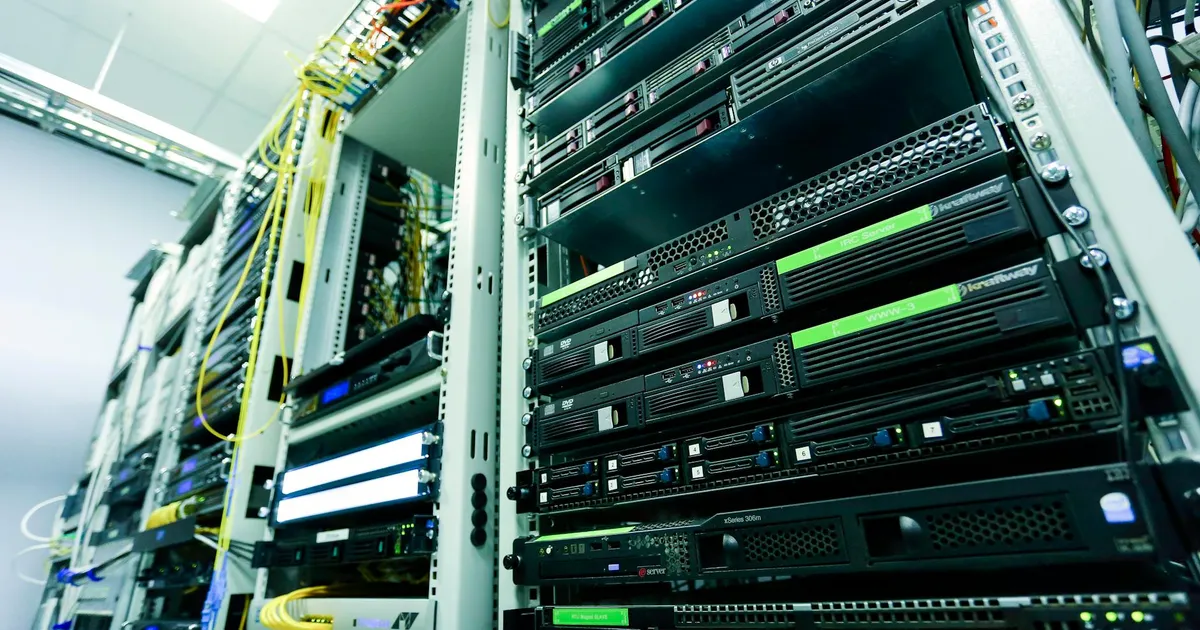
De Nederlandsche Bank (DNB), the Dutch Central Bank, is signing a major contract with Schwarz Digits (the IT arm of Lidl owner Schwarz Group) to use their Stackit cloud platform. This move aims to reduce dependence on American cloud companies like AWS, Google Cloud, and Microsoft Azure, driven by concerns about cloud sovereignty and the US Cloud Act which allows US authorities to access data. Schwarz Digits is positioning Stackit as a European alternative to American hyperscalers, with a recent 11 billion euro investment in a data center in Lübbenau.

Microsoft Ends Revenue Sharing With OpenAI
Microsoft is ending its revenue-sharing agreement with OpenAI, giving the startup more flexibility to compete with rivals like Anthropic. The move also helps Microsoft stay ahead of regulatory scrutiny in the US and Europe. Separately, GitHub is transitioning Copilot to usage-based billing, signaling the end of free AI coding assistance.
Google's DiLoCo Trains AI on Mixed Hardware, 20x Faster
Google DeepMind announces Decoupled DiLoCo, a new architecture for training large language models across globally distributed data centers. The approach splits training into decoupled 'islands' of compute with asynchronous data flow. It isolates hardware failures and needs far less bandwidth than traditional methods. Tested on Gemma 4 models, the system matched conventional training performance while running 20x faster and mixing different hardware generations (TPU v6e and TPU v5p).
Cal Newport to AI Industry: Who Asked for This?
Cal Newport argues Silicon Valley shifted from solving customer problems to 'inventing the future,' pursuing AI without clear market utility. While LLMs have more potential than NFTs or the metaverse, ordinary people mainly use ChatGPT as a search tool and face conflicting narratives about AI's job impact.
AI is about to hit a power wall
US power demand is projected to reach record highs in 2026-2027, driven by AI usage and data center expansion according to EIA data. Hacker News commenters highlight that AI is becoming an energy problem, not just a compute problem, with power infrastructure scaling slower than chip improvements—a potential constraint for AI growth.
Chrome Now Ships an On-Device LLM. Most Laptops Need Not Apply.
Google's Prompt API lets Chrome run Gemini Nano locally, no API keys or cloud calls required. The catch: the model download is larger than Chrome itself, and the hardware requirements shut out most laptops.
Git-pinned cache cuts AI agent costs in half
An experiment shows that using a Git-based cache to pre-verify and pin facts about a codebase can reduce AI agent token costs by 51%. The approach uses Claude Haiku to scan repos and create claims pinned to Git blob OIDs, with Merkle root computation to automatically mark claims as stale when files change. Results: cost reduction from $4.35 to $2.13 per session, 16% faster wall time.
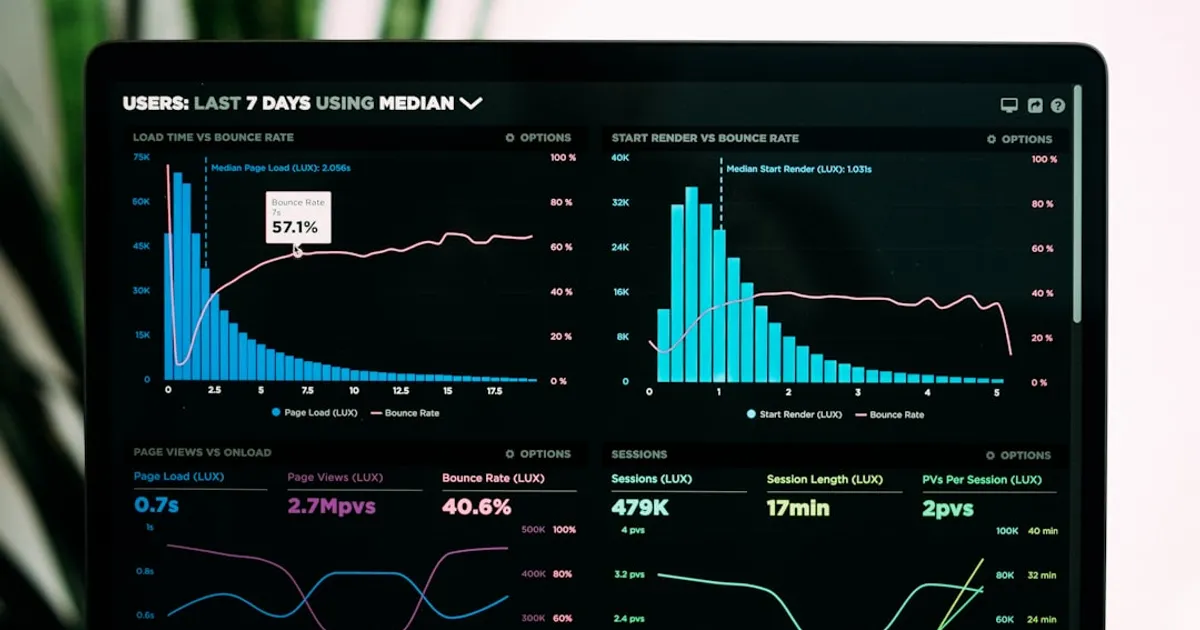
Nvidia VP: AI Compute Costs Now Exceed Team's Salaries
Some companies are now spending more on AI compute than on human workers. Nvidia's VP of applied deep learning says compute costs far exceed employee salaries for his team, while Uber's CTO reportedly burned through the company's entire 2026 AI budget on token costs alone. As global IT spending heads toward $6.31 trillion, companies face growing pressure to show returns on AI investments and get costs under control.
Tendril starts with three tools and builds the rest itself
Tendril is an agentic sandbox where an AI model builds and registers its own tools as it works. Starting with just three bootstrap commands, the agent creates what it needs and saves it for next time. Built with AWS Strands Agents SDK, Tauri, and Claude Sonnet 4.5.

AgentSwarms: Break 30+ agents in-browser until you understand them
AgentSwarms is a free browser platform for learning agentic AI by running and modifying live agents. Covers prompts, RAG, tool calling, guardrails, multi-agent swarms, and observability across 40+ lessons. Supports OpenAI, Gemini, Grok, and Claude with zero setup.
Nvidia VP: Compute now costs more than our employees
Nvidia's VP says compute now costs more than employees. Uber's CTO already burned through 2026's AI budget on tokens. The AI cost problem is here, and companies are scrambling for cheaper alternatives.
AI now costs more than the humans it replaces
Nvidia VP Bryan Catanzaro says compute costs for his team now sit 'far beyond' employee salaries. Uber's CTO already burned through his 2026 AI budget on token costs alone. Companies are spending millions to replace teams that cost less, and some are bailing on commercial APIs to self-host open-source models instead.
Claude Code 90% cost-saver goes viral, attribution doesn't
A tutorial showing how to route Claude Code through Ollama to reduce costs by approximately 90%. The setup keeps strategic work on Claude Pro while offloading heavy tasks like lints, refactors, and file operations to free open-source models (Gemma, Qwen, DeepSeek) running locally via Ollama.

Google Bets AI Edge Can Close Cloud Gap With Amazon, Microsoft
Google Cloud is pushing AI to catch AWS and Azure, but history says technical superiority alone won't win enterprise deals. Google open-sourced TensorFlow in 2015 and built custom TPUs early, yet still trails rivals who spent years building deep corporate relationships. The question isn't whether Google can build better AI tools. It's whether enterprises trust Google to support them long-term.

Microsoft ends Azure exclusivity, lets OpenAI use any cloud
OpenAI can now serve products through any cloud provider, ending Microsoft's exclusive grip. The amended deal keeps Microsoft as primary cloud partner with Azure getting first access to new OpenAI products. Microsoft retains a non-exclusive IP license through 2032, stops paying revenue share to OpenAI, and remains a major shareholder. OpenAI continues revenue share payments to Microsoft through 2030 with a cap.
DeepSeek V4 runs on Huawei chips and keeps up with GPT-5
DeepSeek released V4, an open-source AI model with a 1 million token context window, optimized for Huawei's Ascend chips. The model comes in Pro and Flash versions, offering performance rivaling Claude-Opus-4.6, GPT-5.4, and Gemini-3.1. V4-Pro costs $1.74 per million input tokens. Flash costs $0.14. Architectural improvements cut memory use dramatically, and the Huawei partnership signals China's push away from Nvidia dependency.

Microsoft Drops Revenue Split as OpenAI Outgrows the Deal
Microsoft and OpenAI restructured their partnership. Microsoft will stop sharing revenue with OpenAI, while OpenAI gains the ability to sell products on any cloud provider, ending Microsoft's exclusivity. Microsoft retains rights until 2032, and OpenAI has capped repayment obligations until 2030. The move comes as competition from Anthropic forced OpenAI to scale beyond what Microsoft's infrastructure alone could support.

AI is hungry for electricity and America's grid can't keep up
A Reuters report discusses how AI workloads and data center expansion are projected to drive US power demand to record levels in 2026-2027, according to the U.S. Energy Information Administration (EIA). The story and Hacker News comments highlight emerging concerns about energy infrastructure scaling slower than chip technology, potentially creating a significant constraint for AI development.

This news site's reporters are AI bots. OpenAI appears to fund it.
An investigation reveals AcutusWire.com, a digital news site launched in December 2025, operates almost entirely on AI-generated content. 69% of articles are fully AI-generated, and 'reporter' Michael Chen is actually an AI agent sending interview requests. The site appears connected to OpenAI's super PAC Leading The Future and Republican PR firm Novus Public Affairs, suggesting an astroturfing operation pushing specific political narratives.

Sam Altman's World ID wins U.S. corporate backing despite global bans
Tinder, Zoom, and Docusign are partnering with World (formerly Worldcoin), Sam Altman's iris-scanning biometric ID project. While U.S. companies embrace the technology, countries across Asia, Africa, Europe, and Latin America have banned or halted World over privacy violations, including collecting minors' data and paying people for iris scans. The project claims 18 million verified users, but many received $50 in crypto to sign up.
DeepSeek v4 works with OpenAI SDKs and runs on your Mac
DeepSeek releases v4 API docs with two models: deepseek-v4-flash and deepseek-v4-pro. Compatible with OpenAI and Anthropic SDKs out of the box. Features thinking mode with configurable reasoning effort. Legacy models deepseek-chat and deepseek-reasoner deprecated July 2026.
DeepSeek v4 Runs on Huawei Chips, No CUDA Required
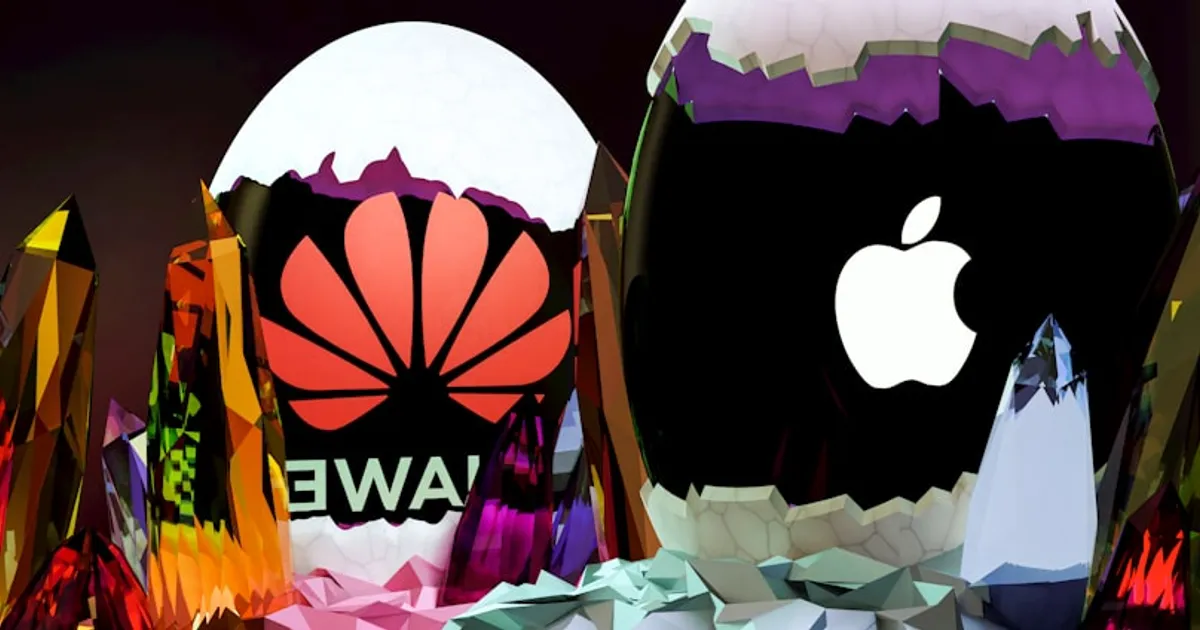
DeepSeek v4 API launches with flash and pro models running on Huawei Ascend chips with zero CUDA dependency. Features OpenAI/Anthropic compatibility, thinking mode, tool calls, context caching, and deterministic bitwise outputs at temperature 0.
Google Blinks: TorchTPU Runs PyTorch Natively on TPUs
TorchTPU enables PyTorch to run natively on Google's Tensor Processing Units with an eager-first approach offering Debug, Strict, and Fused Eager modes, plus full-graph compilation via torch.compile over XLA. The stack supports distributed training patterns including DDP, FSDPv2, and DTensor. A 2026 roadmap targets a public GitHub repo, Helion DSL integration, and first-class dynamic shapes.

Tolaria uses AGENTS files so Claude Code can read your markdown vault
Tolaria is an open-source macOS app for managing markdown knowledge bases, created by Luca Ronin. What makes it notable is the AGENTS file, a YAML configuration in each vault that gives AI agents like Claude Code and Codex CLI persistent context about your notes. The app stores everything as plain markdown in git repositories, with no accounts or cloud dependencies.
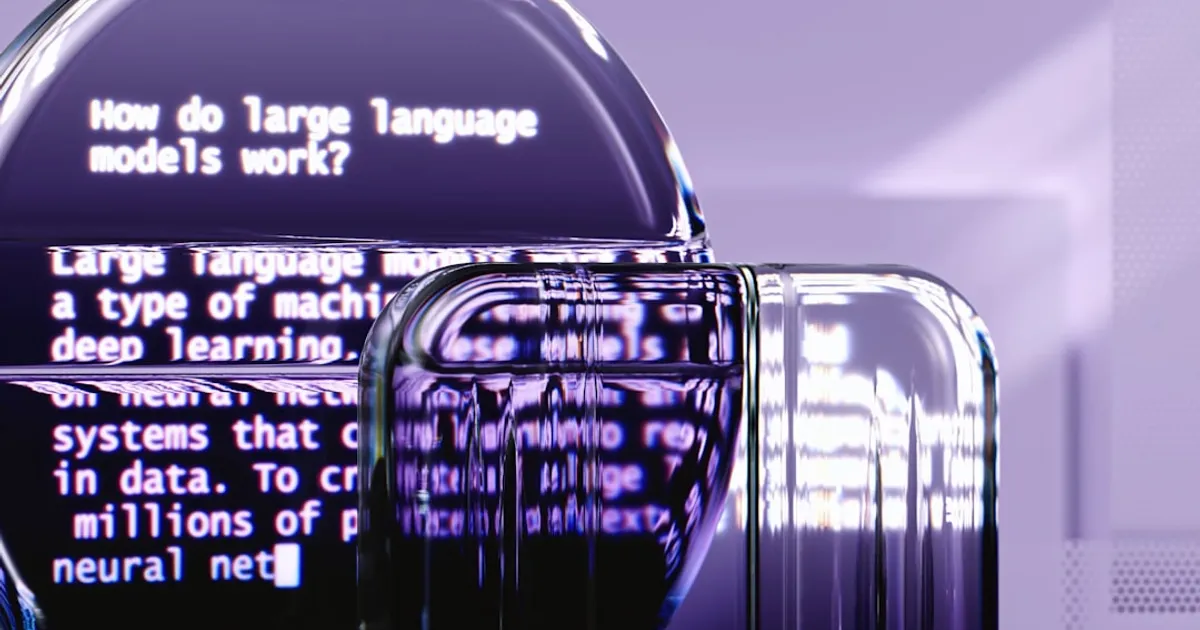
Karpathy's LLM lecture becomes interactive browser playground
An interactive browser guide lets you click through how LLMs work, from data collection to RLHF. Based on Karpathy's lecture but with live tokenizers and training visualizations you can actually play with. The key insight: pre-training builds an 'internet simulator,' not an assistant.
Mythos' 271 Firefox bugs: real finds or marketing?
Anthropic and Mozilla claimed Mythos found 271 Firefox vulnerabilities for under $20K. That number aggregates bug fixes, cleanups, and patches across multiple products, not just Firefox 150. Mythos is useful for defensive security at scale, but doesn't prove AI has cracked offensive vulnerability research.
Karpathy's LLM lectures turned into interactive visual guide
An interactive guide that lets you play with tokenization and watch neural network training happen in real time, based on Andrej Karpathy's technical lectures.

AI-run store in SF can't stop ordering candles and paying women less
Andon Labs' AI agent Luna manages an experimental retail store called Andon Market in San Francisco's Cow Hollow neighborhood. The AI has made questionable decisions including over-ordering candles, buying 1,000 toilet-seat covers for resale, and paying female employees $2/hour less than a male colleague. The experiment raises concerns about AI managing humans and highlights gaps in how AI understands retail operations.

Tesla's HW3 FSD Promise Dies: Millions Need Hardware Upgrades
Elon Musk admitted millions of Tesla owners with Hardware 3 vehicles need new computers and cameras for unsupervised Full Self-Driving, contradicting years of promises. Tesla is considering 'micro-factories' for retrofits, but the admission exposes the company to legal risk from customers who paid thousands based on false assurances.
Fast Tanh: Four Rust Tricks to Speed Up Inference
A technical survey of fast tanh approximations using Taylor series, Padé approximants, splines, and bitwise manipulation techniques like K-TanH and Schraudolph, with Rust code examples. Covers the speed gains that matter for neural network inference and real-time audio, plus why quantized models need these tricks to work at all.

Goedecke: Anti-AI Left Borrows from Conservative Playbook
Sean Goedecke argues that while anti-AI rhetoric appears left-wing, the underlying arguments mirror conservative positions on copyright, human essence in art, and job protection. He traces how timing and tech's rightward pivot created this odd alignment, and predicts it won't last: either the right claims anti-AI rhetoric or the left ends up defending technology it currently opposes.

Ghost Pepper: Free open-source transcription that stays on your Mac
Ghost Pepper is a free, open-source macOS app for local voice dictation and meeting transcription. It runs 100% local models (WhisperKit and Qwen LLMs) on Apple Silicon, with complete privacy since no data leaves the machine. Features include speech-to-text, meeting transcription with AI summaries, and text cleanup to remove filler words.

Agent Vault keeps API keys away from AI agents
Agent Vault is an open-source credential broker by Infisical that prevents credential exfiltration for AI agents. Instead of returning credentials directly to agents, it uses brokered access where agents route HTTP requests through a local proxy that injects credentials at the network layer. Works with Claude Code, Cursor, and other HTTP-speaking agents.
Andreessen, Thiel Frame AI Regulation as Evil. The Tab: $670 Billion
Peter Thiel calls AI critics 'Antichrist agents.' Marc Andreessen brands slowing AI 'a form of murder.' As tech giants pour $670 billion into AI development, Silicon Valley has reframed regulation as a religious war and shifted its political spending decisively toward Republicans.