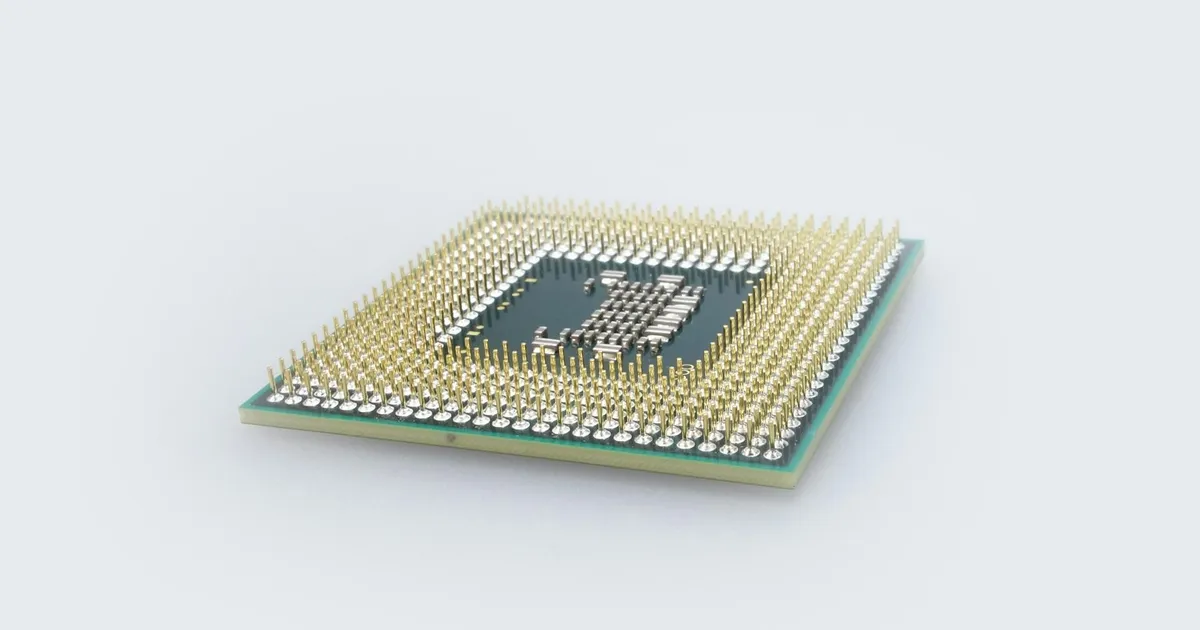
RISC-V has been around since 2010, born at UC Berkeley's Parallel Computing Laboratory, but 2026 might be the year it actually matters to regular developers. Canonical thinks so. The company behind Ubuntu is betting we'll see a flood of RISC-V chips and development boards that can run Linux, specifically ones supporting the RVA23 profile. Jon Taylor from Canonical writes that they expect "a rapid increase in the number of chips and boards available to developers that support Linux" this year.
What makes RISC-V different from Arm or x86 is that it's an open standard. Anyone can build a CPU based on it without paying licensing fees. Qualcomm and NVIDIA already use RISC-V cores in their products. Google's OpenTitan project uses a fully open source RISC-V CPU as a security root of trust, and they've shipped it in production Chromebooks and data centers. The real attraction for AI and ML workloads is extensibility. The ISA lets you add custom instructions, so hardware can be designed for specific algorithms instead of relying on generic chips.
Canonical has supported RISC-V since 2021, but they're ramping up fast. Ubuntu 24.04 LTS supports the RVA20 profile, and from version 25.10 onward they'll support RVA23. That matters because RVA23 includes the V extension for vector processing, which is what you need for serious ML inference on custom silicon. With Ubuntu Pro, that's up to 15 years of Long Term Support. The Linux kernel, GCC, LLVM, and most RTOS options already support RISC-V, so the software side isn't the wasteland newcomers might expect.
The Hacker News crowd jokes about RISC-V being decades away from consumer relevance. Fair enough, but that misses what's happening now. RISC-V already ships in volume inside embedded systems you never see. The shift is toward general-purpose, Linux-capable hardware that developers can actually use.
If you're building AI agents or custom ML pipelines, the ability to define your own instruction sets could change how you think about hardware acceleration. Instead of waiting for NVIDIA or Intel to add the right matrix operations to their chips, you could design exactly what your model needs. Canonical treating RISC-V as a first-class citizen means the tooling is catching up to the promise.