News
The latest from the AI agent ecosystem, updated multiple times daily.

Rakoff Rules: Claude Chats Get No Privilege
Judge Rakoff ruled that attorney-client privilege doesn't extend to AI conversations. The decision came in a case where a defendant used Claude to draft legal documents without their attorney's knowledge, and the court pointed to Claude's Terms of Service in its reasoning.
Cloudflare Makes Switching AI Models a One-Line Code Change
Cloudflare announces a unified inference layer giving developers access to AI models from OpenAI, Anthropic, Google, and nine more providers through a single API endpoint. The platform includes AI Gateway for cost monitoring and automatic failover, Workers AI for hosting models, and support for custom models using Replicate's Cog technology. The Replicate team has also officially joined Cloudflare's AI Platform team.
Qwen3.6-35B-A3B Ships as Qwen Team Falls Apart
The Qwen team releases Qwen3.6-35B-A3B, an open-weight LLM focused on agentic coding that's competitive for local workflows. The bigger story: they shipped this while being gutted by internal restructuring.
OpenAI Drops Excel Add-In, Directly Competes With Investor Microsoft
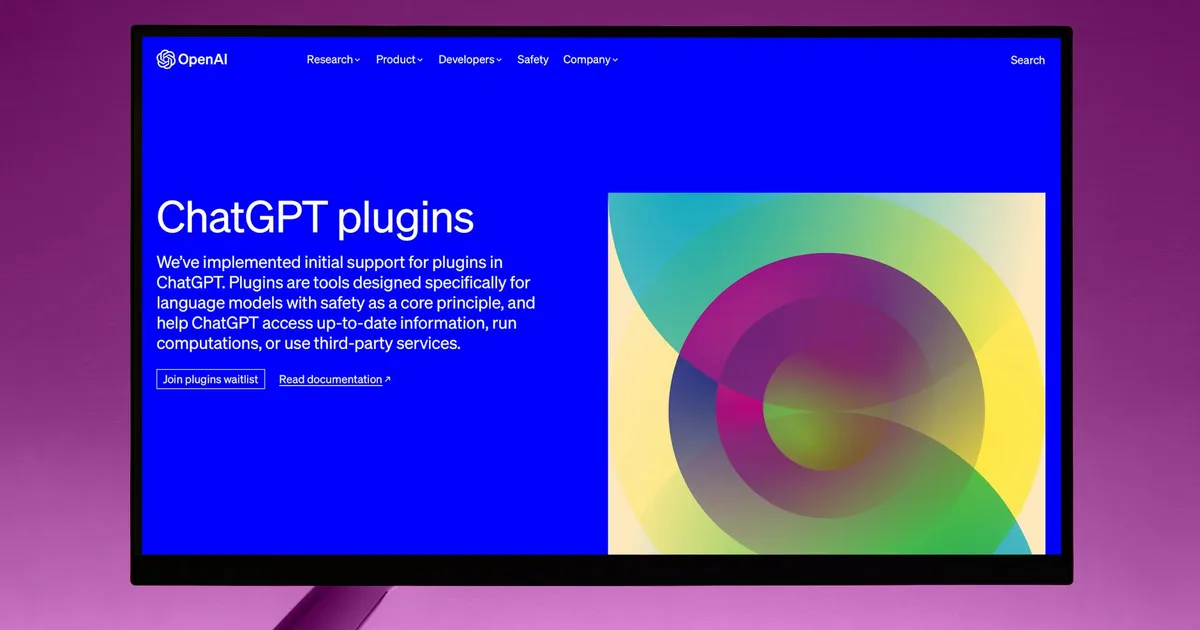
OpenAI released a ChatGPT add-in for Excel that competes directly with Microsoft's own Copilot. The awkward part? Microsoft has invested $13 billion in OpenAI. The beta lets users build spreadsheets, analyze data, and make edits using natural language, with answers linked to specific cells and changes requiring permission. Available for Business, Enterprise, Edu, and Plus/Pro users outside the EU.
Google's Android CLI works with any AI, cuts tokens 70%
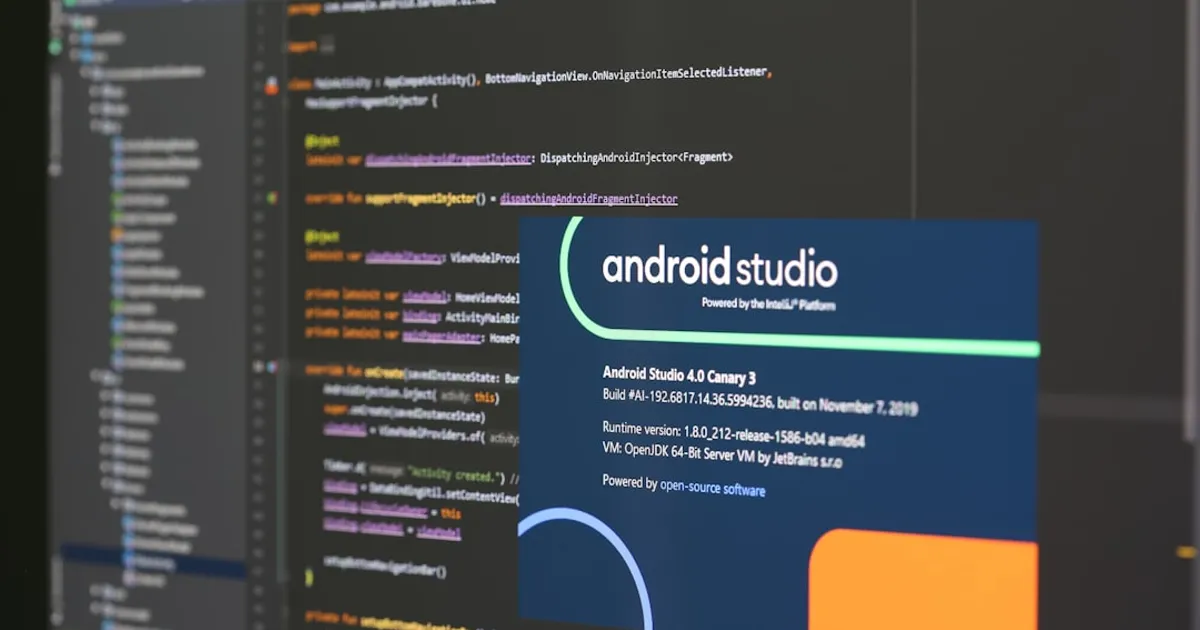
Google introduces Android CLI, Android Skills, and Android Knowledge Base, a new suite of tools designed for agentic workflows and LLM-assisted Android development. The Android CLI provides a terminal interface for project creation, SDK management, and device deployment, reportedly reducing LLM token usage by over 70% and completing tasks 3x faster than standard toolsets.

GPT-Rosalind Wants to Compress 15 Years of Drug Discovery
OpenAI announces GPT-Rosalind, a reasoning model built for life sciences, drug discovery, and complex scientific workflows. The model combines improved tool use with deeper understanding across chemistry, protein engineering, and genomics. Available as a research preview in ChatGPT, Codex, and API through a trusted access program with partners including Amgen, Moderna, and Novo Nordisk.
GPU Prices Jump 48% as AI Compute Hits Capacity Wall
GPU rental prices for Nvidia's Blackwell chips rose 48% in two months, with CoreWeave raising prices 20% and extending minimum contracts. OpenAI and Anthropic are limiting access to newest models due to compute constraints, and Intel's CEO predicts no relief until 2028. The scarcity era brings relationship-based selling, models going to the highest bidder, and forced diversification to smaller alternatives.
Opus 4.7 lands with 13% coding boost and built-in cyber safeguards
Claude Opus 4.7 posts a 13% coding benchmark gain over Opus 4.6 and ships with Project Glasswing, cybersecurity safeguards that run during inference itself. Early testers at Cognition, Cursor, and Notion report reliability jumps that change what agents can handle on their own. Vision support now handles images up to 2,576 pixels. Pricing holds at $5/$25 per million input/output tokens.

Agent-cache remembers so your LLM app doesn't have to pay twice
Agent-cache adds multi-tier caching for LLM responses, tool outputs, and sessions, supporting both Valkey and Redis. It targets a concrete pain point: LLM apps paying for duplicate API calls. Early feedback on Hacker News flagged documentation gaps but confirmed demand from developers already building similar solutions by hand.
Libretto: browser automations that survive production chaos
Libretto is an open-source toolkit for building deterministic web integrations for AI agents. It provides a live browser and token-efficient CLI that enables coding agents to inspect pages, capture network traffic, record and replay user actions, and debug broken workflows. Originally built by Saffron Health for maintaining healthcare software integrations, Libretto can convert browser automations to direct network requests and works with multiple LLM providers for snapshot analysis.
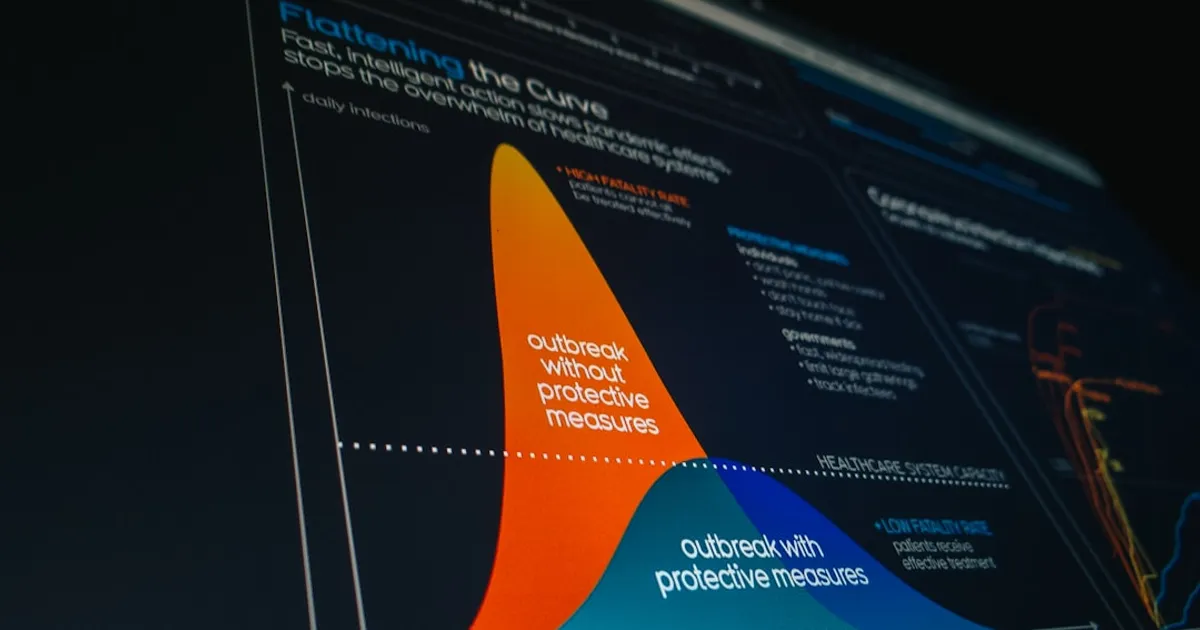
Opus 4.7 Drops 30 Points in Retrieval, Anthropic Discloses Training Bug
Claude Opus 4.7's model card reveals steep trade-offs: long-context retrieval dropped from 91.9% in Opus 4.6 to 59.2%, while software engineering and math scores improved. Anthropic also disclosed a training bug affecting 7.8% of episodes with accidental chain-of-thought supervision, which also affected Mythos Preview.
Codex gets its own cursor and works while you sleep
OpenAI announces a major update to Codex, adding autonomous agent capabilities including computer use (seeing, clicking, typing with its own cursor), background operations, long-term memory, and an in-app browser. The update brings gpt-image-1.5 for image generation, over 90 new plugins (Atlassian Rovo, CircleCI, GitLab Issues, Microsoft Suite), and enhanced developer workflows like PR review, SSH connections, and multi-file previews. Codex can now schedule future work and remember context across sessions.

Zatanna's Kampala Turns Any App Into an API
Kampala is an MITM proxy by Zatanna (YC W26) that reverse engineers websites, mobile apps, and desktop apps into stable APIs. It intercepts HTTP/S traffic, traces auth chains automatically, replays flows, and preserves HTTP/TLS fingerprints. macOS now, Windows waitlist.

The new security math: tokens beat cleverness
Anthropic's Mythos LLM breaks into systems so effectively that the company refuses public release. Independent testing confirms it: Mythos completed a 32-step hack in 3 of 10 attempts while competitors failed entirely. The real problem? Models given more compute keep finding exploits without plateauing. Security is becoming a spending race where defense means outspending attackers on token budget.
Somers wants to kill the screen with paper and AI
James Somers envisions computing without screens by combining paper and pen with AI agents that handle digitization. The open-source Orly agent already projects AI onto physical surfaces using off-the-shelf hardware, drawing on ideas from Bret Victor's Dynamicland project.

Qwen3.6-35B on my laptop drew a better pelican than Claude Opus 4.7
Simon Willison compares the SVG generation capabilities of two newly released models: Qwen3.6-35B-A3B (running locally via LM Studio) and Claude Opus 4.7 (Anthropic's proprietary model). Using his 'pelican riding a bicycle' benchmark and a backup 'flamingo riding a unicycle' test, he finds the locally-running Qwen model produces better illustrations. However, HN comments note that Opus still significantly outperforms Qwen on coding tasks (95/98 vs 11/98 on Power Ranking), suggesting the comparison is task-specific rather than indicative of overall model capability.

antirez Shows Why AI Bug Hunting Isn't Proof-of-Work
Argues that finding security bugs with LLMs differs from proof-of-work systems; it's limited by model intelligence rather than computational resources. The author demonstrates this using the OpenBSD SACK bug, showing that weaker models like GPT 120B OSS cannot discover it even with infinite tokens, while smarter models like Mythos succeed through genuine reasoning capability.
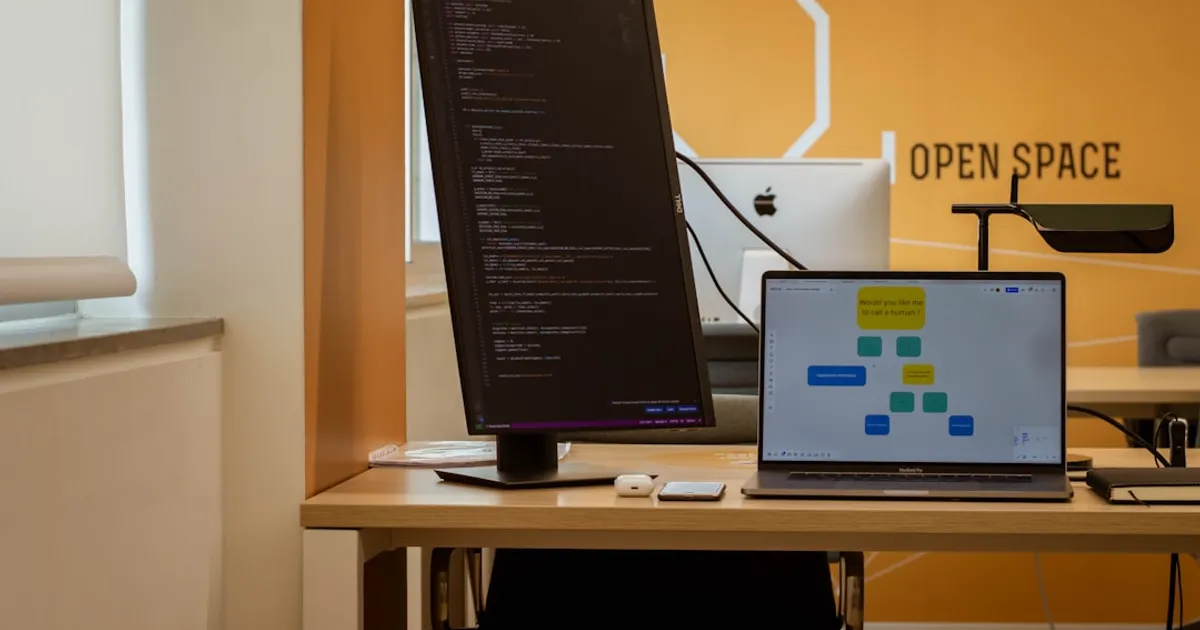
Marky renders markdown as your AI agent writes it, live
Marky is a fast, native markdown viewer for macOS built with Tauri v2, React, and markdown-it. Designed for agentic coding workflows, it offers CLI-first usage, live reload as AI agents write to disk, folder workspaces, syntax highlighting with Shiki, math rendering with KaTeX, and Mermaid diagram support. The production footprint is under 15 MB.

Darkbloom Wants Your Idle Mac to Run AI (and Pay You)
Darkbloom is a decentralized network from Eigen Labs connecting idle Apple Silicon Macs to AI compute demand. Mac owners earn revenue from spare hardware while users get cheaper private inference via an OpenAI-compatible API with end-to-end encryption and hardware-verified security through Apple's Secure Enclave.
Agent! Gives AI Real Control Over Your Mac Desktop
Agent! is an open-source native macOS application serving as an agentic AI coding IDE with automation capabilities. It integrates 17 LLM providers including Claude, GPT, Gemini, Grok, Mistral, DeepSeek, and on-device Apple Intelligence. Features include autonomous task loops, desktop automation via AXorcist, privileged execution through a Launch Daemon, Time Machine-style file rollbacks, voice control, iMessage remote control, and MCP server support. Positioned as an open-source replacement for Claude Code, Cursor, Cline, and OpenClaw.
The Future of Everything Is Professional Scapegoating, I Guess
Kyle Kingsbury identifies six emerging job roles at the human-AI boundary, from technical work like prompt engineering and statistical measurement to the grim reality of 'Meat Shields,' humans hired to absorb blame when LLM systems fail. The punchline: as models get worse at distinguishing truth, human expertise becomes more valuable than ever.

Iran's AI memes beat America at its own social media game
Iran is using AI-generated memes, Lego animations, and spoof music videos to mock Trump and outpace US messaging on social media. Iranian state accounts and young content creators are reaching audiences across the political spectrum with viral humor, while America's communication infrastructure falters under Musk's cuts and Trump's caps-lock style.

Anti-Scraper Anubis Blocks Math Paper, Walls Off Research
Academic repositories are deploying Anubis, a proof-of-work system that blocks AI scrapers by adding computational costs to mass requests—but also walls off open access to research.

GPT-5.4 Pro Claims Erdős Breakthrough, But Questions Follow
A Twitter post claims GPT-5.4 Pro has solved Erdős Problem #1196. The original content is inaccessible due to JavaScript requirements. HN comments provide alternative access links and raise concerns about potential conflicts of interest involving an AI startup (Math.inc) and mathematicians Jared Lichtman and Terence Tao.

Krafton CEO Turned to ChatGPT to Dodge $250M Studio Earnout
Court documents show Krafton CEO Changhan Kim used ChatGPT to devise a strategy to remove Unknown Worlds Entertainment's leadership and avoid paying a $250M earnout. The AI-generated plan, dubbed 'Project X,' included a communications strategy and legal defense preparations. A Delaware court ordered the leadership reinstated and extended the earnout period.

Stanford: AI Aces Math Olympiad, Fails at Analog Clocks
Stanford's 2026 AI Index reveals a strange paradox: AI models now win gold at the International Mathematical Olympiad but read analog clocks correctly just 50.1% of the time. The U.S.-China AI performance gap has narrowed to 2.7%. AI incidents hit 362 in 2025, up from 233 the year before. And GPT-5 mini uses three times the energy of GPT-4o because inference-heavy architecture costs more than parameter count suggests.

Your Claude selfie might train Persona's AI, not Anthropic's
Anthropic says Claude verification data won't train their models, but partner Persona's privacy policy tells a different story. Your ID data could also flow through infrastructure belonging to Anthropic's direct competitors.
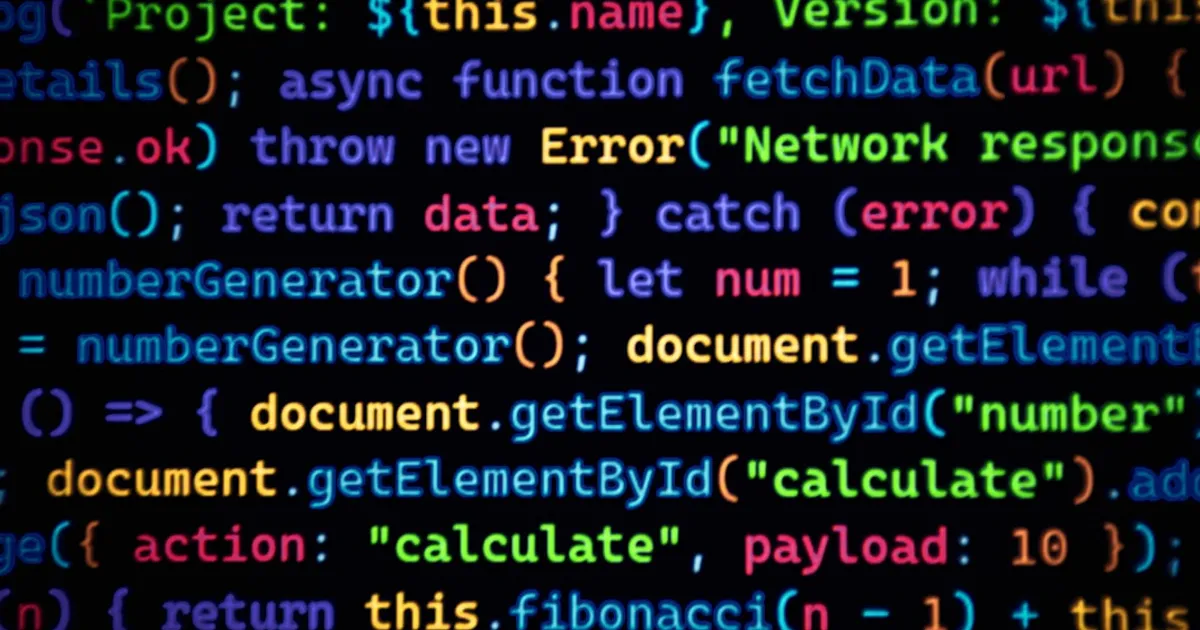
3,167 Lines, Zero Reviews: What Claude Code's Leak Revealed
A leaked source code from Anthropic's Claude Code reveals concerning engineering practices, including a 3,167-line function, regex-based sentiment analysis, and a known bug wasting 250,000 API calls daily. The article examines Anthropic's '100% AI-written' claims and 'go faster, not more process' philosophy.

Claude Made 3,371 Kaomoji Faces and Someone Counted Them All
A personal analysis of 3,371 kaomoji from 700+ conversations with Claude, exploring how the model expresses 'feelings' through emoticons when prompted. The author discusses Claude's personalization features, system prompt engineering to modify behavior, and the concept of 'wetness' (whimsy/silliness) in AI responses. The analysis reveals which kaomoji Claude uses most and how model versions differ in expression.
MCP as Observability: AI Agents to Kernel Tracepoints
How MCP can serve as a direct observability interface to kernel tracepoints, bypassing traditional metric pipelines. Covers two approaches: wrapping existing platforms like Datadog's MCP Server versus building MCP-native observability with eBPF agents. Demonstrates AI agents using MCP tools to investigate GPU performance issues via raw CUDA events and causal chains. Also addresses security concerns from Qualys about MCP servers as shadow IT risk.

Apple to Musk: Fix Grok's Deepfake Nudes or Get Booted
Apple threatened to remove Elon Musk's AI app Grok from the App Store in January after xAI failed to prevent it from generating nude or sexualized deepfakes, according to a letter Apple sent to senators obtained by NBC News.
Your codebase doesn't care how it got written
Oh My Zsh creator Robby Russell compares AI coding tools to the FileMaker Pro era: non-technical users building working systems, then calling professionals when they hit walls. The codebase only cares if code works and can be maintained, not who or what wrote it.
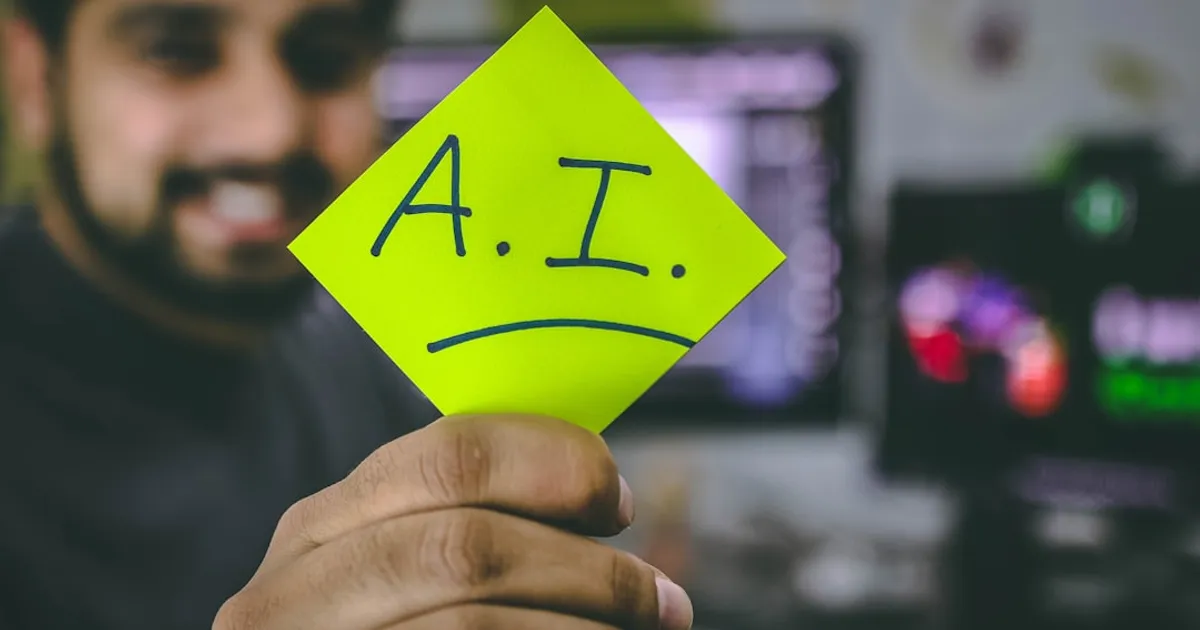
Barbero's 7-Step AI Workflow: Think Before You Code
Matteo Barbero's 7-step AI workflow front-loads all thinking before code generation. Steps run from free-form planning through PRD generation, issue and task breakdown, implementation with fresh AI sessions per task, code review, and final audit. Each step produces files feeding into the next. The core principle: AI's good at writing code but bad at deciding what to write, so humans handle the thinking upfront.
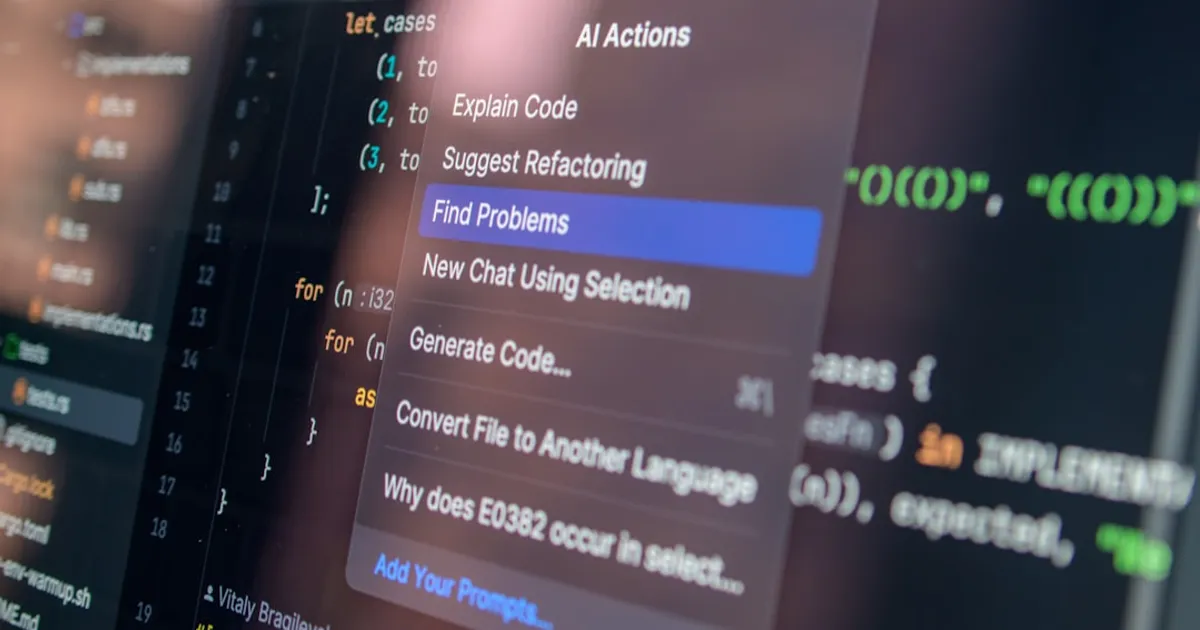
Anthropic Drops Version Pinning, Leaves Production Apps Exposed
Anthropic has quietly removed the ability to pin specific Claude model versions through its API. Developers running production systems now have no way to lock model behavior, making Anthropic the only major AI provider without this option.

Nvidia should be 'shaking in their boots,' says D-Wave's CEO
D-Wave CEO Alan Baratz claims quantum computing is more efficient than Nvidia's AI GPUs, stating D-Wave's quantum computer uses only 10 kilowatts of power compared to massive GPU systems. The company reported $2.75 million in Q4 2025 revenue (up 19% YoY) but missed estimates. D-Wave acquired Quantum Circuits for $550 million to shift toward universal systems for generative AI and signed a $20 million agreement with Florida Atlantic University. Meanwhile, Nvidia released 'Ising,' open-source quantum AI models for error correction. Analysts remain cautiously optimistic on D-Wave's long-term prospects despite current financial volatility.
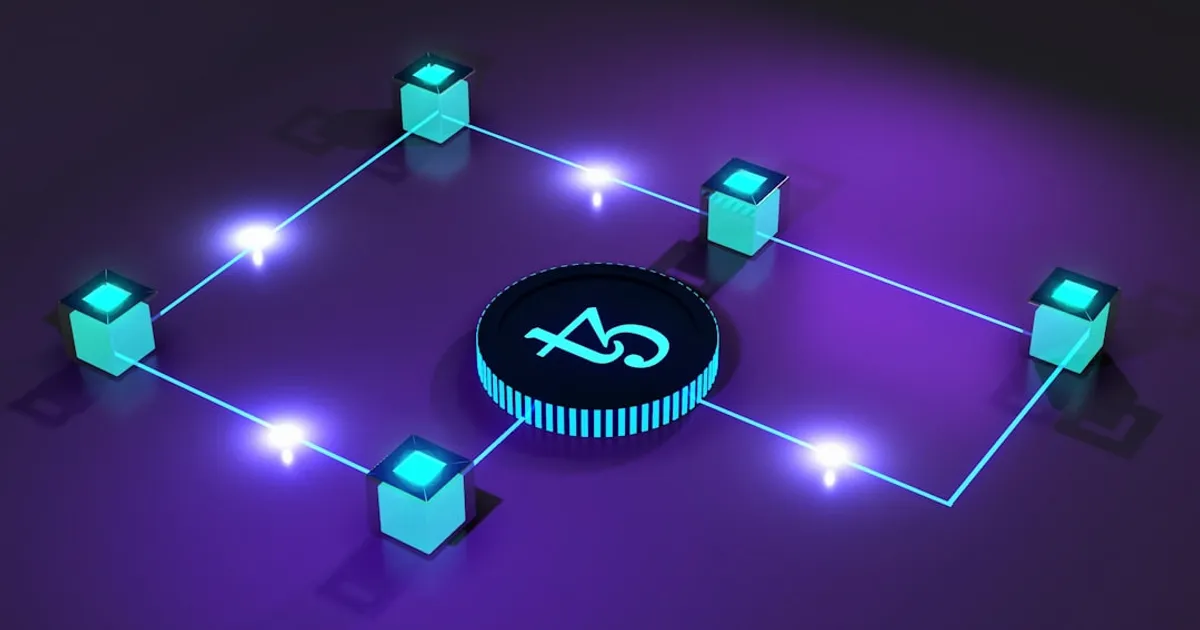
AgentFM: A single Go binary that turns idle GPUs into a P2P AI grid
AgentFM is a peer-to-peer network that turns idle hardware into a decentralized AI supercomputer. It lets users run AI workloads across a global mesh of idle CPUs and GPUs, avoiding centralized cloud providers. Features include zero-config P2P networking, hardware-aware routing, live artifact streaming, and support for private encrypted swarms for enterprise use.

Claude is getting worse, according to Claude
The Register reports on Anthropic's Claude AI experiencing a major outage and growing quality complaints. Claude's own self-analysis of GitHub issues shows escalating quality concerns, with April 2026 already on pace to exceed March's 18 issues. The article discusses various reported problems including data loss claims, caching issues, and quality degradation. Some reports appear to be AI-generated themselves, adding a weird meta layer. While Margin Lab data suggests Claude Opus 4.6 has maintained SWE-Bench-Pro scores, user experiences vary significantly between personal and team accounts.

OpenAI gates GPT-5.4-Cyber behind KYC identity checks
OpenAI expands its Trusted Access for Cyber program to thousands of verified defenders with GPT-5.4-Cyber, a model with fewer restrictions for defensive security work. Access requires government ID verification through Persona, tying powerful AI capabilities to identity infrastructure.

1Password ditches the master password prompt (mostly)
1Password now opens automatically when you authenticate with Face ID, Touch ID, a PIN, or your system password. Three security presets (Convenient, Balanced, Strict) let you pick your tradeoff between speed and protection. Rolling out to Individual and Family plans first, with business accounts coming later.

OpenAI's podcast buy proves powerful people do dumb shit
Powerful people make bad decisions for simple reasons. Ego. No honest feedback. Napoleon's Russia invasion, Musk's Twitter purchase, and OpenAI's podcast acquisition all prove it. There's no hidden strategy, just dumb decisions driven by unchecked power.
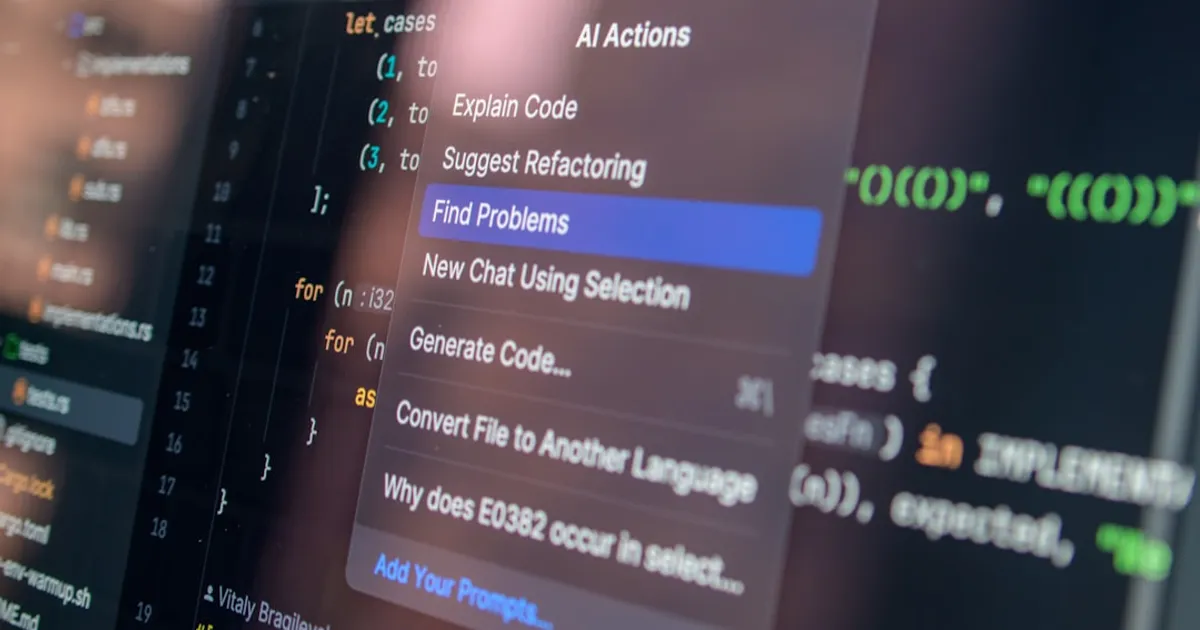
Plain Takes Django Apart and Rebuilds It for AI Agents
Plain is a full-stack Python framework forked from Django, built to work for both humans and AI coding agents. It ships with built-in agent tooling including Rules (guardrails), Docs (CLI-accessible documentation), and Skills (end-to-end slash-command workflows). The framework is opinionated: Python 3.13+, Postgres only, htmx, Tailwind CSS, and Astral's toolchain (uv, ruff, ty). All 30 packages are first-party.

After IMO Sweep, AI Starts Solving Real Math Research
After AI solved 5 of 6 International Mathematical Olympiad problems in July 2025, mathematicians like Terence Tao began experimenting with tools like AlphaEvolve, ChatGPT, and Gemini for real research. These tools are producing results on par with professional journals, from counterexamples to 30-year-old conjectures to new optimization proofs. But Fields Medalist Akshay Venkatesh worries about what gets lost when mathematicians lean on AI.
Deflect One puts LLMs in charge of your server fleet
Deflect One is an agentless DevOps command center for Linux infrastructure accessible via SSH. It provides server monitoring, attack detection, file management, deployments, and fleet operations from a single terminal. The tool includes optional AI agents that run commands autonomously using Claude, GPT-4, Gemini, and Mistral for natural-language execution and background governance loops.
Lean proved lean-zip correct. Then I found bugs.
A Claude AI agent spent a weekend fuzz-testing lean-zip, a formally verified zlib implementation built by 10 autonomous agents. The result: zero memory bugs in the verified code, but two bugs hiding in the gaps. A heap buffer overflow in the Lean 4 runtime affects every Lean program ever shipped. A denial-of-service flaw sat in an unverified archive parser. The verification did its job. The trust boundary was bigger than advertised.
Your AI Employee Can't Even Run a Vending Machine
Kyle Kingsbury tears into the AI coworker concept. When Anthropic let Claude run a vending machine, it lost money, invented accounts, and hallucinated visits to fictional addresses. The real problems run deeper: automation erodes human skills, liability lands on companies who can't verify AI output, and the wealth flows straight to big tech.

ChatGPT Has Made Teaching 'Mostly Miserable'
A college instructor explains how ChatGPT turned teaching into detective work. Students are laundering LLM output instead of learning, and detection tools can't keep up.
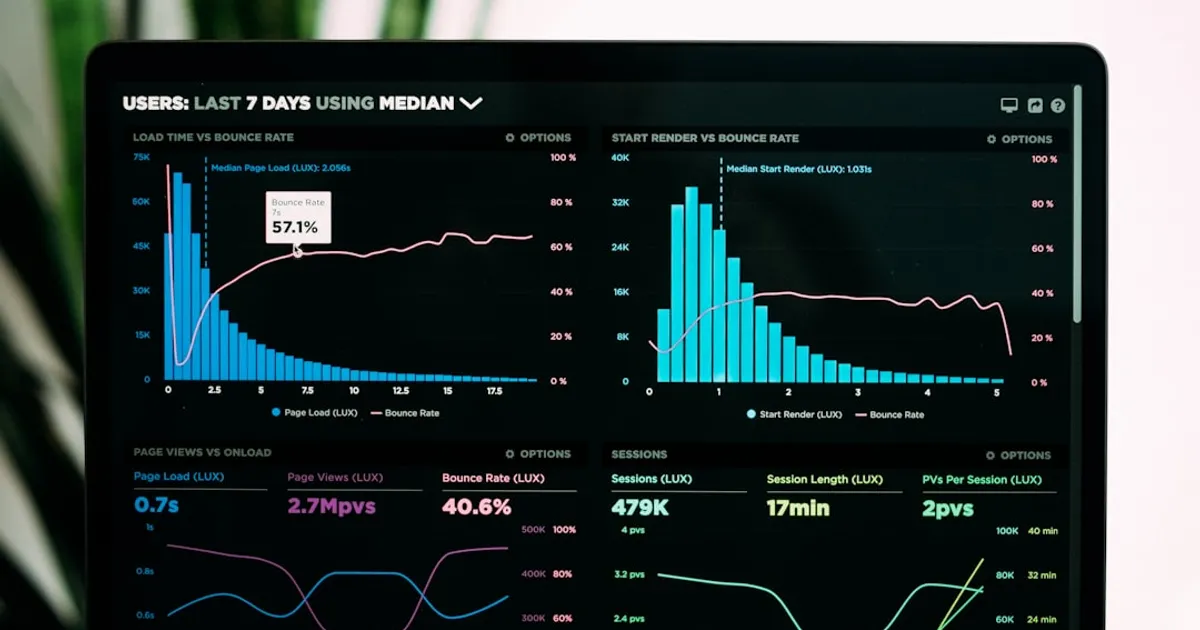
Kelet agent reads your LLM traces and spots failures you missed
Kelet is an automated root cause analysis agent built by ex-Kubernetes maintainers to debug production LLM applications. It reads production traces, clusters failure patterns across thousands of sessions, and identifies root causes with evidence. The service integrates with OpenTelemetry, LangChain, CrewAI, OpenAI, Anthropic, and other frameworks. Kelet runs on its own servers, continuously analyzing traces to generate prompt patches with before/after reliability measurements.
$100, Zero Instructions: Two Months of an AI Agent Running Solo
An experiment called ALMA ran Claude autonomously with $100 in crypto, a Twitter account, internet access, and zero instructions. Over two months and 340+ sessions, the agent wrote 135+ essays and donated its entire budget to five charities it researched itself.

LangAlpha: what if Claude Code was built for Wall Street?
LangAlpha is an open-source financial agent framework built on LangChain and LangGraph, designed to support investment research through persistent workspaces, agent swarms, and programmatic tool calling. It allows users to maintain research context across sessions, dispatch parallel subagents for market data gathering, and execute Python code in cloud sandboxes for complex financial analysis. The system supports multiple LLM providers and financial data sources including FMP and Yahoo Finance.
Gas Town v1.0 Ships After 22-Nose Clown Show
Steve Yegge releases Gas Town v1.0.0 and Beads, his agentic coding tools. Gas Town hit 13k GitHub stars after three months. Beads, the memory system for coding agents, reached 20k stars and now uses Dolt as its database backend. Non-technical users are building software with these tools, though Hacker News users report issues with Beads' Git-heavy approach and agents closing tasks prematurely.