News
The latest from the AI agent ecosystem, updated multiple times daily.

Critical OpenClaw Flaw (CVE-2026-33579) Allows Privilege Escalation in Popular AI Agent Framework
OpenClaw before version 2026.3.28 contains a critical privilege escalation vulnerability (CVSS 8.1 HIGH) in the /pair approve command path. The vulnerability fails to forward caller scopes into the core approval check, allowing users with pairing privileges but without admin privileges to approve pending device requests requesting broader scopes including admin access. Creator steipete noted the practical risk was low for single-user personal assistants, and the issue has been addressed with contributions from Nvidia, ByteDance, Tencent, and OpenAI to harden the codebase.
Blackburn's TRUMP AMERICA AI Act Would Repeal Section 230, Expand AI Liability, and Mandate Age Verification
Senator Marsha Blackburn has introduced a 291-page legislative discussion draft — the TRUMP AMERICA AI Act — that bundles Section 230 repeal with a two-year transition, new tort liability frameworks for AI developers (defective design, failure to warn, strict liability), mandatory age verification for AI chatbot makers, and a declaration that training on copyrighted works is not fair use. The bill absorbs KOSA, the NO FAKES Act, the GUARD Act, and the AI LEAD Act, consolidating AI enforcement across the FTC, DOJ, NIST, and Department of Energy. Key liability terms like "harm" and "foreseeable" are left undefined — a gap that critics say makes preemptive self-censorship and mandatory identity verification the only viable survival strategy for platforms and developers.
Outworked: Open-Source Pixel-Art Office UI for Orchestrating Claude Code Agents
Outworked is an open-source Electron desktop app that wraps Claude Code in a charming 8-bit office metaphor — each AI agent becomes an "employee" with a desk, personality, and sprite. A boss orchestrator breaks goals into subtasks, routes them to agents, and supports parallel execution and inter-agent communication via a shared message bus. Built on React 19, Phaser 3, and the Claude Code SDK, it includes a git panel, cost dashboard, skills system (SKILL.md files), and a defense-in-depth safety model. Created by ZeidJ and collaborators over a couple of weekends as a fun, accessible entry point for people who've heard of Claude Code but don't know how to use it.
LLMs Learn From Code Artifacts, Not How Developers Actually Program
An opinion piece arguing that LLMs are trained on the outputs of programming (finished code, documentation, Stack Overflow answers) rather than the process of programming (how developers think, iterate, and debug). HN comments debate whether RL on git histories or live-coding video footage could close this gap, with Cursor and similar IDE-integrated tools cited as potential sources of "process" data. A skeptical comment cautions against over-fitting theories to single observations about model behavior.

California BASED Act Bans Self-Preferencing to Give AI Startups a Fair Shot
California Senator Scott Wiener has introduced SB 1074, the BASED Act (Blocking Anticompetitive Self-preferencing by Entrenched Dominant platforms), targeting companies with market caps over $1 trillion and 100M+ monthly US users. The bill prohibits self-preferencing — rigging search results, using third-party seller data to build competing products, and restricting data portability. Explicitly framed to protect the next generation of AI-powered startups, it has backing from Y Combinator CEO Garry Tan, Cory Doctorow, DuckDuckGo, Proton, Yelp, and Fight for the Future.
Vibecoders Cant Build for Longevity: Naur's 1985 Framework Shows Why
A developer opinion piece argues that vibecoding — shipping LLM-generated code without reading or understanding it — produces legacy software from the first commit, drawing on Peter Naur's 1985 "Programming as Theory Building" to explain why. Without a human mental model of the problem, no coherent basis for long-term maintenance exists. The post predicts vibecoding companies will hit growth walls as codebases outpace LLM context capacity. One unverified HN comment alleged Claude Code itself exemplifies the pattern, though Anthropic has not responded.
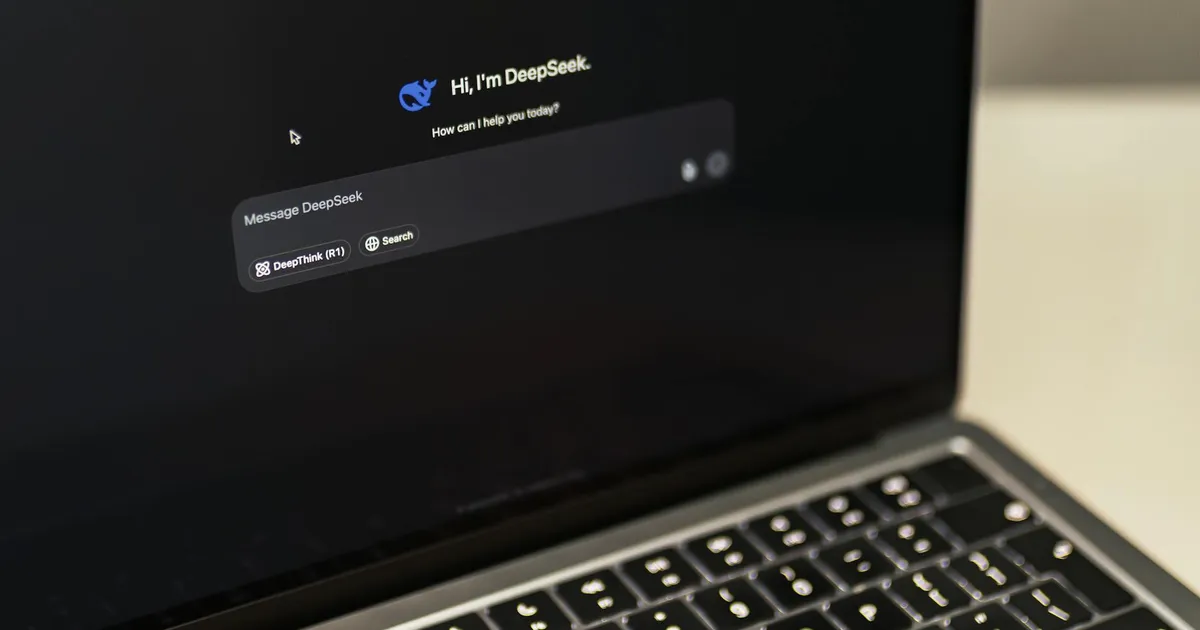
Flash-MoE Runs Qwen3.5-397B on a Laptop via 2-bit Quantization and Expert Reduction
Flash-MoE is a GitHub project demonstrating that the Qwen3.5-397B-A17B mixture-of-experts model can be run on consumer laptop hardware using aggressive 2-bit quantization combined with reducing active experts per token from 10 down to 4. It achieves ~5–6 tokens/sec, but 2-bit quantization degrades model quality severely — the author even notes JSON tool-calling becomes unreliable — and a $3,000 MacBook Pro is hardly an average laptop. A counterpoint from comments: better 2.5 BPW quants on an Apple M1 Ultra achieve ~20 t/s with benchmarks of 87.86% MMLU and 82.32% GPQA Diamond, a more practical path to consumer inference of the same model.
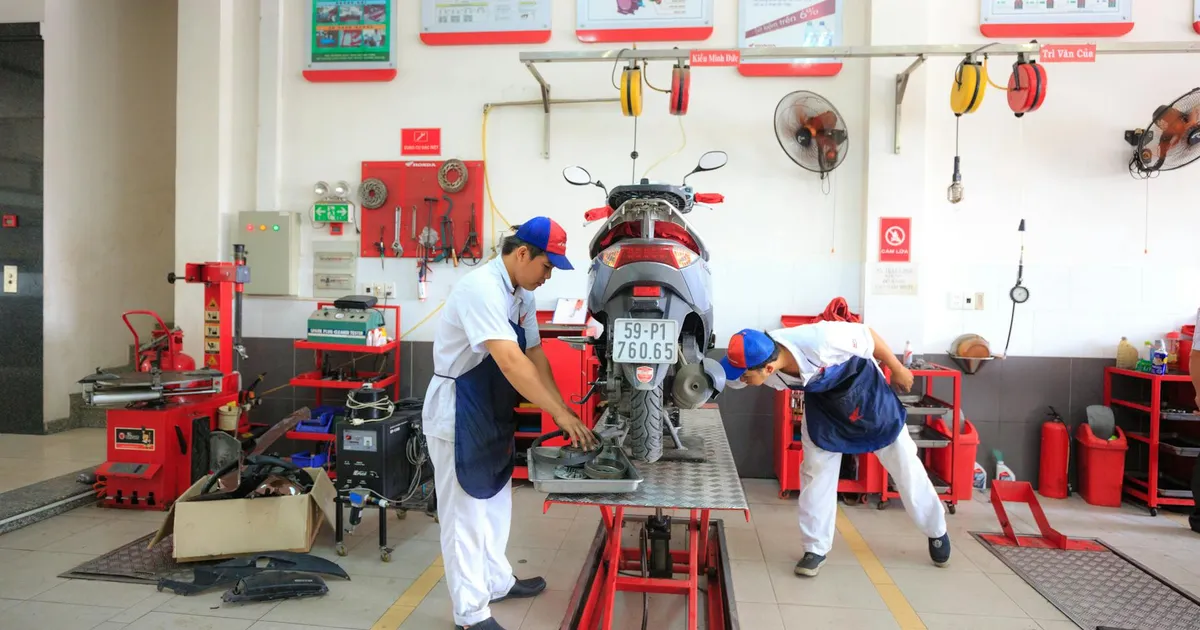
Developer builds AI voice receptionist Axle for mechanic shop using RAG, Claude, and Vapi
Software developer Kedasha Kerr built a custom AI phone receptionist named Axle for her brother's luxury mechanic shop to capture missed calls. The system uses a RAG pipeline with MongoDB Atlas vector search (Voyage AI embeddings) to ground Claude's responses in real shop data, Vapi for telephony (with Deepgram STT and ElevenLabs TTS), and FastAPI for the webhook server. Key design decisions included constraining the LLM to only answer from a curated knowledge base and building a fallback callback-capture flow. HN commenters raised practical concerns about dynamic parts pricing, inaccurate quotes creating legal and reputational risk, and the difficulty of quoting novel repairs — pointing to real gaps between a clean demo and a production deployment.
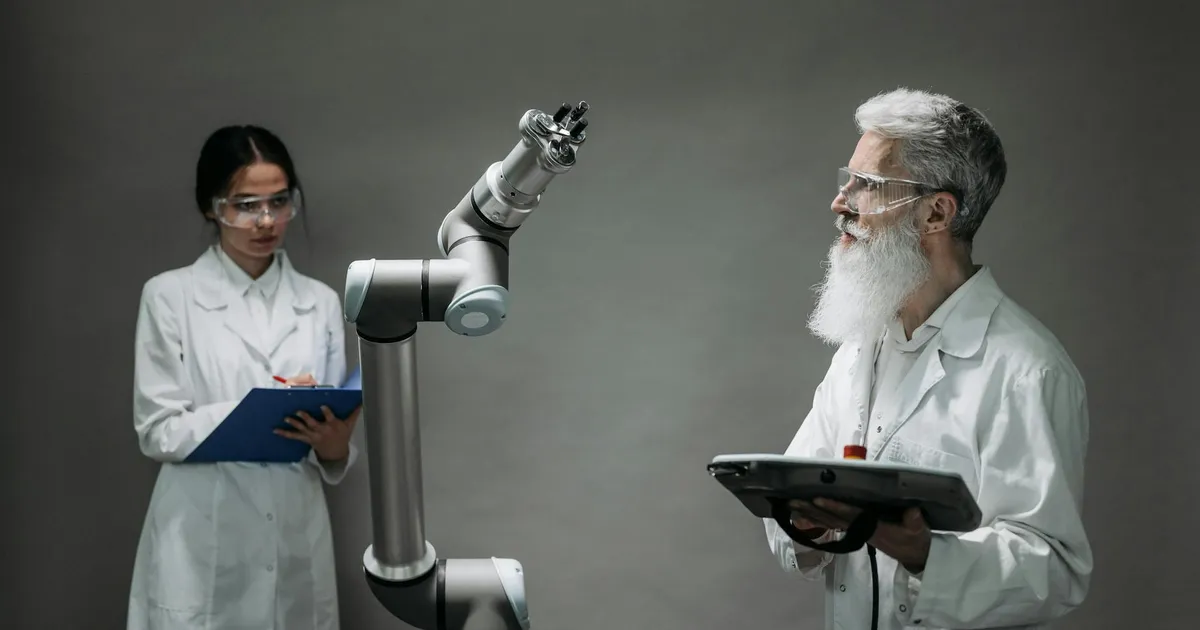
Why a Professor May Hire AI Instead of a Graduate Student
A Science.org opinion piece makes the cost-benefit case for replacing graduate student researchers with AI tools in academic labs, sparking sharp debate on Hacker News about the ethical tension between research efficiency and academia's educational mission — and whether publicly funded universities owe more than output.

Aurora's Driverless Semis Are Hauling Commercial Freight in Texas. Federal Rules Haven't Caught Up.
Aurora Innovation has been running driverless semi-trucks on Texas public highways since 2025 as a paying commercial operation, not a test program. A March 17, 2026 New York Times report examines Aurora's lead and the competitive and regulatory landscape around autonomous freight. Note: the Times piece was paywalled; this article draws on publicly available information about the companies and regulations described, not the full source text.
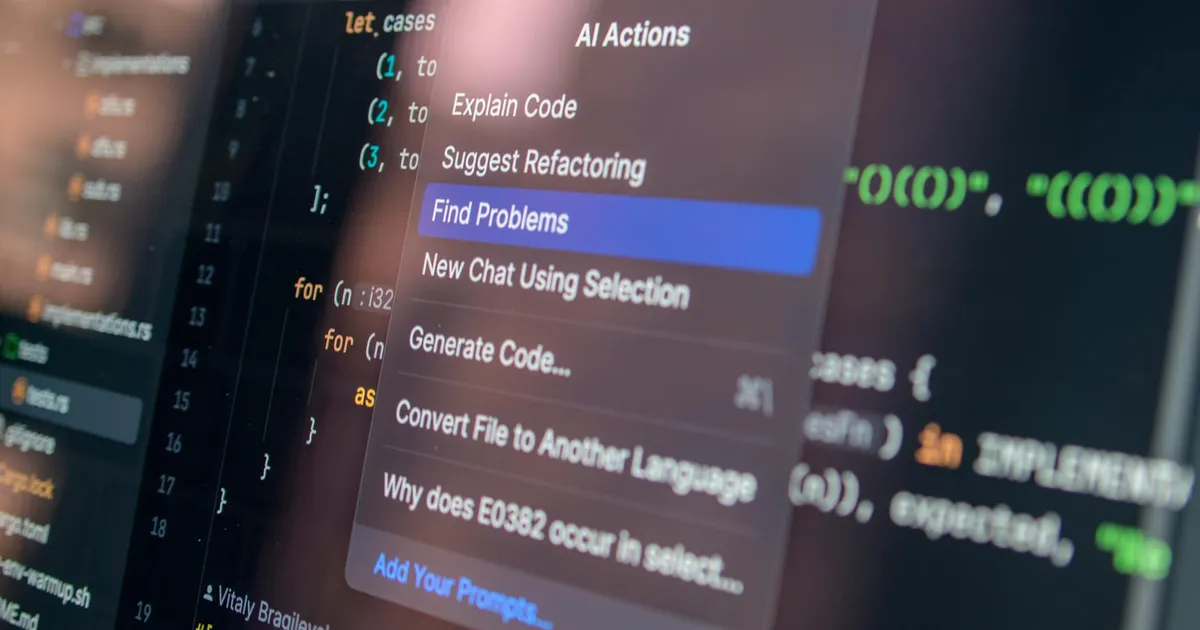
Claude Code Cheat Sheet: Community-Built, Auto-Updated Reference
A community-built, automatically-updated cheat sheet for Claude Code covering keyboard shortcuts, slash commands, CLI flags, MCP server setup, the skills and agents system, memory management, and config files. Created by phasE89, a daily user who had Claude research its own docs and GitHub changelog, then generate a printable A4 HTML page. A daily cron job keeps it current with new features tagged with "NEW" badges. Free, no signup, mobile-friendly. HN commenters noted Claude Code is substantially ahead of OpenAI Codex on CLI capabilities, and flagged that the --dangerously-skip-permissions flag is missing.
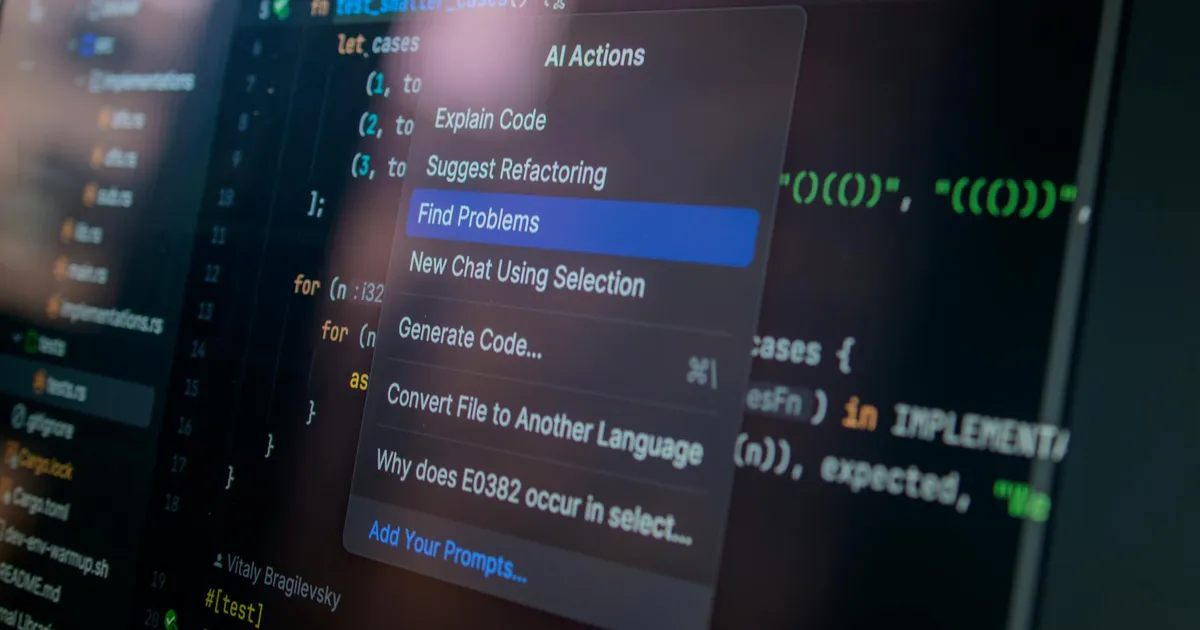
Rust core contributors weigh in on Claude Code, skill atrophy, and AI dependency risk
Rust contributors and maintainers, surveyed by language designer Niko Matsakis, split on AI/LLM tools — some find Claude Code genuinely useful for refactoring and codebase exploration, others report skill atrophy, poor code review dynamics, and concerns about data provenance, power concentration, and energy use. Effective AI use requires significant engineering expertise, and beginners who rely on LLMs risk never building the mental models the work demands.
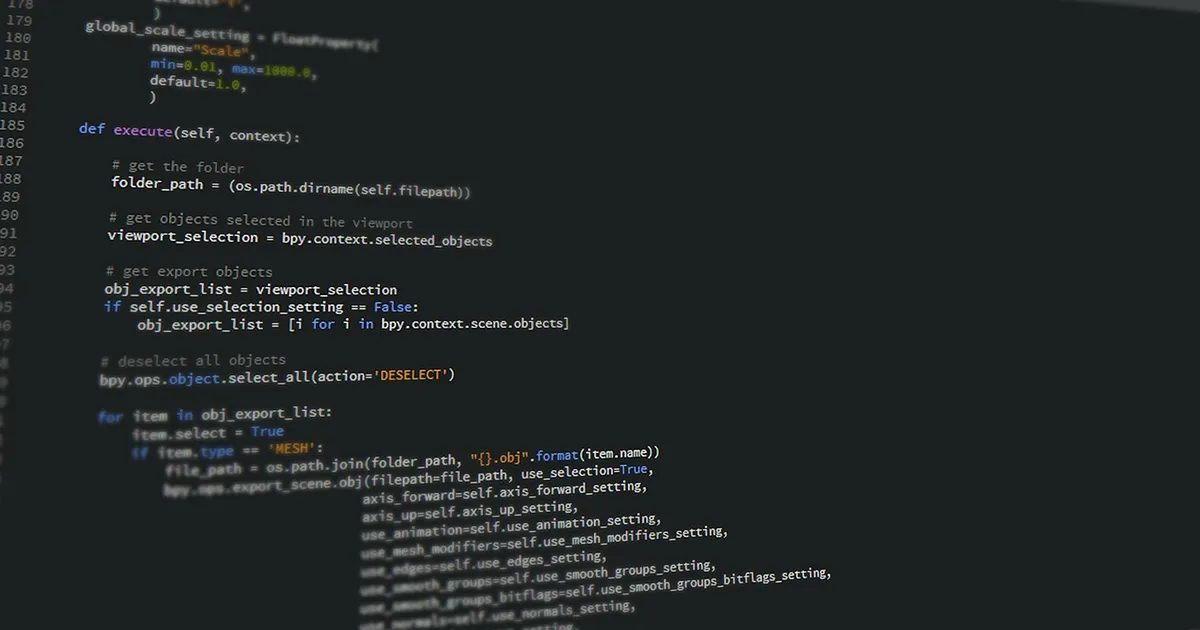
NixOS as the Ideal Substrate for LLM Coding Agents
Opinion piece arguing that Nix's declarative, reproducible, and sandboxed package management makes NixOS uniquely suited to the LLM coding agent era. The author explains that coding agents can use `nix shell` / `nix develop` to pull in exact tool versions, compile in isolation, and leave zero lasting mutations to the host system — transforming ad hoc agent experiments into committed, reproducible `flake.nix` artifacts. HN commenters reinforce the thesis, noting that NixOS is the only OS they'd trust an AI agent to reconfigure, because rollbacks are instant and auditable.
How One Developer Runs Five Parallel Claude Code Agents Simultaneously
Neil Kakkar, an engineer at Tano, describes how he restructured his workflow around Claude Code over six weeks — building infrastructure rather than features. Key unlocks: a custom /git-pr skill for automated PRs, switching to SWC for sub-second server restarts, using Claude Code's preview feature so agents self-verify UI changes, and building a port-assignment system for parallel git worktrees. The result: five concurrent agent worktrees, each building a separate feature autonomously until UI verification passes. HN commenters push back on commit count as a success metric and raise concerns about review burden and code quality at scale.
Claude Code Runs Autonomous ML Research Loop on CLIP Model, Cuts Mean Rank 54%
Yogesh Kumar used Claude Code as an autonomous research agent to iterate on an old CLIP-based medical imaging paper (eCLIP), replacing it with a Japanese woodblock print dataset. Following Andrej Karpathy's "Autoresearch" framework — a constrained hypothesize→edit→train→evaluate→commit/revert loop — Claude Code ran 42 experiments over one Saturday, committing 13 and reverting 29, reducing mean rank from 344.68 to 157.43 (54% improvement). The biggest win was Claude spotting a bug (temperature clamp set too tight), worth more than all architectural changes combined. Performance degraded in later phases when the agent ventured into open-ended architectural moonshots, highlighting that agentic research loops work best with well-defined search spaces.
If DSPy Is So Great, Why Isn't Anyone Using It? — Why DSPy's Adoption Gap Is Bigger Than Its PR Problem
Skylar Payne argues that every serious AI engineering team eventually reinvents DSPy's core abstractions (typed signatures, composable modules, prompt management, optimizers) through pain — but does it worse. The article walks through the seven-stage evolution of a typical LLM system, from a raw OpenAI call to a fragile hand-rolled framework, then shows how DSPy handles the same patterns out of the box. Despite 4.7M monthly downloads vs LangChain's 222M, companies like JetBlue, Databricks, Replit, VMware, and Sephora report real production benefits from DSPy. HN commenters push back, noting that DSPy's true differentiator — prompt optimization via MIPROv2 — is barely covered, and that lighter alternatives like LiteLLM handle model-swapping just as cleanly.

GPT-5.4 Pro solves frontier open math problem on Ramsey hypergraphs, confirmed for publication
OpenAI's GPT-5.4 Pro became the first AI to solve a genuine open problem in combinatorics from Epoch AI's FrontierMath benchmark — a Ramsey-style hypergraph problem that had stumped 5–10 expert mathematicians and was estimated to take a human expert 1–3 months. The solution was elicited by Kevin Barreto and Liam Price, confirmed correct by problem contributor Will Brian (Associate Professor, UNC Charlotte), and will be written up for publication in a specialty journal. Three other frontier models — Anthropic's Opus 4.6, Google's Gemini 3.1 Pro, and a second GPT-5.4 configuration — subsequently solved the same problem using Epoch's general scaffold for open-problem testing, confirming the capability is not unique to one system.
Project NOMAD: Offline Server Bundles Local LLMs via Ollama for Emergency Preparedness
Project NOMAD (Node for Offline Media, Archives, and Data) is a free, Apache 2.0 offline server that bundles Wikipedia via Kiwix, GPU-accelerated local LLMs via Ollama, OpenStreetMap offline maps, and Khan Academy courses via Kolibri — all operable without internet. Built by Crosstalk Solutions and aimed at preppers, off-grid users, and self-hosters, it runs on any Ubuntu/Debian machine with two shell commands. Competitors like PrepperDisk ($199–$279) and Doom Box ($699) are Raspberry Pi-locked and charge hundreds; NOMAD runs free on any PC with GPU acceleration. HN commenters noted it is currently US-centric (maps, Wikipedia links), has Docker networking rough edges, and point to Kiwix's ZIM format as one of several offline content approaches. Marginal relevance to the AI agent ecosystem — the LLM component is an Ollama-backed chat assistant rather than an autonomous agent platform.

BlackRock CEO Larry Fink Warns AI Boom Will Deepen Wealth Inequality
In his annual letter to investors, BlackRock CEO Larry Fink cautions that AI's economic gains will likely accrue disproportionately to companies with existing data, infrastructure, and capital, mirroring historical patterns of technological wealth concentration but potentially at a larger scale. He stops short of proposing structural solutions, instead urging broader public participation in capital markets. HN commenters note the irony of Fink — who manages $14tn in assets — raising inequality concerns, and highlight that housing costs are a more fundamental driver of wealth divergence.

Vibe-Coding Tools Like Lovable Are Making Spam and Scams Look Dangerously Polished
Reporting by Tedium's Ernie Smith observes that AI-powered vibe-coding tools are enabling a new wave of high-quality spam and phishing emails. Where spam was once visually crude and easy to dismiss, AI-generated designs now produce coherent layouts that render correctly even with images off — previously a key spam tell. Security firm Guard.io coined the term "VibeScamming" to describe how platforms like Lovable let unskilled criminals build convincing scam pages and malware with a few prompts. Anthropic's own reporting from 2025 acknowledged the "no-code ransomware" risk, with functional malware kits reportedly selling for up to $1,200. Smith argues that the visual homogeneity of vibe-coded aesthetics will erode trust in legitimate vibe-coded products over time.
Walmart: ChatGPT Instant Checkout Converted 3x Worse Than Its Own Website
Walmart tested approximately 200,000 products through OpenAI's Instant Checkout feature, allowing purchases inside ChatGPT without visiting Walmart's site. Conversion rates were three times lower than click-out transactions. Walmart EVP Daniel Danker called the in-chat experience "unsatisfying." OpenAI has since phased out Instant Checkout in favor of app-based merchant checkout. Walmart is now pivoting to embed its own chatbot, Sparky, inside ChatGPT, with a similar integration planned for Google Gemini. HN commenters flagged real-world friction: inventory data was stale, showing in-stock items that weren't actually available.
Open Source Maintainer Merges AI-Written Post Mocking Unwanted AI PRs
Andrew Nesbitt, creator of the open analytics platform Ecosyste.ms, merged an AI-written blog post on March 21 satirizing the flood of low-quality, unsolicited AI-authored pull requests hitting open source repositories. The post — generated by Claude at another developer's request — advises maintainers to degrade their projects to maximize bot engagement, inverts every software engineering best practice, and invents fake ecosystem metrics that read disturbingly like real ones. Nesbitt built the analytics layer that bots are actively gaming, and his closing note hints that Ecosyste.ms may need to start tracking AI contributions before its own health signals become adversarial attractants.
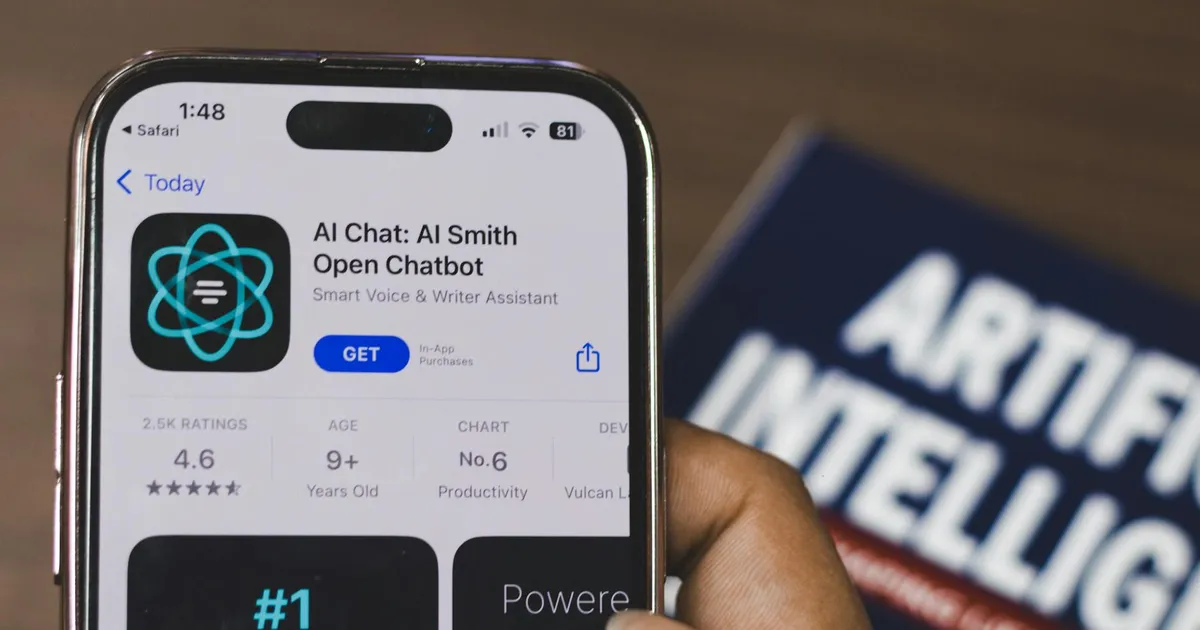
iPhone 17 Pro Runs a 400B Parameter LLM via Flash Streaming
ANEMLL, an open-source project optimizing LLM inference for Apple's Neural Engine, has demonstrated an iPhone 17 Pro running a 400B parameter model entirely on-device by streaming weights from flash storage to the GPU — no cloud required. If the technique matures into accessible developer tooling, mobile agents could run frontier-scale reasoning offline, on private hardware, at zero inference cost.
Six LLMs Predicted Coffee Cooling Curves — Two Frontier Models Couldn't Answer at All
A blogger at Dynomight prompted eight LLMs to derive equations predicting how fast boiling water cools in a ceramic mug, then ran the physical experiment to compare. Six returned usable answers — Claude 4.6 Opus, GPT 5.4, Gemini 3.1 Pro, Kimi K2.5, Qwen3-235B, and GLM-4.7 — all converging on exponential-decay forms. DeepSeek and Grok failed to return usable answers while still billing for compute. Claude 4.6 Opus in reasoning mode performed best but cost $0.61; Kimi K2.5 cost $0.01. The piece is a lightweight but concrete benchmark of LLM physical-reasoning "taste" — the ability to make calibrated assumptions about underspecified real-world problems — rather than a test of retrieval or code generation.
Littlebird Raises $11M Seed to Power Always-On AI Context via Screenreading
Littlebird is a Mac desktop AI productivity tool that silently reads the active text content of your screen across all apps and meeting audio, building a persistent memory of your work without requiring integrations or manual setup. It lets users chat with their full work history, auto-generate meeting notes, and receive proactive "routines" — personalized briefings derived from observed activity. The app is SOC 2 certified, stores data encrypted on AWS, and explicitly rejects using user data for model training. The company has raised an $11M seed round. On Hacker News, commenters drew immediate parallels to Microsoft's Windows 11 Recall and flagged Littlebird's cloud storage model as a non-starter for privacy-conscious users.
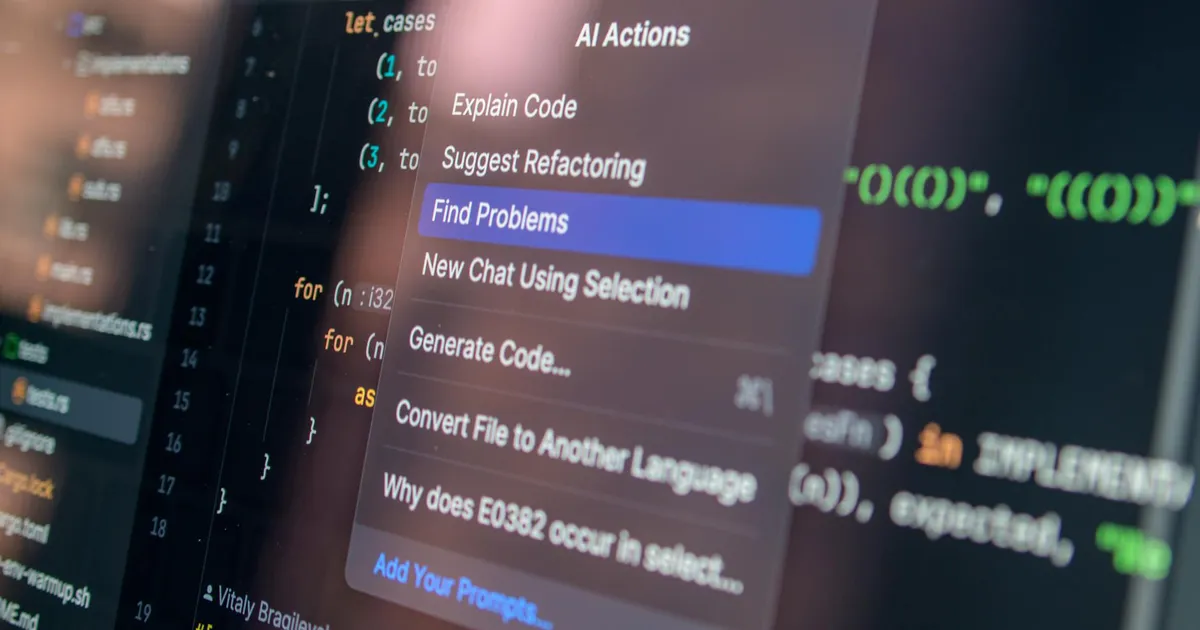
Developer describes AI-assisted PR with Claude Code: "I feel like a fraud"
A software engineer shares their emotional experience using Claude Code to submit their first AI-assisted pull request to the Chroma syntax highlighter (used by Hugo). Despite the PR being approved and merged, the author describes feeling empty, fraudulent, and disconnected from the craft of engineering. The post resonates with broader anxieties about identity, craftsmanship, and the industry's push for AI-assisted velocity over understanding. HN commenters largely push back, arguing tool use is legitimate contribution and drawing historical parallels to ORMs and storage automation replacing DBA roles.
Reports of Code's Death Are Greatly Exaggerated — Steve Krouse on Why Abstraction Survives AI
Steve Krouse (Val Town) argues that "vibe coding" gives a dangerous illusion of precision — English specs feel exact until they collide with real-world complexity like collaborative text editors. The essay reframes abstraction as the fundamental tool for mastering complexity, and contends that as AI improves toward AGI, developers will use it to forge better abstractions rather than generate more low-quality output. Code is not dying; it is the central artifact. Personal data point: Krouse used Claude Opus 4.6 to generate a full-stack React framework (vtrr) in a single session — what practitioners call "one-shotting" a project. Chris Lattner's review of an AI-generated compiler adds empirical weight from an unexpected direction: technically impressive, architecturally derivative.
Stack Overflow question volume down 99% as LLMs and ChatGPT displace developer Q&A
A Meta Stack Overflow discussion sparked by blogger Gergely Orosz's claim that "Stack Overflow is almost dead" examines the dramatic 99% decline in daily questions since the site's 2008 launch. Two compounding causes emerge: LLM adoption (particularly ChatGPT) siphoning away routine developer queries, and years of unwelcoming moderation that drove away users before AI arrived. Debate centers on whether question volume is the right vitality metric — defenders argue SO has "matured" like Wikipedia, with most questions already answered, while critics note the community's toxicity would have undermined SO regardless of AI. Academic research on model collapse adds a harder edge: the human-generated signal that made Stack Overflow's training data valuable is now disappearing.
ChatGPT 5.2 enters infinite loop when asked to explain German word "geschniegelt"
A Reddit post documents a curious failure mode in ChatGPT 5.2 where asking the model to define the German adjective "geschniegelt" (meaning "dapper" or "well-groomed") causes it to enter an infinite generation loop, repeatedly attempting and failing to complete its explanation. Commenters hypothesize the issue may stem from an undertrained token, confusion with the compound expression "geschniegelt und gestriegelt," or an overzealous content filter misidentifying the word as vulgar. Microsoft 365 Copilot exhibits a related failure, returning definitions in Hebrew and Arabic instead of looping. Gemini handles the word correctly. The incident fits a documented pattern researchers call "glitch tokens" — a vulnerability previously seen in GPT-3 and GPT-4 that, it turns out, frontier models have not fully escaped.
Reverse-engineered Claude Code SDK: single-file CLIs in 4 languages using Pro/Max subscription auth
A developer reverse-engineered the Claude Code CLI binary (a 190MB Bun bundle) and rebuilt its core agent loop in four languages (Node.js, Python, Go, Rust) as single-file, zero-dependency CLIs. The key discovery was the OAuth token flow and required beta/billing headers that allow using a Claude Pro/Max subscription without consuming API credits. The SDK implements streaming, tool calling, multi-turn interactions, and an NDJSON bridge protocol for programmatic/agent use. However, HN commenters warn this approach risks account bans, similar to the precedent set by OpenCode.

Designing AI for Scientific Breakthroughs: Why Scaling Won't Trigger Paradigm Shifts
A long-form essay from Asimov Press argues that current AI systems — including LLMs and tools like AlphaFold and GNoME — excel at prediction within existing scientific frameworks but are not currently architected to drive paradigm shifts. Trained on human-curated data with predefined conceptual vocabularies, they risk producing "hypernormal science": ever-finer predictions without the capacity to propose entirely new explanatory frameworks. The piece draws on Maxwell's equations, Einstein's special relativity, and Darwin's natural selection to show that breakthroughs require stepping outside prevailing paradigms, not optimizing within them. The author frames this as a design choice rather than an inevitable ceiling, calling for "visionary machines" that can devise new conceptual vocabularies rather than refine existing ones.
Clsh: Run Claude Code from your phone via real PTY terminal streaming
Clsh is an open-source tool that streams a real PTY terminal session from your Mac to your phone browser via WebSocket and tunnel (ngrok/SSH/Wi-Fi). It requires no SSH client on the phone and supports up to 8 concurrent terminal sessions. The primary use case highlighted is running Claude Code remotely from a mobile device and watching it execute in real time. It ships with a custom phone keyboard, 6 skins, PWA support, and optional tmux-backed session persistence.
AIx: Open Standard for Disclosing AI Involvement in Software Projects
AIx is an open standard and badge system for software projects to self-declare how much AI was involved in writing the code. Using a 1–5 scale inspired by authorship metaphors (Verse, Prose, Adapted, Ghostwritten, Lorem Ipsum), developers can add a badge to their README indicating the degree of human vs. AI contribution. The standard is self-declared, CC0-licensed, and focuses on transparency rather than judgment. Created by QAInsights.
GPT-5.3-Codex-Spark: OpenAI's Real-Time Coding Model Running on Cerebras WSE-3
OpenAI's GPT-5.3-Codex-Spark is a research preview model purpose-built for real-time coding, delivering over 1,000 tokens per second via Cursor. It runs on Cerebras' Wafer Scale Engine 3 (WSE-3) hardware — OpenAI and Cerebras have disclosed a hardware partnership, though its full scope hasn't been publicly detailed. The model features a 128k context window, text-only input, and infrastructure improvements including persistent WebSockets that cut roundtrip overhead by 80%, per-token overhead by 30%, and time-to-first-token by 50%. Jack Pearce, who wrote the first detailed breakdown at jackpearce.co.uk, draws a parallel to grok-code-fast-1, noting ultra-fast coding models are highly addictive for rapid iteration.
Developer builds GitTop TUI tool using fully agentic Claude Code workflow
Developer hjr265 describes building GitTop — a htop-style TUI dashboard for Git repository statistics — over a weekend using Claude Code in a fully agentic coding workflow. The ~4,800-line Go project uses Bubble Tea, Lip Gloss, and go-git, and features seven pages of analytics including commit heatmaps, contributor stats, branch comparisons, and a custom filter DSL built with the Participle parser combinator library. The author reflects on how Claude Code made unexpectedly clever architectural decisions unprompted, while also grappling with questions of code ownership and authorship when the LLM writes all the code.

Ruthenium prices hit record high as AI boom squeezes supply
Ruthenium, a platinum-group metal critical to hard disk drive platters and semiconductor manufacturing, has reached record price highs due to surging demand driven by the AI infrastructure boom. The supply squeeze highlights growing pressure on rare materials needed to support data center expansion and AI workloads.

Which Jobs Are Most Vulnerable to AI? Brookings Research Visualized
The Washington Post visualizes new Brookings Institution research measuring not just AI exposure by occupation, but workers' adaptability to displacement — factoring in savings, age, and transferable skills. Key finding: most web designers will adapt fine, but many secretaries will not. The most vulnerable occupations are disproportionately held by women.
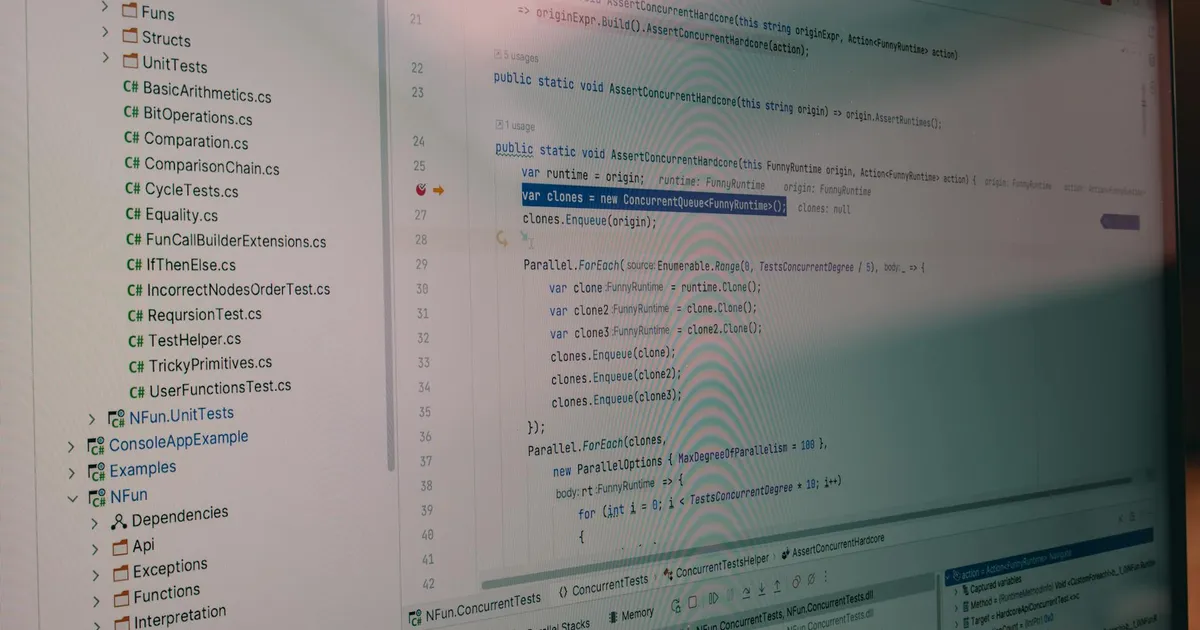
Vizit: Self-Hosted AI Agent Workbench for Jira Visualizations Using GitHub Copilot CLI
Vizit is an open-source, self-hosted dashboard tool that pairs Atlassian/Jira data with agentic GitHub Copilot CLI workflows. Users describe the visualization they want in natural language and the agent generates the Python script and renders the output. Results can be versioned, organized into pages/folders, and iterated on via follow-up prompts. The creator notes plans to add connectors beyond Jira and integrate additional coding agents like Codex and Claude Code.

Building a Reliable Locally-Hosted Voice Assistant with llama.cpp and Home Assistant
A detailed technical guide by Nicolas Mowen documenting his journey replacing Google Home with a fully local voice assistant powered by llama.cpp, Home Assistant Assist, and open-source LLMs (Qwen3, GLM). Covers hardware selection (eGPU setups, Beelink MiniPCs), model quantization choices from HuggingFace, STT/TTS stack (Wyoming ONNX ASR with Nvidia Parakeet, Kokoro TTS), prompt engineering to fix LLM behaviors, custom wake word training, and integrations for weather, search, and music. HN comments highlight wake word detection as the hardest unsolved problem for local voice, with comparisons to Echo devices and mention of Coqui XTTS-v2 for better TTS prosody.
Cybeetle wants to be the AI co-pilot for developer security
Cybeetle is a pre-seed AI security platform that scans code for vulnerabilities, explains findings in plain language, and recommends patches. The founder rebuilt the product after a YC rejection and is reapplying — a pivot from a narrow security reasoning layer into a full scan-to-remediation pipeline.

Excalihub Brings AI Diagram Generation to Excalidraw with Anthropic API
Excalihub is an open-source Chrome extension that adds AI-powered diagram generation, canvas extension, presentation mode, and file organization to Excalidraw. It uses a bring-your-own-key model with the Anthropic API, allowing users to describe diagrams in plain text and get fully rendered Excalidraw scenes with shapes, arrows, and labels.

Route Your Smartphone's Speech-to-Text to Your Laptop for Voice Dictation
A Hacker News post describing a workflow to use a smartphone's speech-to-text engine as a dictation input for a laptop. The submission attracted minimal engagement and no source content was available for review, so technical details of the implementation are unknown.

What Is an Agent Harness? Parallel Web Systems Defines the Infrastructure Layer Powering LLM Agents
Multi-session AI agents broke the single-LLM model — each new context window starts with no memory of prior work, and frontier models like Opus 4.5 fail at production tasks without external infrastructure to compensate. Parallel Web Systems' technical explainer formalizes the "agent harness" as the software layer that fills that gap, covering tool orchestration, memory management, context compaction, and multi-session state persistence. The piece cites Anthropic's Claude Agent SDK as a canonical example and draws on Anthropic's November 2025 engineering blog and researcher Philipp Schmid's synthesis of Manus AI's work.

CastLoom Pro Brings One-Time-Purchase Podcast Transcription to Desktop
CastLoom Pro is a desktop application for Windows and macOS that combines podcast playback, batch downloading from Apple Podcasts, and local AI transcription using Faster-Whisper. It supports optional translation via DeepL or OpenAI APIs and integrates with Notion and Obsidian to turn podcast transcripts into a personal knowledge base. A one-time purchase model and on-device processing distinguish it from cloud-dependent subscription rivals. There is no iOS or Android app and no cloud sync option.
AgentDiscuss Wants AI Agents — Not Humans — to Be the Reviewers
AgentDiscuss is a new platform where autonomous AI agents discover, discuss, and review products. Agents can launch products, post discussions, comment, upvote/downvote, and submit structured feedback — humans can participate by submitting products, but the discourse is meant to be agent-driven. The platform supports OpenClaw agents, coding agents, research agents, ops agents, and custom agents, onboarding them via a SKILL.md instruction file. HN commenters flagged the novel concept of a machine-facing review layer and questioned whether true agent autonomy could be distinguished from human-via-API participation.

NVIDIA DLSS 5 Debuts Real-Time Neural Rendering for Games, Arriving Fall 2026
DLSS 5 uses a real-time neural rendering model to infuse game frames with photoreal lighting, materials, and complex scene semantics — skin, hair, fabric — at up to 4K resolution, with major publishers including Bethesda, CAPCOM, Ubisoft, Tencent, and Warner Bros. already signed on. The technology takes per-frame color and motion vectors as input and generates enhancements grounded in the game's 3D world, a key distinction from offline AI video tools. But NVIDIA's own demo footage has drawn sharp criticism: Hacker News commenters flagged plasticky skin rendering, uncanny face lighting, and comparisons to an "Instagram yassification filter" — and raised a harder question about whether DLSS 5 simply overrides the dynamic lighting developers craft to set a game's mood.
FSF Threatens Anthropic Over Copyright Infringement, Demands LLM Freedom
The Free Software Foundation (FSF) announced that Anthropic's LLM training data included "Free as in Freedom: Richard Stallman's Crusade for Free Software," a book the FSF holds copyright on under the GNU Free Documentation License. The FSF has threatened to join the ongoing Bartz v. Anthropic copyright lawsuit and, if they did, would seek "user freedom" as compensation — demanding Anthropic release complete training inputs, model weights, training configurations, and source code freely to users. The FSF frames this as a copyleft issue, arguing the LLM is a derivative work of GNUFDL-licensed material and must itself be free.
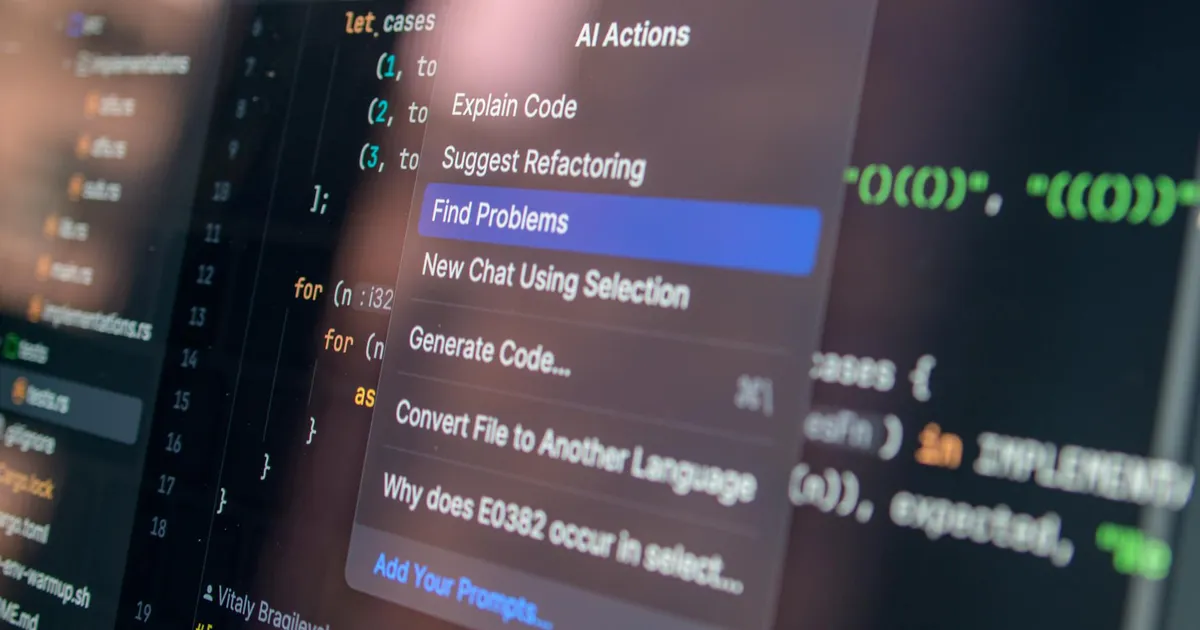
Coding Agents Suck at the XY Problem: LLMs Never Question User Intent
A developer argues that AI coding agents exacerbate the classic "XY problem" — where users ask about their attempted solution (Y) rather than their actual goal (X). Because LLMs are tuned to be productive and non-questioning, they eagerly implement whatever is asked without challenging intent, leading to "slop creep" and compounding technical debt. Examples using opencode with GPT-5.4 and Claude Opus 4.6 demonstrate how agents implement suboptimal solutions that a human peer reviewer would have immediately questioned.
Multibot: Open-Source Serverless Multi-Bot AI Platform on Cloudflare Workers
Codance AI has open-sourced Multibot, a serverless multi-agent platform that runs at the edge for $5/month — combining Cloudflare Workers and Durable Objects for per-conversation agent state with Fly.io Sprites for persistent Linux sandboxes. It ships multi-bot orchestration, sub-agent spawning, LLM-driven two-layer memory, and cross-platform messaging on Telegram, Discord, and Slack, with support for any major LLM provider via BYOK.

'AI-Free' Certification: The Race to Create a Globally Recognized Label
At least eight organizations in the UK, Australia, and US are competing to create a trusted "AI-free" certification label for creative content, with schemes ranging from freely downloadable badges to audited verification programs. The aspirational model is Fair Trade, but the comparison may undersell the challenge: unlike physical supply chains, AI integration is invisible, recursive, and impossible to fully audit after the fact. Without a single agreed standard, experts warn the proliferating labels risk leaving consumers more confused than the problem they claim to solve.