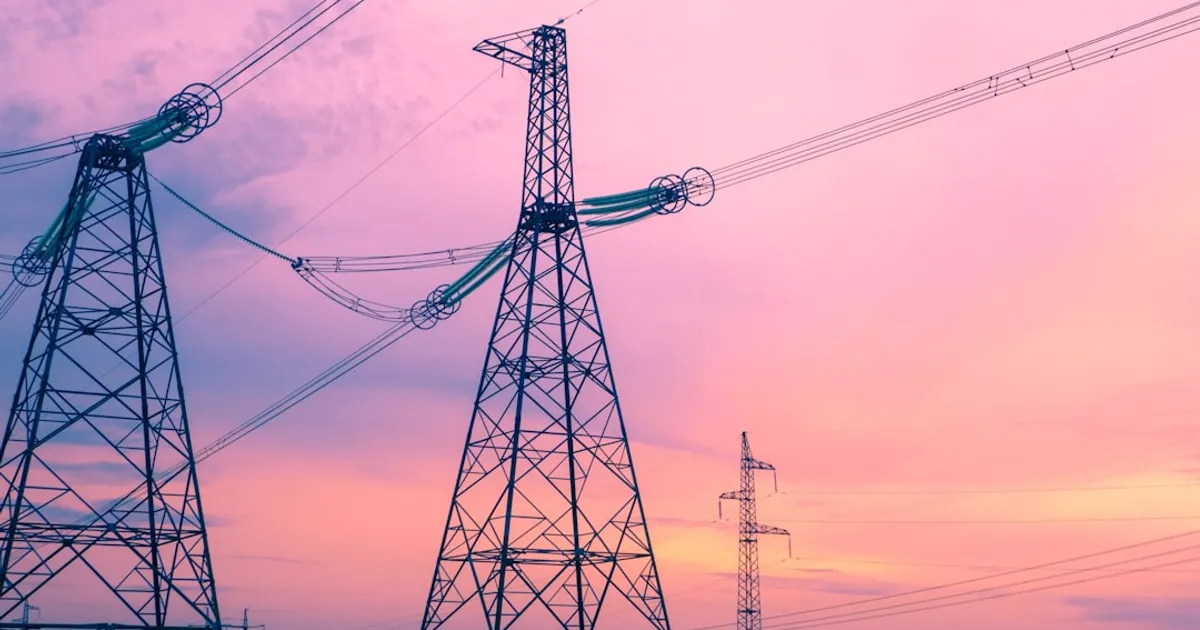
US electricity consumption will hit record highs in 2026 and 2027, and AI's the reason. The U.S. Energy Information Administration forecasts record power demand as data centers multiply to support AI workloads. U.S. data centers already consumed roughly 90 billion kilowatt-hours in 2022, about 2% of total electricity use. That's climbing fast.
The bottleneck has shifted from chips to infrastructure. Semiconductor technology moves fast. Power plants and transmission lines don't. And there's a catch: Hacker News commenters note that most new data center builds are currently stalled, stuck on logistical questions about where to put them and how to feed them electricity.
Big tech is betting on nuclear. Microsoft signed a deal with Helion Energy in 2023 to buy power from a fusion plant by 2028. Amazon backed X-energy's small modular reactor development. Google's exploring nuclear for its carbon-free energy push. Bill Gates' TerraPower started building its Natrium reactor in Wyoming last year, targeting operation by 2030. But don't hold your breath. NuScale Power got the first U.S. small modular reactor approval from the Nuclear Regulatory Commission in 2022, then canned its debut commercial project in Utah in 2023 because costs kept climbing.
The AI industry is bumping into physics. You can scale compute however you want, but those electrons need to come from somewhere.