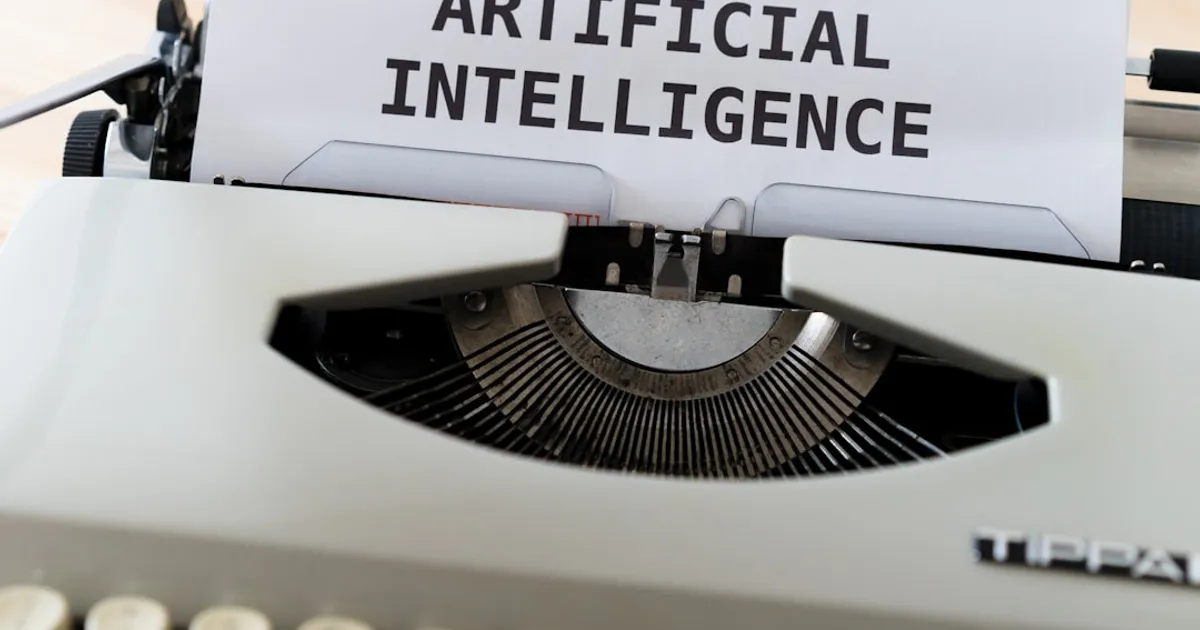
Historian Robert Zaretsky opens his essay with a confession: he worries that The American Scholar will one day ask Anthropic's Claude, not Robert, to write about AI and the future of work. He's not alone. Pew Research finds 64% of Americans think AI means fewer jobs. Only 17% think it will make life better. Zaretsky found an unexpected ally in that optimistic minority: Paul Lafargue, Karl Marx's son-in-law, who wrote a pamphlet called "The Right to Be Lazy" while sitting in a Parisian prison in 1883.
Lafargue wasn't lazy. He was a committed revolutionary who helped found France's first workers' party. But he thought his fellow leftists had it backwards. They fought for the right to work. Lafargue argued they should fight for the right not to. Machines, he wrote, could be "humanity's savior," freeing people from manual labor. Instead, capitalism had turned those same machines into instruments of further enslavement. The obsession with work wasn't natural. It had been "diabolically drilled" into workers by their bosses.
This idea has deep roots. Aristotle argued that we work for the sake of leisure, not the other way around. Oscar Wilde wanted machinery to eliminate all "unpleasant labour" so people could pursue art and self-cultivation. Bertrand Russell, writing in 1932, called the morality of work a "slave morality" and suggested modern technology could meet everyone's needs with a fraction of current labor hours. All of them saw the same thing Lafargue saw: the point of technology should be to give us time, not take it away.
Not everyone bought this optimism. The Luddites smashed machines because they understood that freeing humans and feeding humans are different projects. Technology doesn't distribute its benefits evenly. The cotton gin made plantation owners richer and enslaved people's lives worse. Even Russell admitted his vision required a fundamental restructuring of who owns what.
The uncomfortable question now is whether AI will finally deliver on that promise or just become another machine that enslaves instead of frees. Zaretsky suspects Lafargue would have been an optimist. Maybe. But the economic system we've built has a track record of taking whatever time technology frees up and filling it with fresh demands. Claude won't steal your afternoon. AI replaces tasks, not jobs. Your boss will.