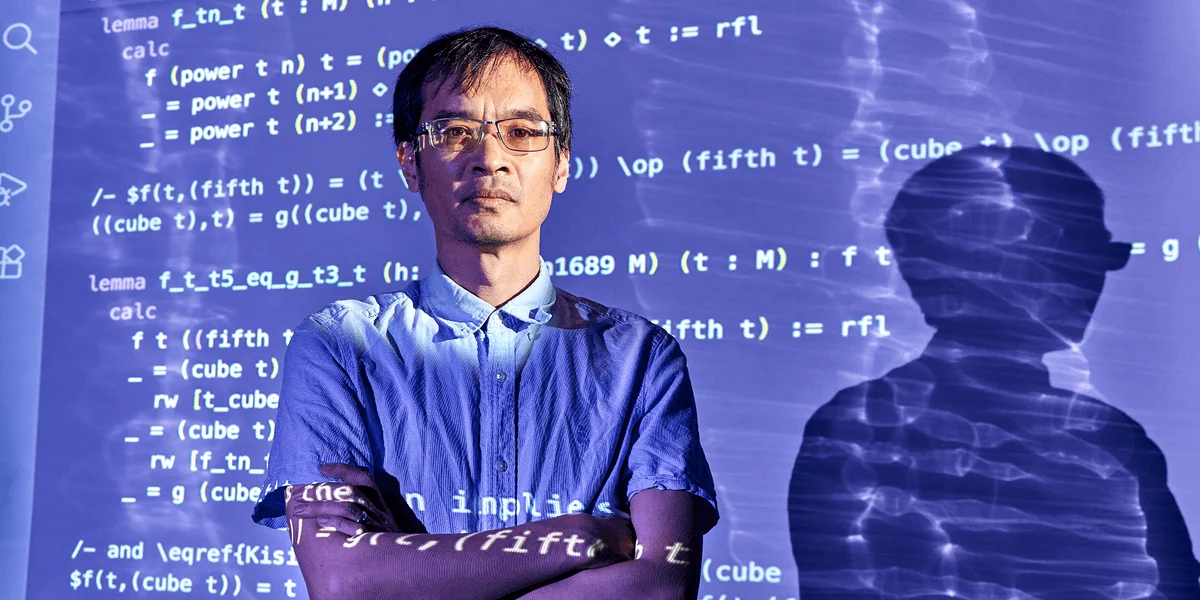
A new IEEE Spectrum essay argues the real disruption from AI in mathematics is not machines getting answers wrong. It is machines removing the slow, deliberative struggle that mathematicians long assumed was the point of the work.
The precedent it reaches for is the four-colour theorem, proved 50 years ago by a computer checking 1,936 cases in a way no human could fully verify. The field made its peace with that because humans still owned the parts that mattered: proposing the conjecture, choosing the strategy, and judging whether a proof actually convinced. Today's models are starting to encroach on all three at once, which is why the unease is less about correctness than about authorship.
If a proof nobody fully understands still counts as knowledge, mathematics has to decide whether its product is verified truth or human understanding. Those two things have quietly stopped being the same, and AI is the wedge driving them apart.