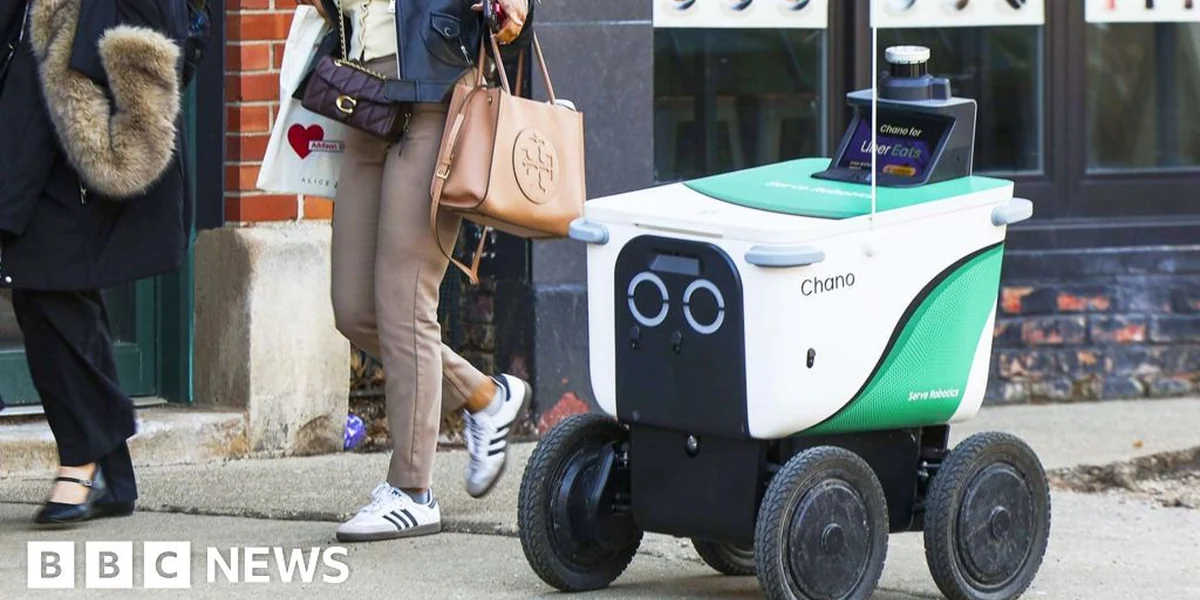
Autonomous delivery robots, the camera-and-GPS couriers now trundling along pavements in cities across the US, UK, Japan, South Korea and Germany, are running into organised resistance. In Chicago, resident John Roberts has launched a campaign to suspend them across the whole city until safety tests are done and clear rules are set.
The regulatory map is already fragmenting. Toronto has prohibited the robots from using sidewalks since 2021, San Francisco has limited them to less busy parts of the city, while South Korea and Japan have taken a deliberately liberal approach. The recurring complaint is mundane but telling: pedestrians say they are the ones forced to step aside on the single strip reserved for walking.
This is the first mass deployment of physical autonomous agents into shared public space, and the fight is less about the technology than about who yields to whom. Whatever rules cities settle on for a robot on a footpath will shape how every later class of autonomous machine earns its right of way.