Four months. That's all it took for Uber to burn through its 2026 AI budget. Claude Code rolled out to the engineering team in December 2025. By April, the bill had consumed the full annual allocation. Monthly API costs ran between $500 and $2,000 per engineer. Ninety-five percent of Uber's engineers now use AI tools monthly, and 70% of committed code comes from AI, according to Andre Savage at Briefs.
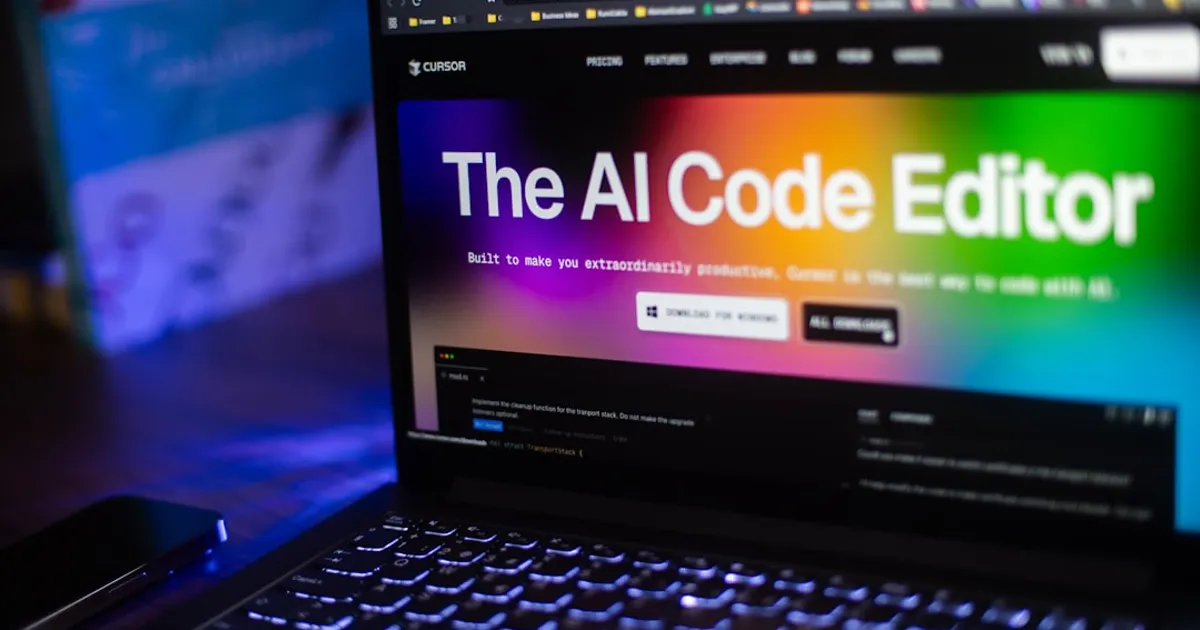
"Back to the drawing board." That's where Uber's CTO says the company is on budgeting. Claude Code became the dominant tool after usage doubled between December and February. Cursor, the other main competitor for adoption at Uber, has plateaued. Annual R&D spending sits at $3.4 billion. Coding tools now account for a meaningful chunk that leadership didn't expect to need this fast.
Consumption-based pricing blows up when adoption moves this fast. Every line of AI-generated code costs tokens. When 70% of your committed code comes from AI, those tokens add up to real money. Vendors like Anthropic and Microsoft are pushing flat-rate enterprise licensing because companies can't plan annual budgets around variable costs that scale with usage intensity. Uber's experience shows what happens when AI coding tools actually work: they become too useful to restrict and too expensive to run without a different pricing model.
AI coding agents like Claude Code have created a third software development paradigm: the Winchester Mystery House model. Code is now effectively free at 1,000+ lines per commit, but feedback and coordination costs haven't dropped. The result is idiosyncratic, sprawling tools that make sense only to their creators, while open source maintainers drown in agent-generated contributions.