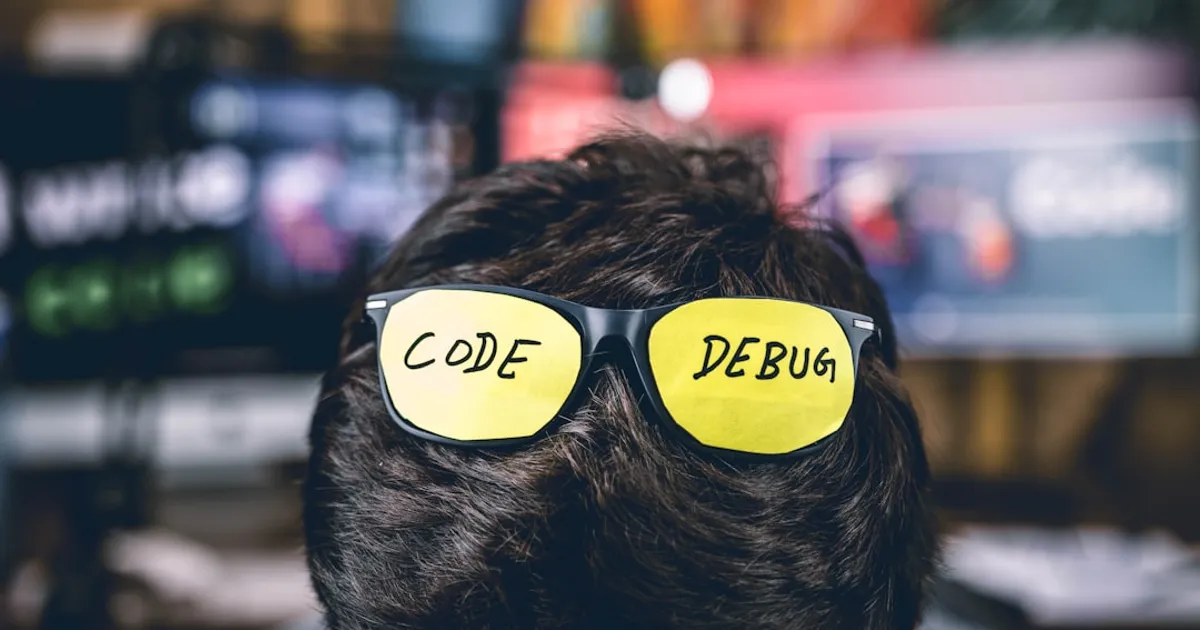
Developers using AI coding agents are hitting a wall. Pure cognitive exhaustion. In a candid blog post, developer Sid describes how agentic coding workflows have compressed the familiar rhythm of software development into something that feels more like supervising a hyperactive junior developer on speed. The code appears instantly. You review it. You make a call. Then more code appears. Repeat until your brain gives out, which happens around the four or five hour mark instead of the usual eight to ten.
Overseeing AI agents demands constant judgment, architectural decisions, and context switching. Traditional programming builds understanding through the act of writing. Agentic coding forces you to cold-start constantly, relying on generated output without the mental scaffolding you'd normally construct while implementing things yourself. Sid compares it to slot machine mechanics, variable rewards followed by crashes. The LLMs generate far more code than any human can properly debug. You sign off on raw output just to keep up, giving up operational control while never fully trusting the system to run unsupervised.
The community response reveals this isn't isolated. Commenters describe agentic coding as "digital crack" that trades mental engagement for raw productivity. Some developers have started throttling their workflows intentionally, using slower local models to create natural processing lag that forces breathing room into the review cycle. AI tool companies like Cursor and Replit are aware of the friction. Their response has been to push toward transparency features like diff views and reasoning chains, treating the burnout as a design problem solvable through better interfaces rather than less automation. But Sid raises an uncomfortable question about verification loops: if you don't trust the code an LLM generates, can you trust a verification system the same LLM builds?