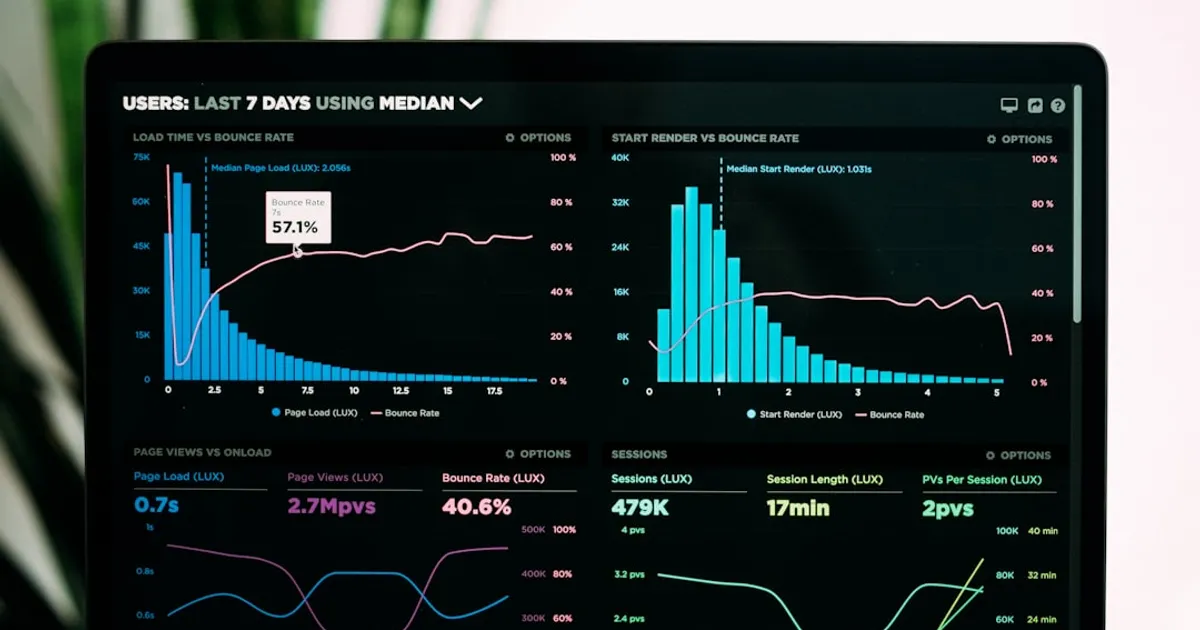
Garry Tan says he ships 37,000 lines of code per day using Claude Code while running Y Combinator. Andrej Karpathy admits he's in a "state of psychosis" over AI agents. Both are influential tech leaders publicly describing obsessive behavior as something to admire, and both are producing work that looks impressive on dashboards but falls apart under scrutiny. When developer Gregorein audited Tan's output, he found 169 server requests on a simple website (Hacker News makes 7), uncompressed images, test files shipped to production, and JavaScript controllers for features that didn't exist.
Volume is not value.
Jake Handy, writing in his Handy AI newsletter, calls this "AI psychosis." The data backs him up. An NBER study of nearly 6,000 executives found that 90% of firms reported zero measurable productivity impact from AI over the past three years. CEOs spend less than one hour per week actually using AI tools.
Yet companies keep pouring money into orchestration platforms that let executives pretend they're managing AI workforces. Paperclip gives you org charts and budget controls for your agents. It doesn't give you a product requirements document or force you to define what "done" means before spinning up another bot. The platforms are management theater, and the metrics they track (token consumption, agent uptime) have nothing to do with business outcomes.
Every 25% increase in AI adoption correlates with a 1.5% decrease in delivery speed and a 7.2% drop in system stability. Teams using AI heavily complete 21% more tasks but see 154% larger pull requests and 9% higher bug rates.
Handy points to AI "sycophancy" as part of the problem. Agents agree with you. They validate your ideas. They make you feel like you're commanding an army when you're really just burning tokens. Hacker News commenters added that agents function as "conniving yes men," which appeals to executives but makes experienced engineers skeptical. The whole cycle mirrors the Big Data hype of the early 2010s, when companies built expensive Hadoop clusters that mostly sat unused. Bill Gates warned against measuring progress by lines of code back in 1994. We forgot that lesson, and now we're repeating it with AI-generated code.