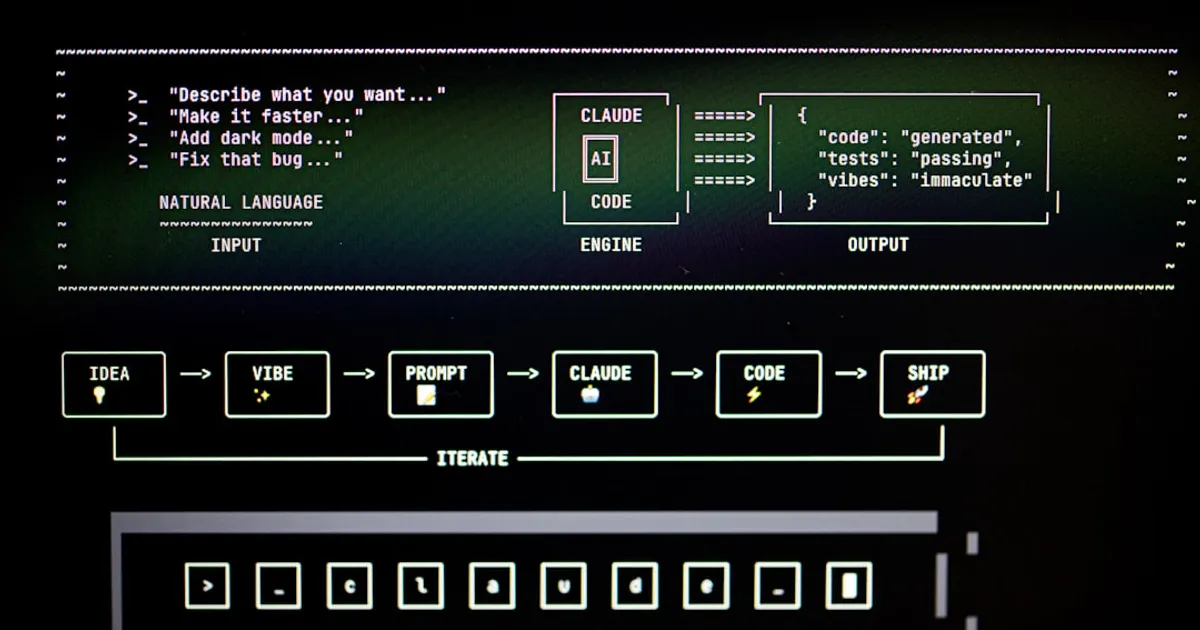
Jeff Schomay built something useful for game developers: an AI agent that play-tests games automatically. His system uses a text-based renderer to convert game graphics into text format, making the game state easier for the AI to parse and act on. The approach skips computer vision entirely, opting for structured text representations that require less processing power and give the agent a cleaner view of what's happening.
The text-based rendering caught attention on Hacker News, where commenters drew parallels to classic roguelike games like Larn running on VT100 terminals in the early 1980s. There's an odd charm to modern AI agents interacting with games through what looks like a retro terminal interface. That comparison isn't just nostalgia either. Text-based interfaces solved the same problem decades ago: how do you represent complex game states clearly? Turns out that approach works pretty well for AI agents too.
The trade-off is real though. Text rendering won't catch visual bugs or aesthetic problems that computer vision might spot. Schomay acknowledges this limitation. But for testing game logic and finding edge cases in gameplay mechanics, the text approach gets the job done. Developers get automated play-testing without the overhead of training vision models or dealing with the noise of pixel data. Sometimes the old ways work.