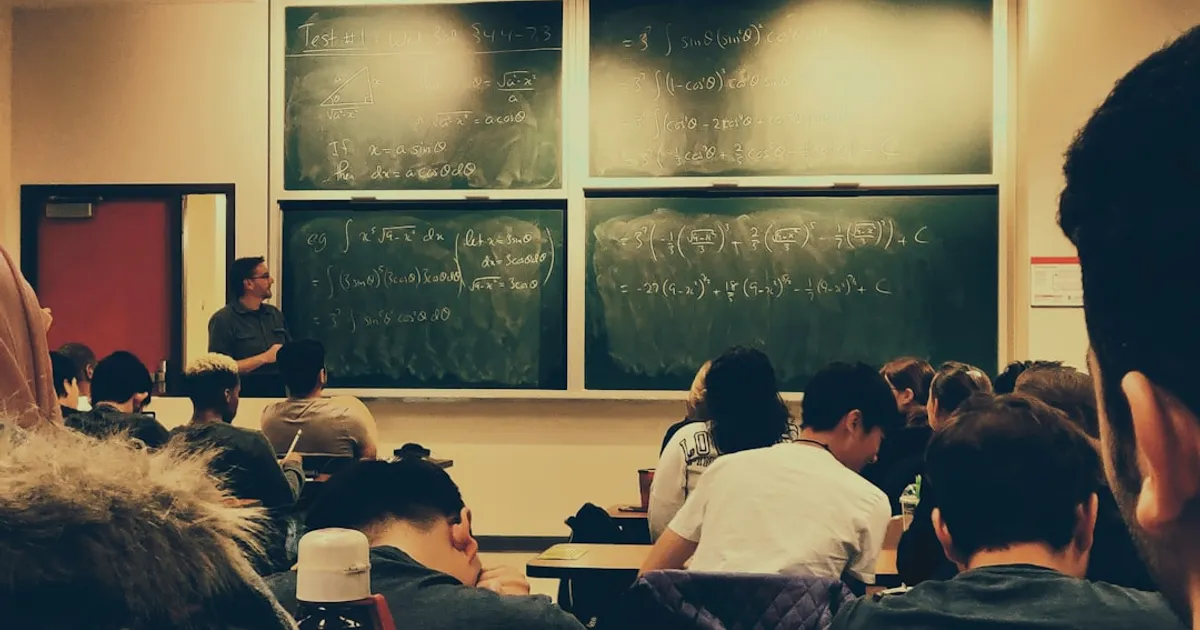
Tom Kaspers noticed something off in his University of Chicago philosophy classes. The students who showed up to office hours, who actually talked in class, who clearly gave a damn, weren't writing the best essays anymore.
Other students had figured out they could log onto ChatGPT and generate college-level philosophy papers in seconds. The essay, long considered the gold standard for philosophical understanding, had become unreliable.
Kaspers didn't want to resort to handwritten timed exams. Philosophy takes time. You need to research, draft, refine. Stripping that away would, as he puts it, "greatly impoverish" the assignment. And AI detection tools? Useless. Something had to give.
So he asked his 20 students if they'd write an essay together. With him.
He'd basically take ChatGPT's place, acting as a co-writer who could help develop ideas and shape writing in real time. Students would need to show up every class, defend their contributions, collaborate on revisions. Using AI was still possible but inconvenient enough that it wasn't worth the hassle.
The result: a 10,000-word essay on artificial intelligence. Students reported working harder than in previous quarters. More than two-thirds said they'd choose this format again. One noted that writing individual essays had felt like "pretending to be philosophers for a grade." This time, they were doing real philosophy. They're now submitting the essay to a journal. Their self-described "Philosopher King" got ousted in the process.