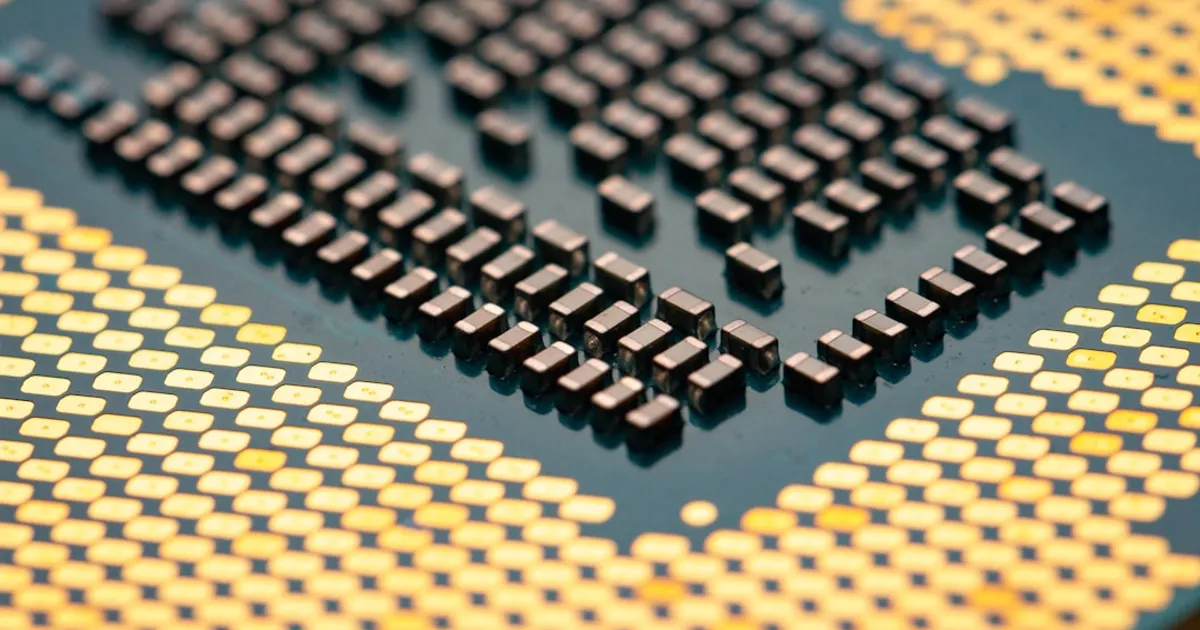
Intel's non-Ultra Core processors have been stuck on recycled silicon for years. Wildcat Lake changes that. The new Core Series 3 chips use Intel's 18A manufacturing process, the same advanced node powering the flagship Panther Lake lineup. Andrew Cunningham at Ars Technica puts it well: this is a return to when high-end and midrange Intel chips shared many of the same underlying advancements, performance differences aside.
The specs tell a straightforward story. Wildcat Lake packs up to two Cougar Cove P-cores and four Darkmont E-cores, plus Xe3 GPU cores and an NPU rated at 17 TOPS. The chips run at 15W base power with 35W boost. Intel claims up to 18 hours of Netflix streaming on a 59Wh battery. Decent efficiency gains from the new node, even if raw performance won't set records.
The NPU falls well short of Microsoft's 40 TOPS threshold for Copilot+ PC certification. These systems won't run Windows Recall, Click to Do, or other on-device AI features Microsoft reserves for that branding. Cunningham notes that most of these features aren't essential anyway. But if you wanted them, you're out of luck with Core Series 3.
What's interesting is the economics. Intel is putting its most advanced manufacturing process into budget chips. Companies usually reserve new process nodes for high-margin flagships to recoup R&D costs. By spreading 18A across more products, Intel amortizes those massive capital expenditures faster. It also proves the process works at scale, which matters if Intel wants foundry clients to take its IDM 2.0 strategy seriously.