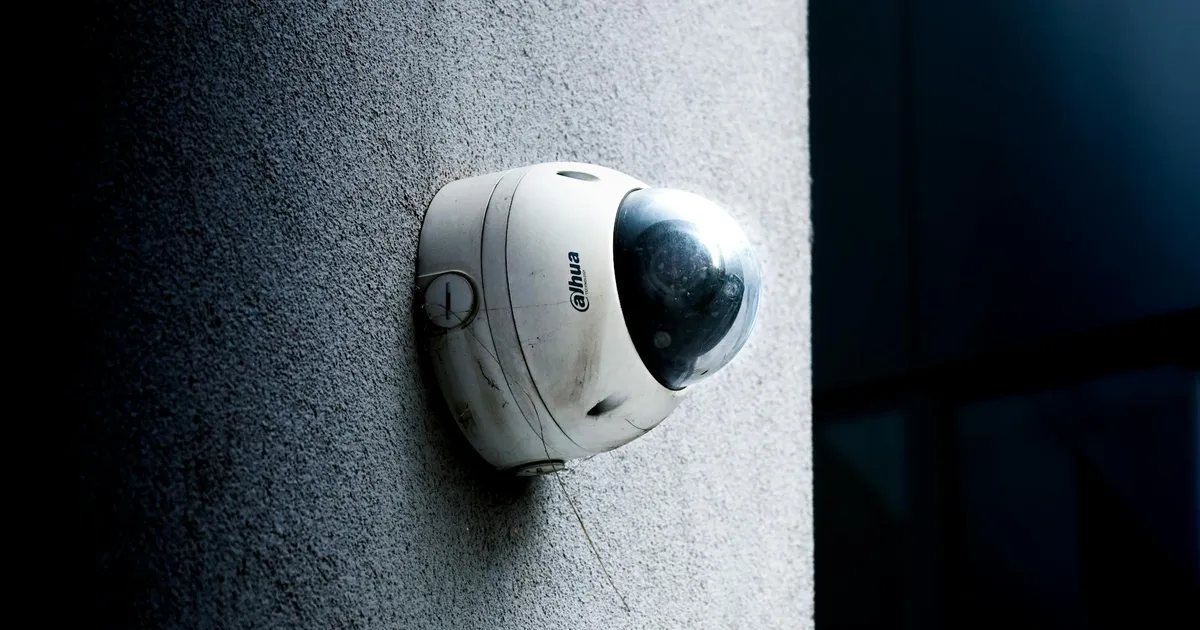
When a Chico Unified School District board member asked Verkada's senior sales executive Mike Schembri point-blank whether their cameras would "brick" if the district stopped paying, Schembri had a choice. Tell the truth and risk a $2 million deal. Or fudge it. He chose the latter, telling the board the cameras would still work as "RTSP dumb cameras" that could send streams to another video management system. That wasn't true. IPVM tested it. When a Verkada license lapses, the cameras lock out completely. The RTSP addresses are controlled by Verkada's cloud, which they can revoke at any time.
And this wasn't one salesperson going rogue. IPVM has documented that Verkada salespeople have been "long told" by the company's sales and engineering teams to tell customers cameras could work as "RTSP dumb cameras" on other systems without a subscription. When a Verkada dealer discovered this wasn't true, he called it "extremely troubling." IPVM asked Verkada directly and repeatedly in 2025 whether RTSP is available without a license. Verkada never gave a straight answer. They still haven't.
This is by design. Verkada's own chairman, Hans Robertson, was caught on a recording years ago describing exactly how it works: "You might have bought a 1-year license but you like literally bolted the hardware to your ceiling so like you are not taking it down." You buy the cameras. Then Verkada holds them through software lockout. The company calls it "lockout" internally. Critics call it "hostage as a service".
Schools are Verkada's largest market. Public institutions with tight budgets and long procurement cycles are exactly where lock-in extracts the most value. Chico's 10-year contract just started. The sales team that closed it will be long gone when renewal negotiations begin. The hardware bolted to ceilings across the district will still be there. Future administrators will negotiate with no bargaining power.