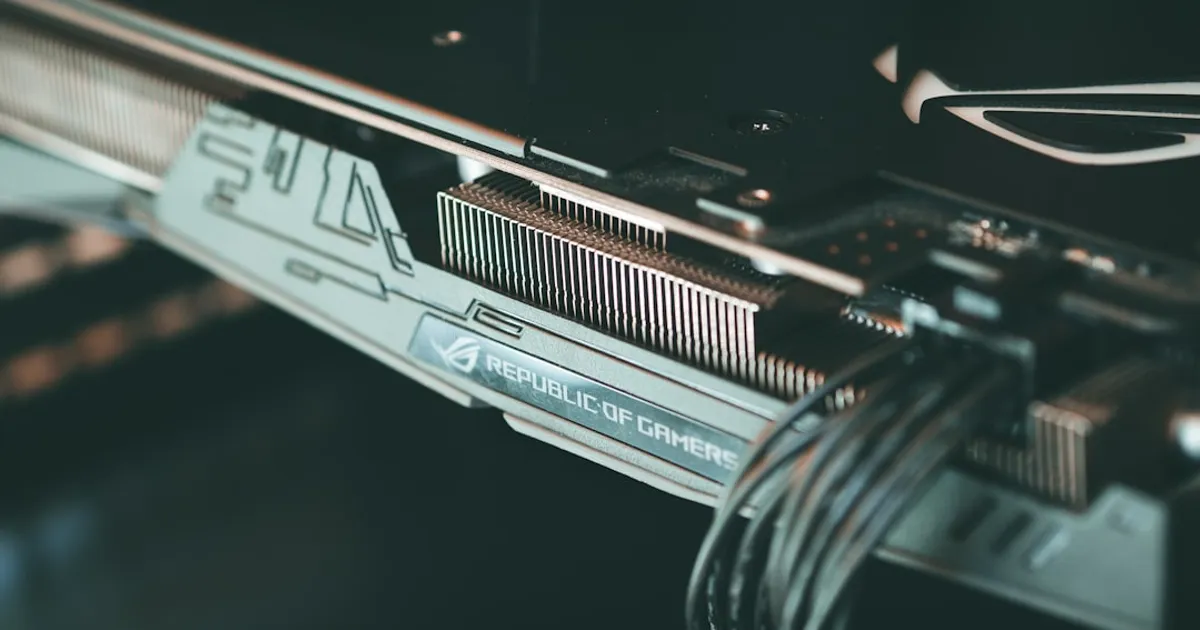
D-Wave CEO Alan Baratz says Nvidia should be "shaking in their boots" over quantum computing's threat to AI GPUs. His argument: D-Wave's quantum systems run on roughly 10 kilowatts, a fraction of what GPU clusters burn through. Bold talk from a company that just reported $2.75 million in Q4 2025 revenue. That's up 19% year over year, but it still missed analyst expectations. Nvidia makes more than that every few minutes.
To back up the rhetoric, D-Wave acquired Quantum Circuits for $550 million. The deal combines two different quantum approaches under one roof. D-Wave built its business on quantum annealing using flux qubits to solve optimization problems. Quantum Circuits brings gate-based transmon qubits and bosonic error correction codes called "cat qubits," developed by co-founder Rob Schoelkopf at Yale. The combined stack could handle both optimization tasks and the precise logical operations generative AI demands. D-Wave also signed a $20 million agreement with Florida Atlantic University to expand its reach.
The skepticism is warranted though. Quantum computing companies have promised revolutions for years, and most of the work stays locked in R&D labs. Hacker News commenters noted that Nvidia GPUs offer something quantum still can't: real usability and cost-effectiveness right now. Others pointed out that Nvidia's cash reserves mean they could simply acquire any quantum startup that solves the hard problems first. Nvidia isn't ignoring quantum either. The company released "Ising," an open-source suite of quantum AI models for error correction.
Analysts at Wedbush and Canaccord Genuity remain cautiously optimistic about D-Wave's long-term position. But $2.75 million in quarterly revenue against a $550 million acquisition is a massive gamble. The quantum-versus-GPU fight matters, and D-Wave is making a real technical bet by merging annealing with gate-based computing. It's just playing out on a much longer timeline than Baratz's fighting words suggest.