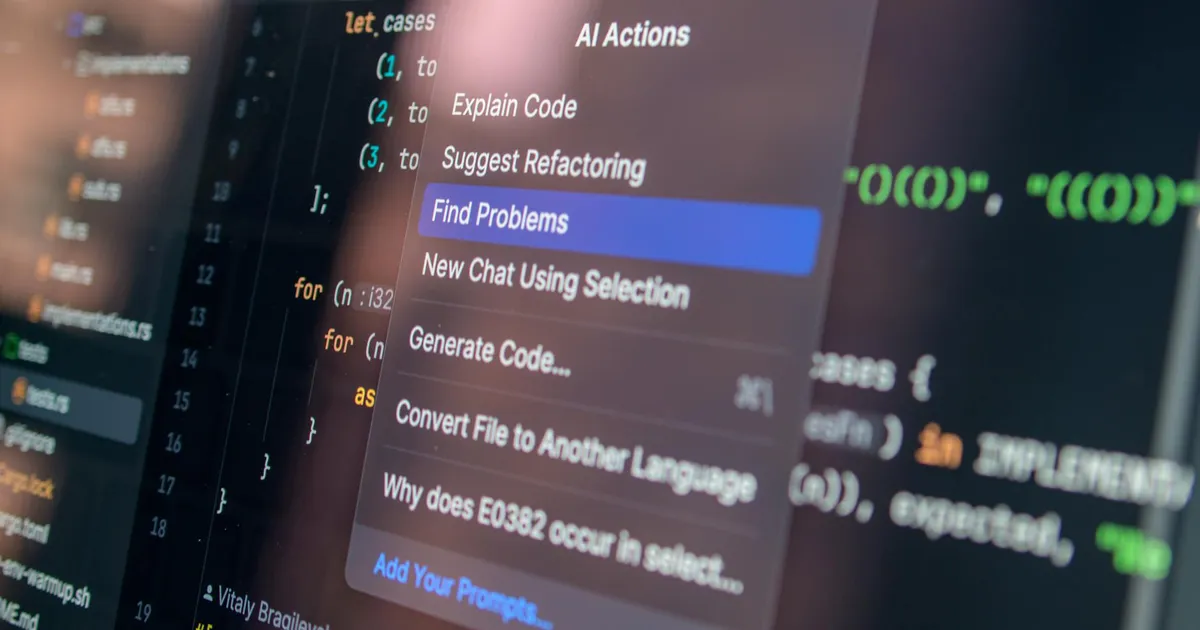
A financial services firm adopted Cursor and watched its monthly code production explode from 25,000 lines to 250,000. The result wasn't celebration. It was a backlog of one million lines of code waiting for review. Joni Klippert, CEO of security startup StackHawk, says the sheer volume of code and the vulnerabilities hiding inside it has become unmanageable for human teams.
Google's latest survey found 90% of developers now use AI tools. Michele Catasta at Replit puts it plainly: "Now everyone inside your company becomes a coder." Non-engineers can spin up prototypes in hours. But the floodgates have also opened on quality problems. Open source maintainers are burning out trying to filter AI-generated pull requests. GitHub reported a 400% jump in AI contributions during 2025. The Python Software Foundation documented a 60% spike in maintainer burnout, with 78% of respondents blaming AI-generated submissions for their stress.
And then there are the job cuts. Pinterest, Block, and Atlassian have all slashed thousands of positions, pointing to AI-driven efficiencies. Meta CTO Andrew Bosworth told employees that projects which once required hundreds of engineers now need tens. Work that took months wraps in days. He called it a shift with real consequences for how organizations like Meta should work. The productivity gains are real. So is the displacement.