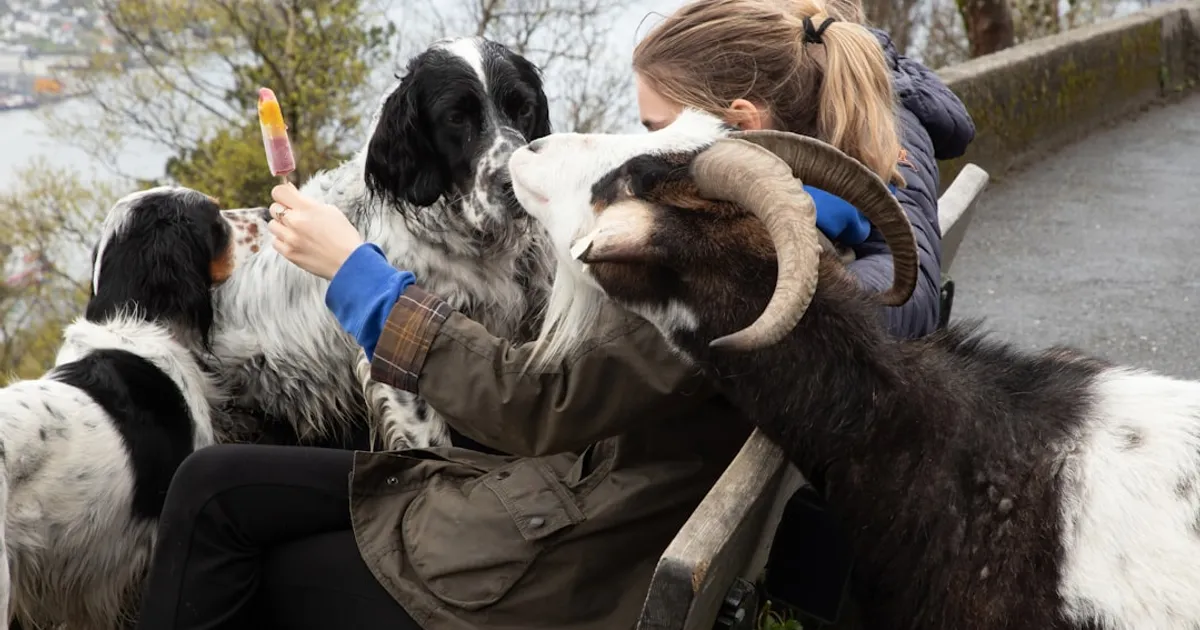
Sydney-based data scientist Paul Conyngham used ChatGPT and DeepMind's AlphaFold to design a personalized mRNA cancer vaccine for his rescue dog Rosie after she was diagnosed with advanced mast cell cancer. With no formal biology background, Conyngham paid approximately $3,000 to sequence Rosie's tumor DNA at UNSW's Ramaciotti Centre for Genomics, then used ChatGPT to work through the underlying biology and AlphaFold to model the mutated c-KIT driver protein specific to her cancer. He then collaborated with UNSW RNA Institute director Páll Thordarson and genomics director Martin Smith to synthesize and administer the vaccine. Within roughly two months of the first injection, Rosie's tumors had shrunk by approximately 75%, prompting Thordarson to describe the outcome as evidence of AI "democratizing the whole process."
The case sits in sharp contrast with institutionally-run personalized mRNA cancer vaccine programs. Moderna and Merck have invested over $450 million in their joint mRNA-4157/V940 (intismeran autogene) program since 2016, only beginning Phase 3 enrollment in 2024 with over 1,000 patients across 25 countries. BioNTech's parallel efforts have hit turbulence — its BNT111 melanoma vaccine was discontinued in October 2025 following underwhelming Phase 2 data, and its BNT122 colorectal cancer trial crossed a futility boundary at interim analysis. Per-patient manufacturing costs for institutional programs run between $100,000 and $300,000. Conyngham completed a functional proof-of-concept in under three months at a fraction of that cost, though the veterinary context let him sidestep the human clinical trial regulations that govern institutional research.
Thordarson described the neoantigen identification and protein modeling work — tasks that once demanded specialist teams and institutional infrastructure — as something Conyngham accomplished in weeks using freely available tools. The veterinary setting was a factor: animal trials in Australia face lighter regulatory scrutiny than human clinical programs, which gave Conyngham latitude that hospital researchers would not have. Rosie's case is a single data point, and researchers say rigorous follow-up studies would be needed before drawing broader conclusions. But Thordarson said it showed the knowledge side of personalized cancer vaccine design has shifted — the bottleneck is now manufacturing, regulatory approval, and clinical validation, not identifying what molecule to target.