A Medium piece by mdwdotla revisits a long-running debate in software engineering: whether Rust's productivity costs are worth its well-documented benefits in memory safety and performance. The author's argument is that capable agentic coding tools have materially changed that calculation.
Historically, Rust's borrow checker, lifetime annotations, and verbose type system imposed enough cognitive overhead to make it impractical for smaller teams without dedicated systems programming expertise. LLMs trained on large volumes of Rust code can now explain ownership errors inline, generate idiomatic Rust, and suggest borrow checker fixes in real time — functioning as an always-available expert pair programmer.
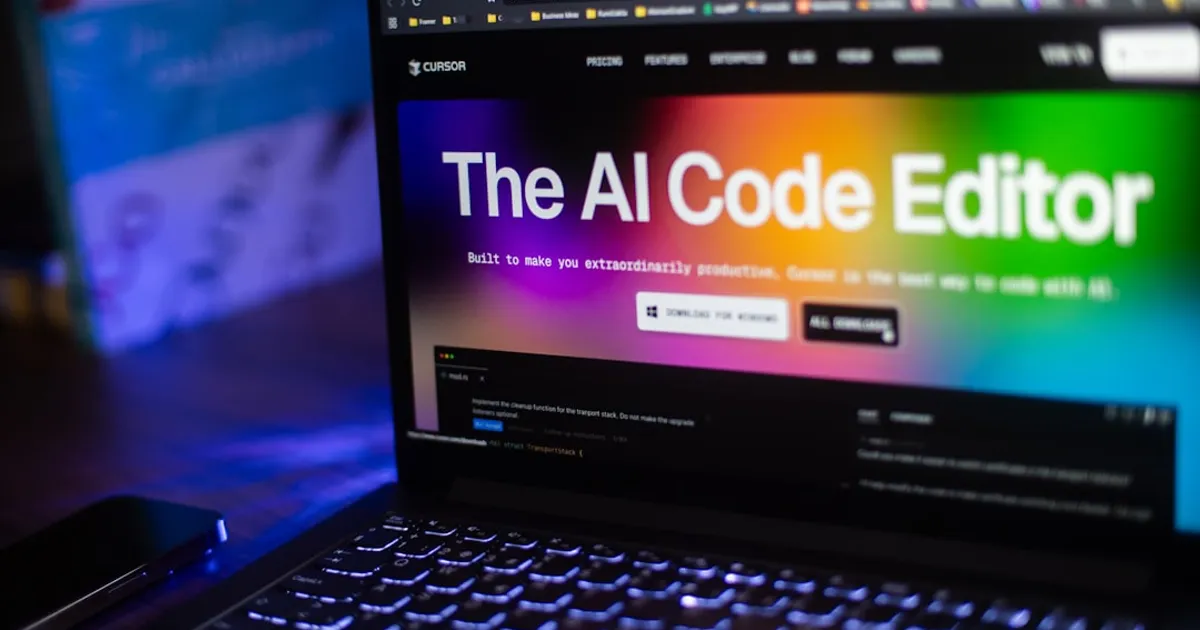
The piece situates this in 2026's agentic tooling landscape, where tools like Cursor and Claude Code have moved well beyond autocomplete into systems that can autonomously iterate on code, run tests, and resolve failures across multi-step loops. The author argues this matters most for engineering teams that previously settled on Go or C++ as a practical middle ground. For writing safe concurrent code, building CLI tooling, or authoring WebAssembly modules, Rust's guarantees become accessible at much lower human cost when the agent handles the low-level ceremony.
The piece's broader implication is that coding agents are unlocking adoption of technologies that once required years of specialized expertise to use productively. The author points to Haskell and formal verification tools as candidates for the same dynamic. If the pattern holds, the systems and infrastructure software written by generalist teams in five years may look meaningfully different from what those same teams would have shipped without AI assistance.