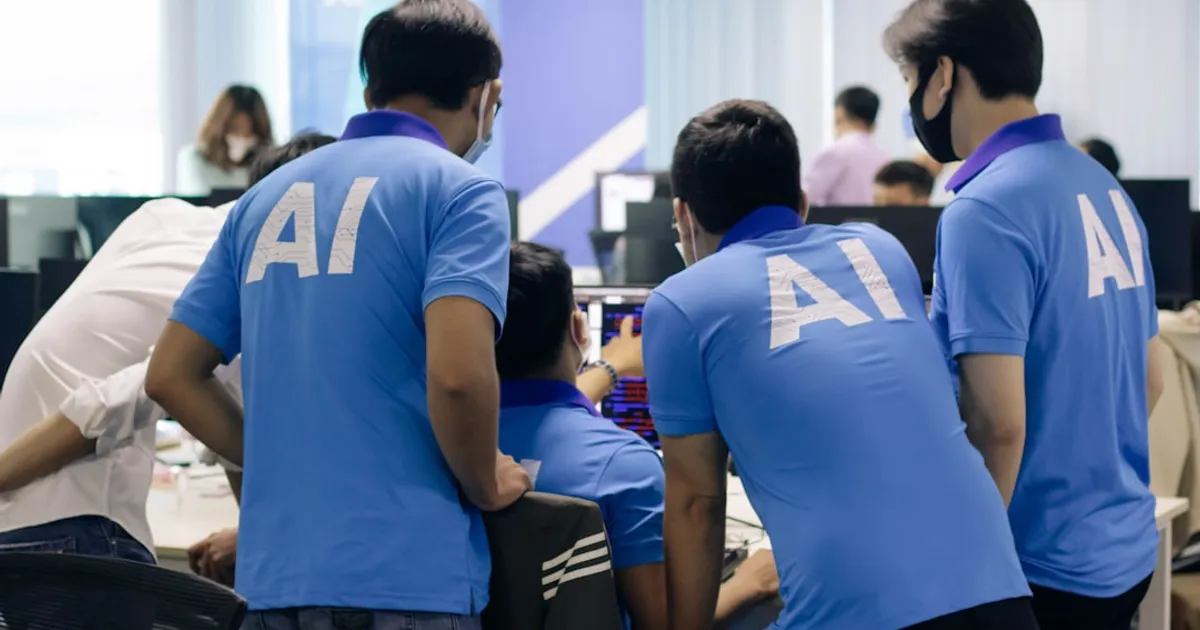
Software engineering isn't dying. Magdalena Balazinska, director of the University of Washington's computer science program, sent that message to 2,000 spooked undergrads last week. She's got numbers to back it. Job listings for software engineers on Indeed are up 11% year over year, according to Citadel Securities. The Bureau of Labor Statistics projects 15% growth in developer roles by 2034.
AI tools like Claude and Codex can pump out code faster than humans. But companies are responding by shipping more software, not firing engineers.
The transition is ugly though. Marc Benioff froze engineering hiring at Salesforce. The market is splitting in two. Tech giants are holding headcounts steady while smaller companies, suddenly able to compete with lean AI-augmented teams, are hiring aggressively. IBM is tripling entry-level hiring in the US. Intuit CTO Alex Balazs says his company is recruiting early-career developers who grew up using AI and may understand it better than mid-career engineers.
The job itself is shifting from writing code to managing machines that write code. CoderPad CEO Amanda Richardson says the best engineers now spend their days alongside AI, focused on system design and architecture. IBM's Neel Sundaresan says his developers have moved from routine coding to working directly with customers and specifying features that AI agents then build.
The cost savings are real. But the new bottleneck is finding people who can orchestrate autonomous agents and catch their mistakes. That's a different skill than writing a for loop, and right now there aren't enough people who have it.