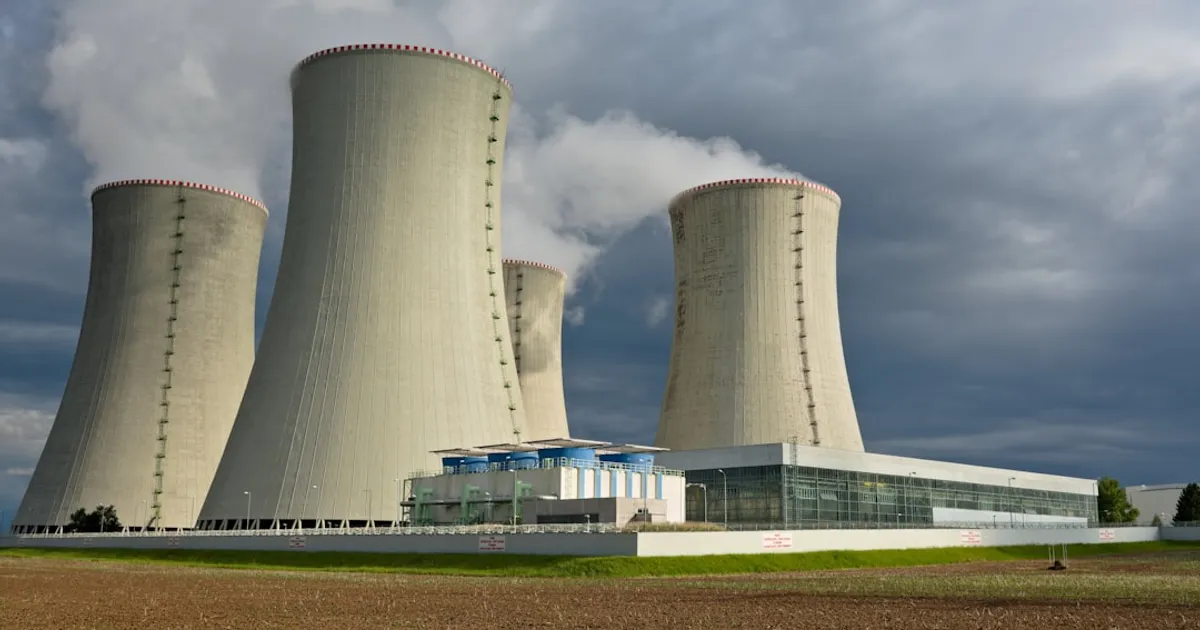
The U.S. Energy Information Administration says electricity consumption will hit record highs in 2026 and 2027. The culprit? Data centers running AI workloads, crypto mining operations, and the steady shift toward electric heating and vehicles. It's the clearest signal yet that the AI boom has a physical footprint.
Big tech isn't waiting around. Microsoft signed a 20-year deal with Constellation Energy to restart the Three Mile Island Unit 1 nuclear plant for 835 megawatts starting in 2028. Amazon bought a data center campus connected to Pennsylvania's Susquehanna nuclear station and dropped $500 million into X-Energy for small modular reactor development. Tech giants are racing to secure nuclear power to keep their AI infrastructure running around the clock. Google partnered with Kairos Power to bring 500 megawatts of clean power online by 2035. Meta is soliciting proposals for nuclear reactors to add 1 to 4 gigawatts of capacity. These companies need reliable, carbon-free baseload power to keep their AI infrastructure running around the clock.
Not everyone's sold on the projections. Community responses to the EIA report point out that many planned data center projects are currently on hold. Some ask a fair question: what exactly counts as the "AI portion" of electricity demand? The line between traditional cloud computing and AI workloads gets blurry fast.
The tension here is simple. Nuclear deals take years to come online. The AI workloads driving this surge are already scaling. Whoever solves the power bottleneck first gains a real advantage in the agent wars.