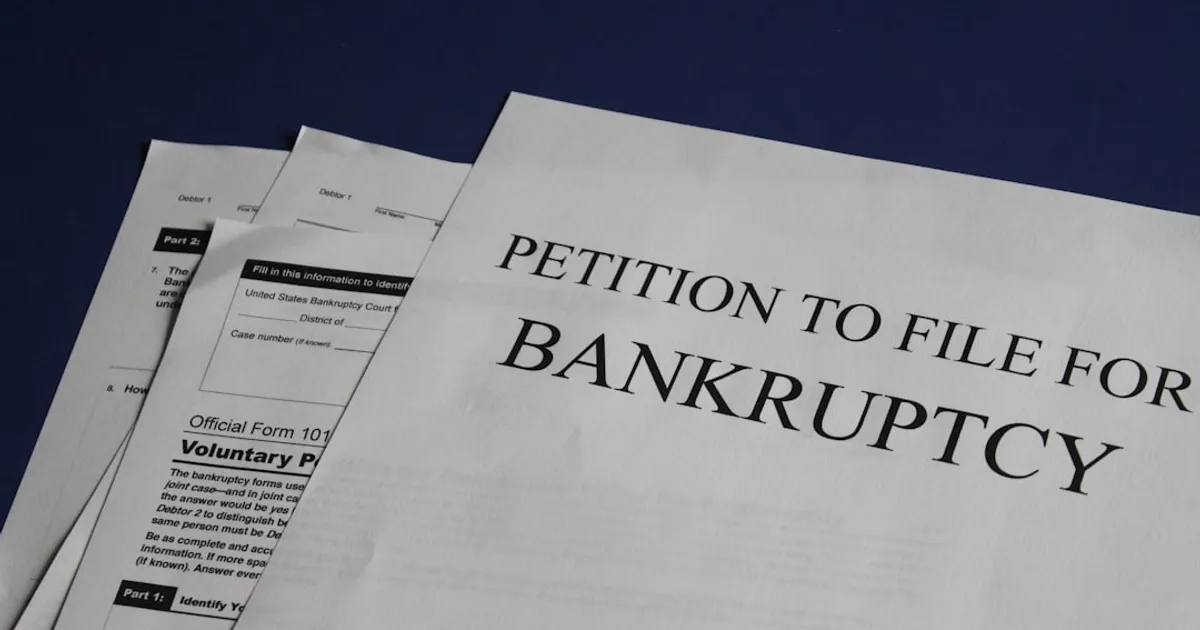
When startups die, their assets get sold off. That's normal. What's new is what counts as an asset. AI companies are now buying Slack archives from failed startups to train their models, according to reporting by Anna Tong at Forbes. We're talking about private workplace chatter here, the kind of casual back-and-forth people assumed would stay internal.
Bankruptcy trustees are selling these communication logs under Section 363 of the U.S. Bankruptcy Code, which lets them liquidate "all property of the estate." Courts have been interpreting that broadly enough to include digital assets like Slack histories. The original company's Terms of Service probably gave them wide usage rights, but transferring that data to a completely different entity for AI training runs straight into privacy laws like the California Consumer Privacy Act and the EU's General Data Protection Regulation. Both frameworks generally prohibit selling or transferring personal data outside the original context without getting fresh consent from the people involved.
There's another problem lurking in those unfiltered archives too. Attorney-client privilege. If bankruptcy estates don't redact privileged communications before selling, both they and the acquiring AI companies could face legal sanctions.
Some people in the AI community aren't convinced this data will be useful anyway. One commenter on the original discussion thread called it "slop in, slop out," arguing that unstructured workplace chat logs might actually hurt model performance rather than help it. But that skepticism misses the bigger picture. AI companies are hungry for training material, and the public internet has been scraped dry. Now they're moving into private conversations that people never agreed to share with anyone outside their company.